
America is in the middle of the biggest property tax revolt in 50 years
America is in the middle of the biggest property tax revolt in 50 years
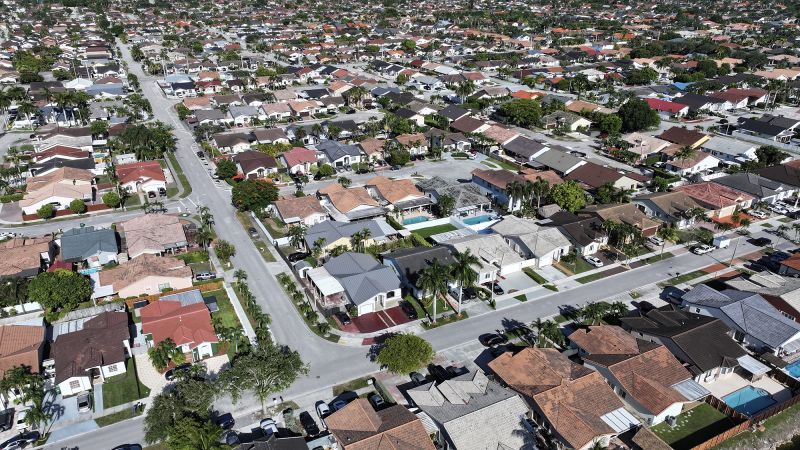
America is in the middle – Across the U.S., a wave of discontent is sweeping through local governments as residents demand relief from rising property taxes. Florida, often seen as a microcosm of this trend, stands at the heart of the movement, with a ballot amendment poised to reshape the state’s fiscal landscape. The proposal, which aims to exempt 60% of residents from property tax rolls, could have far-reaching consequences, threatening the stability of municipal budgets and forcing towns like Oviedo to rethink their reliance on this critical revenue source.
Oviedo’s Struggle with Rising Costs and Uncertain Funding
Near Orlando, the suburban city of Oviedo has long grappled with the challenge of modernizing its aging infrastructure. For over a decade, the city has sought to build a new police station to accommodate its expanding workforce, but the project has been stalled by financial uncertainty. The current station, constructed over 36 years ago, is in disrepair, with leaking windows and limited space for its growing force. A $18 million plan for a state-of-the-art facility with training rooms and K-9 dog areas has been finalized, yet the city’s future remains unclear.
Oviedo Mayor Megan Sladek, speaking to CNN during a phone interview, highlighted the dilemma. “If we can’t guarantee funding for a basic police department, what sense does it make to invest in a new station?” Her concerns reflect a broader trend: the potential for the ballot amendment to strip the city of its tax base, forcing it to outsource policing to Seminole County. This shift could mean significant cuts to public services, including parks and fire departments, which are also funded by property taxes. The city’s financial outlook hinges on whether voters will approve the measure, which would reduce the tax burden for a majority of residents but strain local budgets.
“People should not be permanent renters to the government,” said Hector Roos, chair of the Libertarian Party of Miami-Dade County. He views the amendment as a pivotal step toward dismantling property taxes altogether, arguing that it would address cost-of-living pressures and return control to taxpayers.
A Nationwide Shift in Tax Policy
The property tax revolt in Florida is part of a larger national movement that has gained momentum since the early 2020s. Over the past five years, 34 states have introduced property tax reforms, with Ohio, Indiana, and Wyoming recently passing measures to reduce the tax burden. Texas Governor Greg Abbott has even proposed eliminating school property taxes for homeowners, using the state’s budget surplus to cover the shortfall. These changes reflect a growing divide among fiscal conservatives, as some groups now prioritize tax exemptions for seniors, tipped workers, and the working poor over traditional reliance on property taxes.
Jared Walczak, a senior fellow at the Tax Foundation, described the trend as a “new property tax revolt,” emphasizing its populist appeal. “It’s a shift from the old model where property taxes were seen as a local necessity,” he said. “Now, the focus is on fairness and reducing the financial weight on everyday families.” This movement is fueled by the rapid rise in real-estate values, which have outpaced inflation by nearly 27% since 2020. For homeowners, the increased tax bills have become a symbol of systemic strain, prompting calls for reform across the political spectrum.
Florida’s Legislative Response and Fiscal Trade-offs
Florida’s legislature recently approved a ballot initiative that would significantly expand the homestead tax exemption, shielding primary residences from property taxes. The exemption would increase from $50,000 to $250,000 by 2028, rising in line with inflation thereafter. This move also reduces the annual assessment cap for non-residential properties from 10% to 5%, which could lead to higher taxes on commercial and rental properties. While the amendment targets the most vulnerable taxpayers, it leaves public schools vulnerable to funding cuts, as their reliance on property taxes remains unchanged.
Florida Gov. Ron DeSantis initially aimed to abolish all property taxes, but lawmakers opted for a narrower approach. This compromise has sparked debate among local officials and residents. Sladek, for instance, warned of the ripple effects, including potential service reductions or the need to shift taxes onto renters and businesses. “It would just be this crazy domino effect of messed up, unintended consequences,” she said. The Florida Association of Counties estimates that if the amendment passes, local governments could lose $3.6 billion in 2027 and $6.4 billion in 2028, forcing difficult decisions about resource allocation.
“We’re experiencing a new property tax revolt,” said Walczak. “The populist right has led the charge, breaking with traditional fiscal conservatives who once supported property taxes for their local ties.” This ideological shift underscores the growing demand for tax relief, even as it challenges the foundation of municipal funding.
Implications for Local Governments and the Broader Economy
Property taxes have historically been a cornerstone of local revenue, providing stable income for essential services. However, their role is now under scrutiny as real-estate values surge and residents push for more equitable systems. The homestead exemption, while offering immediate relief, may not fully address the systemic issues, as some communities face the prospect of increased taxes on second homes and commercial properties.
For Oviedo, the outcome of the November vote could determine whether it retains its police department or hands over responsibilities to Seminole County. If the amendment passes, the city may need to cut costs or consolidate services, creating a precedent for other municipalities. “This isn’t just about Oviedo,” Sladek noted. “It’s about the entire structure of local governance and how we fund public services.” The debate extends beyond Florida, as similar measures could inspire changes in other states, particularly in regions with high property values and growing population pressures.
Experts warn that the amendment’s success could trigger a cascade of adjustments. While some areas may adopt new tax strategies, others might struggle to maintain services without a reliable revenue stream. The Tax Foundation highlights the tension between state and local authorities, as Florida’s new policy could redefine the balance of power in funding decisions. “This is a radical departure from the status quo,” Walczak said. “It’s a bold move that could reshape how taxes are collected and spent across the country.”
As the November vote approaches, the question remains: will Florida’s residents support this shift toward a more progressive tax system, or will the amendment lead to a new era of fiscal instability? For Oviedo, the answer could mean the difference between preserving its police department and outsourcing it to a larger county. The city’s experience serves as a case study for the broader impact of property tax reforms, illustrating both the promise and the peril of this growing movement. With property tax rates climbing by over 40% in three years, the need for change has never been more urgent, and the outcomes of this ballot initiative will likely influence the national conversation on taxation for years to come.
