
The Fed leaves interest rates unchanged in Kevin Warsh’s first meeting as chair
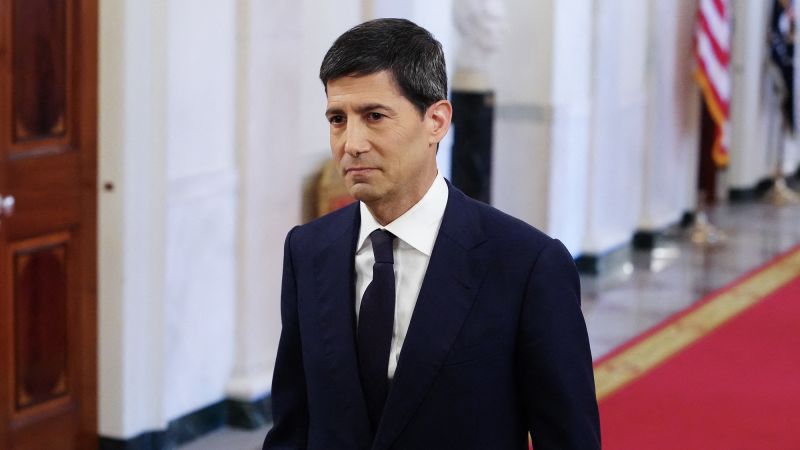
The Fed Maintains Rate Stability Amid Inflation Concerns in War-Related Context
The Fed leaves interest rates unchanged – On June 17, 2026, the Federal Reserve announced its decision to keep interest rates unchanged for the fourth time in a row, marking the debut of new Chair Kevin Warsh in a critical economic policy session. The decision came as officials grappled with rising inflation, which has been influenced by the ongoing conflict with Iran. This move underscores the central bank’s cautious approach in navigating the complex interplay between global tensions and domestic economic stability.
Warsh’s Leadership and Policy Continuity
Kevin Warsh, who assumed the role of Federal Reserve Chair earlier that month, led the meeting with a focus on maintaining the current rate range. The benchmark lending rate, which had remained steady at 3.5% to 3.75% since the last adjustment, was reaffirmed by the policymakers. Warsh’s leadership has been characterized by a blend of traditional monetary strategies and forward-looking analysis, as evidenced by the decision to hold rates stable despite the recent uptick in inflation.
While the rate decision itself signals a pause in tightening monetary policy, it also reflects a broader assessment of economic conditions. Fed officials noted that inflationary pressures, though present, are not yet widespread enough to warrant immediate action. “The current trajectory suggests that inflationary trends may remain contained, particularly in sectors not directly affected by energy costs,” stated one anonymous official during the post-meeting briefing, highlighting the central bank’s careful calibration of its response.
Global Factors and Domestic Dynamics
The war with Iran has emerged as a key driver of inflation, with rising oil prices and supply chain disruptions contributing to higher costs across industries. However, the Fed’s decision to avoid raising rates indicates a belief that these global shocks are temporary. “While energy-related price pressures have persisted, we are monitoring whether they will lead to broader inflationary effects,” explained another policymaker, emphasizing the need for data-driven decisions.
Warsh’s team has also considered domestic economic indicators, such as consumer spending and labor market trends, in their evaluation. Despite a slight increase in inflation, the Fed remains optimistic about the resilience of the U.S. economy. “The labor market remains strong, and consumer confidence has not wavered,” noted a third official, underscoring the central bank’s confidence in the economy’s ability to absorb external shocks without requiring aggressive rate hikes.
Future Outlook and Policy Adjustments
The Fed’s stance reflects a delicate balance between addressing inflation and supporting economic growth. While officials acknowledge the risks of a broadening inflationary trend, they argue that the benefits of maintaining low borrowing costs outweigh the potential downside. “We are prioritizing stability over speed at this juncture,” said a senior economist, adding that the central bank is prepared to adjust its strategy if new data suggests a shift in economic conditions.
Looking ahead, the Fed will closely track key metrics, including the core inflation rate, wage growth, and consumer price index (CPI) readings. The upcoming months are expected to see further analysis of how the war with Iran impacts global markets and, by extension, the U.S. economy. “The next few months will be pivotal in determining whether we need to take more decisive action,” warned a policy analyst, highlighting the uncertainty surrounding the inflationary outlook.
Warsh’s leadership has also been marked by a focus on transparency and communication. In his first press conference as chair, he emphasized the importance of clear messaging to guide market expectations. “We want to ensure that our decisions are aligned with the broader economic narrative,” he said, addressing the need for consistency in the Fed’s approach to inflation and growth.
Risks and Market Reactions
The decision to keep rates unchanged has been met with mixed reactions from financial markets. While some investors welcomed the pause, others expressed concern about the potential for delayed action. “The market is waiting for clarity on whether the Fed will remain patient or act sooner than expected,” said a trader, noting the importance of upcoming economic data releases.
Meanwhile, analysts are closely watching the Fed’s balance sheet and asset purchase programs as potential tools for further stimulus. “The Fed may need to explore additional measures if inflationary pressures intensify,” suggested a macroeconomic strategist, pointing to the possibility of yield curve control or expanded quantitative easing. These options could provide a buffer against rising costs while preserving the central bank’s ability to respond to emerging challenges.
Warsh’s team has also faced scrutiny over the pace of rate adjustments. Critics argue that the Fed’s delay could risk inflation becoming entrenched, while supporters highlight the need for a measured approach to avoid stifling economic activity. “We are not ignoring inflation, but we are not rushing to react either,” clarified Warsh in a recent interview, emphasizing the Fed’s commitment to a data-driven policy framework.
Historical Context and Policy Evolution
Historically, the Fed has adjusted rates in response to both domestic and global factors, with previous decisions often influenced by geopolitical events. For example, the 2015 rate cut following the Iran nuclear deal and the 2020 emergency reduction amid the pandemic. This pattern suggests that the current decision aligns with the Fed’s tradition of considering external shocks alongside internal economic data.
Warsh’s tenure is likely to be shaped by the Fed’s dual mandate of price stability and maximum employment. As the conflict with Iran continues, the central bank must navigate the tension between curbing inflation and maintaining growth. “Our goal is to ensure that both objectives are met without overreacting to short-term fluctuations,” he reiterated, framing the decision as a strategic choice rather than a knee-jerk response.
Additionally, the Fed is evaluating the effectiveness of its previous rate hikes. While these measures have helped stabilize inflation, they have also placed pressure on households and businesses. “We are assessing the long-term impact of our policies to ensure they remain sustainable,” said a Fed official, highlighting the need for ongoing review and adaptation.
Conclusion and Ongoing Updates
The Fed’s decision to hold rates steady for the fourth consecutive time signals a cautious but firm stance on inflation. As the economy continues to evolve, the central bank remains committed to its monitoring role, with updates expected as new data becomes available. “The story is far from over,” concluded one analyst, noting that the Fed’s next steps will depend on how inflation and global tensions develop.
This story is developing and will be updated.
