
UK intercepts Russian ‘shadow fleet’ tanker for first time
UK Intercepts Russian ‘Shadow Fleet’ Tanker for First Time
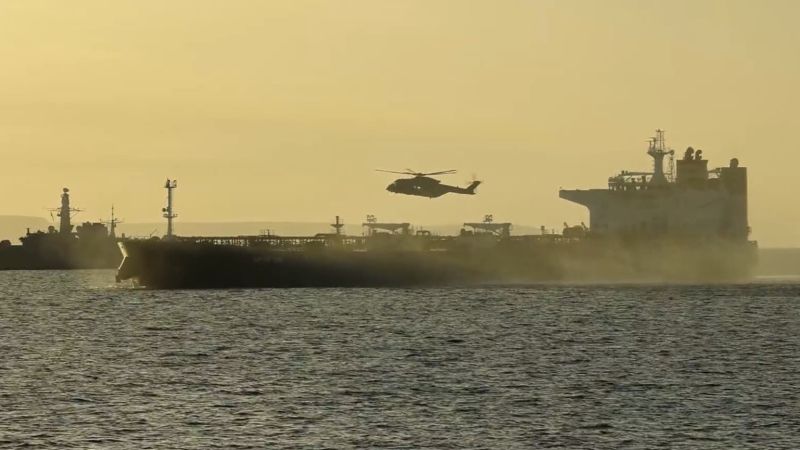
UK intercepts Russian shadow fleet tanker – British forces have successfully intercepted an oil tanker connected to Russia’s shadow fleet in the English Channel, marking a significant milestone in the UK’s efforts to disrupt the flow of Russian oil. This operation, the first of its kind by the nation’s military, was announced by Prime Minister Keir Starmer, who detailed the event in a recent post on X. “In the early hours of this morning, I directed our Armed Forces to intercept a shadow fleet oil tanker attempting to pass through the English Channel,” Starmer stated, emphasizing that the action “delivers yet another blow to Russia and reminds those fueling Putin’s war in Ukraine that we will not let them hide.” The vessel, identified as the Cameroon-flagged Smyrtos, was seized during a coordinated effort involving commandos and the UK’s National Crime Agency.
Shadow Fleet Strategy and International Sanctions
Russia’s shadow fleet has long been a key component of its strategy to circumvent global sanctions imposed after its invasion of Ukraine. This network of vessels, often registered under neutral or friendly flags, enables the country to transport oil and other resources without directly violating international restrictions. The Smyrtos, which had been previously sanctioned by the UK in 2025 for its role in shipping Russian oil, was flagged as part of this covert operation. According to ship tracking data, the tanker was stationed in the Russian port of Luga Bay on June 5 and departed the Baltic Sea six days later, heading toward Port Said in Egypt. This route highlights the complexity of tracking Russian oil shipments, which frequently use multiple ports and transit routes to evade detection.
France has intercepted several similar vessels in the past, but this is the first time the UK has executed such a direct operation. The success of the Smyrtos interception underscores the growing collaboration among European nations to combat Russia’s economic warfare. By targeting the shadow fleet, the UK aims to cut off critical funding for Putin’s conflict in Ukraine, a goal that has been echoed by Ukrainian President Volodymyr Zelensky. In a recent statement, Zelensky praised the UK’s action, calling for “urgent legislative measures to allow not only the detention of tankers and restrictions on oil shipments but also the confiscation of the oil they carry.” Such measures, he argued, would strengthen Europe’s ability to hold Russia accountable for its actions.
The Interception Process and Joint Operations
The operation to seize the Smyrtos involved a joint effort between military and law enforcement agencies. Commandos from the UK’s armed forces, working alongside the National Crime Agency, boarded the vessel in the English Channel. This collaboration reflects the multifaceted approach required to tackle the shadow fleet, which operates both on the high seas and in port infrastructure. The UK’s involvement in this specific case also highlights its proactive stance in enforcing sanctions, even as other nations like France have taken similar steps.
While the interception was a direct hit on Russian supply chains, it also serves as a demonstration of the UK’s military readiness. The successful operation came just days after Prime Minister Starmer appointed Dan Jarvis as the new Defense Secretary, following the resignation of John Healey. The change in leadership occurred amid disputes over military budgets, which had been a point of contention in Starmer’s coalition government. Jarvis, in a statement after the incident, reiterated the importance of the move, saying, “Russia relies on its shadow fleet to fund its conflict in Ukraine, and our interdiction delivers a blow to Putin’s illegal war.” This timing suggests that the interception may be part of a broader effort to assert control over defense spending and show resolve in the face of geopolitical challenges.
Kremlin’s Response and Political Context
A Kremlin envoy, Kirill Dmitriev, swiftly responded to the UK’s action, accusing Starmer of using the event as a distraction from domestic issues. “The detention of a tanker is being used as a distraction from the (UK’s) migrant crisis,” Dmitriev claimed, positioning the interception as a symbolic move rather than a substantive one. However, Starmer and his government have defended the operation as a necessary step in targeting Russia’s financial capabilities. The political backdrop of the UK’s leadership transition adds another layer to the event, as it underscores the importance of unity in addressing international threats.
The Smyrtos interception also highlights the evolving tactics of the shadow fleet. As sanctions tighten, Russia has increasingly relied on flexible shipping routes and alliances with countries like Cameroon to maintain its oil exports. This strategy has forced European nations to adopt more aggressive measures, including naval patrols and joint task forces. The UK’s operation is part of a growing trend where nations are not only enforcing existing sanctions but also expanding their tools to counter Russian influence. This includes confiscating oil, restricting shipments, and detaining vessels, all of which aim to directly impact the war effort in Ukraine.
Global Implications and Future Steps
The success of the UK’s first interception of a shadow fleet tanker could have far-reaching implications for Russia’s economic strategy. By seizing the Smyrtos, the UK has not only halted a specific shipment but also sent a clear message to other countries involved in the shadow fleet network. The operation’s timing, coinciding with the appointment of a new defense secretary, suggests that it may be part of a coordinated campaign to strengthen the UK’s position in the global fight against Russia. Analysts have noted that such actions could pressure other European nations to take more decisive steps in sanctioning Russian oil.
While the UK’s move has received praise from Ukraine, it has also drawn criticism from some quarters. Dmitriev’s assertion that the interception is a distraction from the migrant crisis reflects the broader debate over how effectively the UK can balance its international commitments with domestic priorities. Nevertheless, the event has been framed as a critical victory in the UK’s strategy to disrupt Russian supply lines. With the shadow fleet continuing to operate across multiple regions, future intercepts may become more frequent, requiring sustained efforts from both military and regulatory agencies. The Smyrtos case serves as a precedent for what is likely to be an ongoing campaign to weaken Russia’s financial resources and support for its war in Ukraine.
As the UK continues its efforts against the shadow fleet, the focus will shift toward expanding the scope of these operations. This includes not only intercepting tankers but also collaborating with international partners to track and block shipments. The success of the Smyrtos interception has already prompted discussions about the potential for similar actions in other maritime corridors. With the global energy market under pressure and sanctions intensifying, the UK’s move signals a determined approach to countering Russia’s influence. The outcome of this operation may also influence the development of new legislative frameworks within the European Union, aimed at making it easier to enforce sanctions and target Russian assets.
In conclusion, the UK’s first interception of a Russian shadow fleet tanker represents a significant step in the ongoing struggle to limit the flow of Russian oil. The operation, involving the Smyrtos and coordinated by military and law enforcement agencies, has both symbolic and practical importance. It not only disrupts Russia’s supply chain but also reinforces the UK’s commitment to supporting Ukraine. As the shadow fleet adapts to these challenges, the UK’s actions may set a precedent for future interventions, demonstrating the effectiveness of combined military and legal strategies in the fight against Russian economic warfare.
