
Drones and lone wolf attacks are key concerns as FBI works to secure 11 World Cup cities
FBI Secures 11 World Cup Cities Amid Drone and Lone Wolf Threats
Global Security Concerns for the 2026 World Cup
Drones and lone wolf attacks are key – As the 2026 FIFA World Cup kicks off, federal authorities are intensifying efforts to counter drone threats and lone wolf attacks across 11 major cities. The event, drawing millions of international visitors, has become a focal point for security concerns due to the growing sophistication of unmanned aerial vehicles and the unpredictable nature of isolated extremist actions. The FBI, in partnership with the Department of Homeland Security, has launched a comprehensive strategy to address these dual challenges, ensuring the safety of both infrastructure and attendees.
Rising Risks of Unmanned Aerial Threats
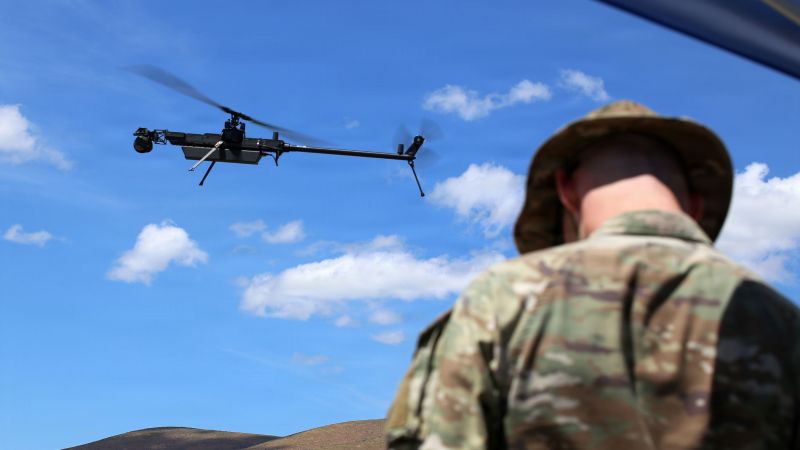
Drones have emerged as a critical security issue, capable of delivering payloads or disrupting key operations with minimal detection. Their accessibility and adaptability make them a favored tool for both terrorists and rogue actors. The FBI is actively deploying advanced counter-drone technologies, including remote shutdown systems and signal jamming, to neutralize potential threats. Lone wolf attacks, often executed by individuals with limited resources, pose an equally pressing challenge, requiring constant surveillance and rapid response protocols.
During a recent briefing, Andrew Giuliani, head of the White House task force, emphasized the need for vigilance despite no immediate threats being identified. The agency has prioritized training programs in three cities, equipping local officers with skills to detect and mitigate drone incursions. These efforts underscore the FBI’s commitment to integrating cutting-edge tools with traditional security measures to safeguard the World Cup’s sprawling event footprint.
Evolution of Drone Technology and Its Implications
The proliferation of drone technology has heightened concerns for security agencies worldwide. Ukraine’s innovative use of drones in conflict zones has demonstrated their strategic potential, while Iran’s affiliated groups have shown expertise in targeting US and Israeli interests. These advancements highlight how drone capabilities could be leveraged for domestic attacks, particularly in crowded public spaces. The FBI is monitoring such developments closely, adapting its strategies to counter evolving threats in real time.
Despite their military applications, smaller drones remain a significant risk due to their ease of use and affordability. These devices, often purchased online, can be programmed to carry explosives or chemical agents, posing a threat that is difficult to predict. John Villasenor, a Brookings Institution expert, warned that the combination of drone technology and lone wolf actors could lead to devastating outcomes if not properly addressed.
Collaborative Training and Local Expertise
In Huntsville, Alabama, the FBI conducted training sessions at a mobile command post, focusing on counter-drone tactics and response procedures. Michael Torphy, assistant section chief of the FBI’s Critical Incident Response Group, highlighted the agency’s proactive approach, stating that its security measures are designed to be discreet yet effective. This strategy aligns with the FBI’s success in protecting events like the Super Bowl from drone disruptions since 2019.
Local law enforcement agencies, including the NYPD, have also invested heavily in drone-mitigation capabilities. With $6.5 million allocated for specialized equipment, these departments are enhancing their readiness to handle both large-scale and individual threats. The integration of federal and local efforts ensures a robust, multi-layered security framework tailored to the unique needs of each host city.
Preparedness for an Unprecedented Event
Security for the 2026 World Cup is structured to combine federal oversight with local expertise, creating a layered defense against drone threats and lone wolf attacks. While the Department of Homeland Security coordinates overarching strategies, the FBI plays a pivotal role in implementing city-specific countermeasures. This collaborative model allows for flexibility, ensuring that resources are directed where they are most needed to prevent disruptions.
As the event approaches, authorities are reinforcing communication between agencies and refining protocols to respond to emerging risks. The focus on drone and lone wolf threats reflects a broader shift in security priorities, emphasizing prevention over reaction. With the World Cup’s massive scale, these efforts are critical to maintaining public safety and upholding the integrity of one of the largest international sporting events in history.
