
Exclusive: Iran sealed uranium cache and placed mines amid fears of US operation to seize material
Exclusive: Iran Fortifies Uranium Stockpiles Amid US Operation Fears
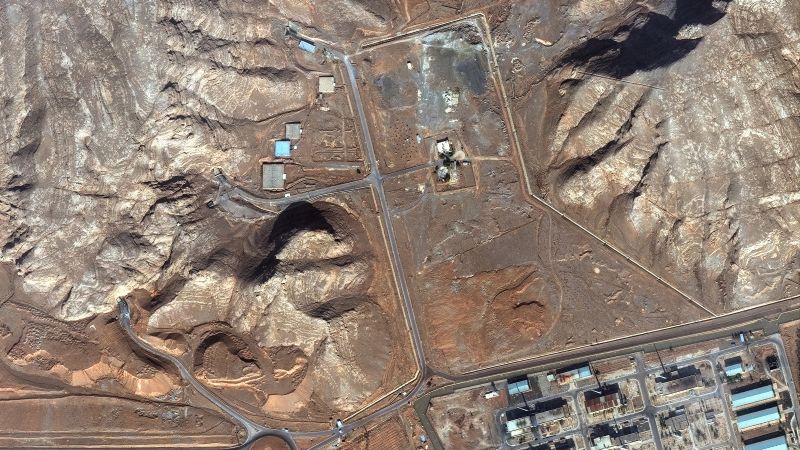
Exclusive – In response to growing concerns about a potential U.S. military operation to seize its nuclear material, Iran has reportedly taken drastic measures to secure its uranium stockpile. According to five U.S. intelligence-linked sources, the country has sealed off underground tunnels and installed explosive mines at key access points, escalating the complexity of any attempt to retrieve the nearly bomb-grade uranium. These steps have made the material significantly harder to access, increasing the risks and time required for U.S. forces to capture it. The sources emphasized that the uranium, estimated at half a ton, is now more difficult to reach than it was just a month ago, when President Donald Trump first hinted at military action to intercept it.
Exclusive: Strategic Moves and Diplomatic Impact
The new security measures have created a major obstacle for the Trump administration’s proposed deal with Iran. The agreement aims to transfer the enriched uranium to U.S. custody for destruction and export, but the added defenses may complicate this process. A former U.S. official, Scott Roecker, noted that if these reports are accurate, it could make it harder for the U.S. to ensure full accountability of the material. “Iran might argue that some of the HEU is now permanently inaccessible,” Roecker said, highlighting the potential for disputes over the stockpile’s complete retrieval. The country’s actions suggest a calculated effort to undermine the deal’s feasibility, even as negotiations continue.
“The U.S. would need to demonstrate that all the HEU is recoverable, which could become a contentious issue,” Roecker added. “If negotiators require Iran to bring the entire stockpile to a central location for verification, the country could claim some portion is lost in the tunnels.”
Exclusive: Heightened Military Preparedness
Iran’s enhanced security measures come as the U.S. military prepares for a potential operation to seize the uranium. However, the mission was paused in mid-May due to the increased risks, according to sources. This delay has since allowed Iran to further solidify its defenses, making the task more challenging. The White House has yet to comment on the situation, while Iran’s UN representatives remain silent. Meanwhile, Trump has reaffirmed that acquiring the uranium is a critical objective in ongoing talks to end the war and reopen the Strait of Hormuz, a strategic chokepoint Iran has been blocking.
Exclusive reports indicate that U.S. officials, including Jared Kushner and Steve Witkoff, visited a specialized mobile uranium facility in Tennessee to discuss its deployment. This facility, managed by the National Nuclear Security Administration, is designed for on-site dismantling and export. However, the process remains risky, with experts warning that the removal could take months. “Even the world’s top nuclear removal experts would face challenges with these defenses,” one source said, underscoring the technical and strategic hurdles.
Exclusive: The Cat-and-Mouse Game
The situation reflects a strategic cat-and-mouse game between Iran and the U.S. As the administration pushed for a military solution, Iran responded by reinforcing its positions. The sources suggested that Trump’s public focus on the uranium as a target may have inadvertently emboldened Tehran to take these steps. “Iran could be using the U.S. pressure as a signal to strengthen its security,” one analyst noted. This dynamic has forced negotiators to reconsider the timeline and logistics of the operation, with some questioning whether the plan is realistic under current conditions.
“The U.S. needs to ensure that Iran doesn’t use this as an excuse to delay or obstruct the deal,” the analyst said. “If the HEU is considered permanently hidden, it could undermine the agreement’s credibility.”
Exclusive: Global Reactions and Uncertainties
Exclusive details from CNN reveal that the international community has been closely monitoring Iran’s actions. Experts estimate the uranium is primarily stored in collapsed tunnels at the Isfahan nuclear complex, with smaller quantities at other sites. The U.S. must now navigate both technical and political challenges, as the operation’s success depends on Iran’s cooperation and the ability to extract the material without triggering a larger conflict. “The stakes are high, but the U.S. has the tools to execute this mission,” said a senior official. “The question is whether Iran will allow it.”
As the talks progress, the U.S. and Iran remain locked in a tense standoff. The renewed security measures highlight Iran’s determination to protect its nuclear assets, while the U.S. seeks to secure the material for strategic and diplomatic leverage. With the deal potentially affecting the future of the Iran nuclear agreement, the situation continues to evolve, keeping global observers on edge. The outcome of this operation may shape not only the current negotiations but also the broader U.S.-Iran relationship in the coming months.
