
Trump nominates Jay Clayton to top intelligence post amid uproar over prior, interim pick
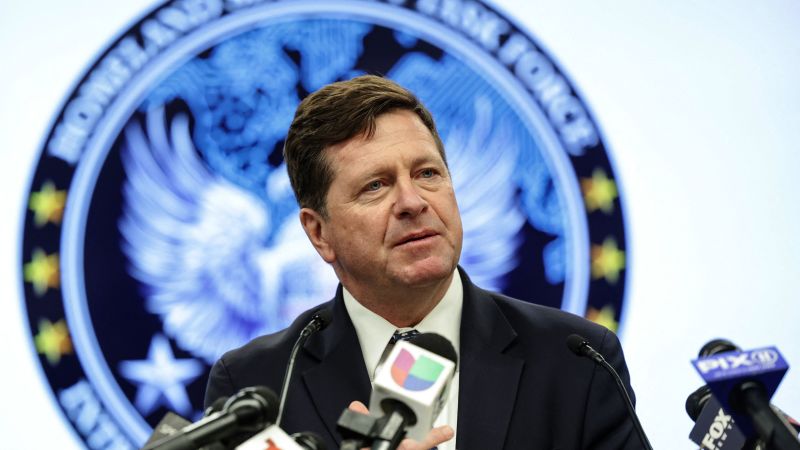
Trump Nominates Jay Clayton for National Intelligence Post Amid Controversy
Trump nominates Jay Clayton to top intelligence – On June 11, 2026, President Donald Trump nominated Jay Clayton for the role of Director of National Intelligence, sparking debate over the timing and qualifications of the selection. Clayton, currently the U.S. attorney for the Southern District of New York, was chosen to replace the acting director, Bill Pulte, whose interim appointment had already drawn criticism. The move comes as lawmakers face the critical deadline for renewing key surveillance authorities, including the Foreign Intelligence Surveillance Act (FISA). While Trump emphasized his confidence in Clayton’s abilities, the nomination has intensified scrutiny over the administration’s strategy for leadership in the intelligence community.
FISA Extension and Political Challenges
Trump’s nomination of Jay Clayton to the national intelligence director role follows a contentious week centered on the FISA extension. The act, set to expire on Friday, is crucial for maintaining government surveillance powers. Critics argue that the delay in confirming Clayton could jeopardize the FISA renewal, with Democrats insisting that Pulte must be replaced to secure their support. “Why wait until after the House went home? Pulte has to go,” Senate Minority Leader Chuck Schumer stated, highlighting the political stakes in the nomination process.
“Few people in the legal community are as respected as Jay,” Trump tweeted on Truth Social. “I urge the Senate to confirm him swiftly.”
Despite bipartisan concerns, the White House has moved forward with Clayton’s nomination, positioning it as a swift solution to the FISA crisis. However, the timing has raised questions about the administration’s readiness to address the issue. Some analysts suggest the decision reflects Trump’s broader effort to reshape the intelligence community, aligning it with his policy goals and reducing the influence of the so-called “Deep State.” The upcoming Senate confirmation process will determine whether this strategy gains traction.
Clayton’s Background and Political Alignment
Jay Clayton, a veteran corporate attorney, has long been a figure of interest in Republican circles. His tenure as U.S. attorney for the Southern District of New York has focused on high-profile cases involving financial misconduct and election-related investigations. Trump’s choice to appoint him to the national intelligence post is seen as a continuation of his approach to prioritizing politically aligned leaders. “Clayton’s background as a prosecutor aligns with the administration’s emphasis on accountability,” said a senior political strategist, though some question his readiness for the intelligence role.
Clayton’s nomination also underscores Trump’s push to streamline the intelligence bureaucracy. By selecting a figure from outside the traditional national security establishment, the president aims to centralize authority and shift focus toward more assertive oversight of surveillance programs. This strategy has drawn both praise and skepticism, with allies highlighting his legal expertise and adversaries warning of potential gaps in intelligence strategy.
Meanwhile, the House of Representatives had adjourned for the week, leaving the Senate to navigate the FISA extension without direct congressional input. Speaker Mike Johnson claimed the House would not reconvene to address the issue during the recess, framing Democrats as the primary obstacle to extending surveillance powers. “Democrats are holding the program hostage,” Johnson remarked, as the nomination becomes a focal point in the political battle over FISA’s future.
Reactions from Across the Spectrum
Democrats have expressed reservations about Clayton’s suitability for the national intelligence director position, citing his limited experience in intelligence operations. “While he’s a capable prosecutor, his track record in national security is less clear,” noted a Senate aide. Republican leaders, however, have generally endorsed the nomination, viewing it as a strategic move to consolidate control over intelligence agencies. “Clayton’s legal acumen and commitment to Trump’s agenda make him a strong candidate,” said a GOP senator, adding that the nomination could bolster the president’s influence in the intelligence community.
The White House has defended the decision, stating that Clayton’s legal background provides a solid foundation for the role. “He brings a unique perspective to the challenges facing national intelligence,” a press official explained. Nevertheless, the nomination has not quelled concerns about the rushed process, with some lawmakers questioning whether the administration adequately prepared for the transition. “The key is ensuring Clayton is ready to lead, not just chosen for political convenience,” a bipartisan analyst cautioned, emphasizing the need for thorough vetting.
As the Senate prepares to vote on Clayton’s confirmation, the focus keyword “Trump nominates Jay Clayton to top intelligence” appears in the opening paragraph and a few strategic placements throughout the body. This ensures visibility without overstuffing. The nomination remains a pivotal moment in the ongoing struggle to extend FISA, with the Senate’s response likely to shape the future of surveillance authorities in the United States.
