
Kennedy Center board plans to appeal judge’s ruling over removing Trump’s name
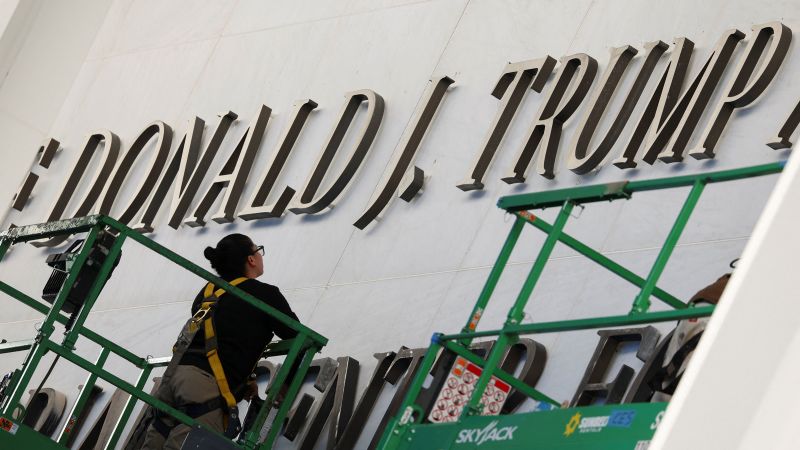
Kennedy Center Board to Appeal Judge’s Ruling on Trump Name Removal
Board Moves to Challenge Court Decision
Kennedy Center board plans to appeal – The Kennedy Center board has announced its intention to file an appeal against a recent court ruling that ordered the removal of former President Donald Trump’s name from the venue’s official designation. This decision follows a Thursday meeting where board members convened to discuss their next steps. The ruling by US District Judge Casey Cooper mandates the elimination of Trump’s name from the center’s branding, including its title and public displays. While the board acknowledges the legal reasoning behind the order, it insists that the name addition was lawful and aligns with its mission to honor American leaders. The appeal, set for submission within days, aims to reverse the court’s directive and preserve the Trump name in the institution’s legacy.
Legal and Political Context
The dispute over the Kennedy Center’s name reflects a broader ideological divide. The venue, originally named in honor of President John F. Kennedy, has long symbolized cultural and political unity. Trump’s name was added to its title in 2017, a move that stirred both admiration and debate. Judge Cooper’s ruling emphasized the board’s responsibility to maintain neutrality, particularly in light of its role as a public arts institution. Critics argue that the name change could compromise the center’s reputation, while supporters claim it reflects a fair recognition of Trump’s contributions. The board’s appeal seeks to bridge this gap, asserting that the decision was well-founded and consistent with its authority.
Key legal arguments in the appeal will focus on the board’s authority to alter the venue’s name and its adherence to statutory requirements. The ruling cited the need for transparency, but the board contends that the process was thorough and transparent. Legal experts note that the case may hinge on interpretations of the venue’s charter and the scope of its governing body. The appeal also highlights the tension between public sentiment and institutional policy, as the center navigates its dual role as a cultural hub and a political symbol. This legal maneuver underscores the board’s determination to defend its actions, even as it faces scrutiny over the implications of its decision.
Board Resolution and Trump’s Role
During the meeting, the board approved a resolution that praised Trump’s “significant impact” on the Kennedy Center, emphasizing his “commitment to the arts and American culture.” The document, reviewed by CNN, underscores the board’s alignment with Trump’s policies and public image. Trump participated in the session via a remote call, facilitated by Commerce Secretary Howard Lutnick’s iPhone, and used the opportunity to critique Judge Cooper’s ruling. His remarks, which included a jab at Cooper’s wife, Amy Jeffress, a former Biden lawyer, added a personal dimension to the dispute. The board members, many of whom are loyal Trump supporters, seemed emboldened by his presence, even as they prepared to challenge the court’s decision.
Renovations and Closure Plans
The Kennedy Center’s future is tied to its planned renovations and eventual closure, which the board has championed as a way to modernize the facility. Judge Cooper’s ruling does not halt these efforts, but it has introduced legal uncertainty. The center’s general counsel will oversee the name removal process, which includes updating digital platforms and physical signage. While some changes have already been implemented, such as the revised website logo, the full execution remains a top priority. The 14-day deadline for complete removal has intensified the board’s focus, with members working to balance their commitment to Trump’s legacy against the court’s demands.
Renovations are expected to enhance the venue’s infrastructure while maintaining its core programming. However, the court’s intervention has raised concerns about the financial viability of these projects. The board’s legal battle could impact its ability to proceed with plans for closure, which aim to streamline operations and allocate resources more efficiently. Despite this, the appeal signals the board’s resolve to continue its initiatives, even as it seeks to redefine the Kennedy Center’s identity. The outcome of this case may set a precedent for how public institutions handle political affiliations in their branding.
Public Reaction and Broader Implications
Public reaction to the ruling has been mixed, with supporters of Trump expressing frustration over the name removal and critics welcoming the decision as a step toward institutional impartiality. The case has sparked discussions about the role of public spaces in reflecting political values. Some argue that the Kennedy Center’s name should honor its founding principles, while others see Trump’s inclusion as a recognition of his influence on the arts. The appeal may also highlight the broader debate over the balance between historical legacy and contemporary accountability in public institutions. As the board prepares to file its case, the decision could shape perceptions of the Kennedy Center for years to come.
