
US inflation tops 4% for first time in three years as oil prices jump
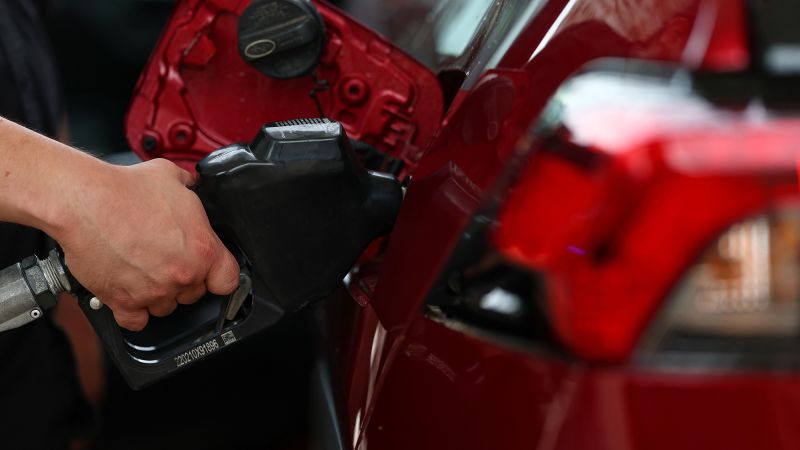
US Inflation Hits 4.2% Mark, Fuel Prices Drive Sharp Rise
US inflation tops 4 for first – Recent data from the Bureau of Labor Statistics reveals that the annual inflation rate surged to 4.2% in May, the highest level in three years. This uptick highlights the persistent impact of elevated energy costs on the U.S. economy, with the monthly price increase reaching 0.5%. The report underscores how the ongoing US-Israeli conflict with Iran has intensified inflationary pressures, particularly in the energy sector. According to the latest Consumer Price Index, energy prices accounted for 60% of the monthly rise, marking a significant contributor to the overall trend.
Economic Analysis Highlights Persistent Concerns
While the annual inflation rate climbed to 4.2%, the monthly increase in food and grocery prices slowed compared to April. Overall food costs rose by 0.2%, and grocery prices increased by 0.1%, down from 0.5% and 0.7% in the previous month. Economists had anticipated a 0.5% monthly rise, aligning with FactSet’s projections. Despite the modest uptick in food and energy prices, the core CPI—excluding these categories—grew at a subdued pace of 0.2% in May, bringing its annual rate to 2.9%. This suggests that inflationary pressures may be concentrated rather than widespread, offering some relief to consumers facing broader cost-of-living challenges.
“4.2% is still too hot for comfort, but the more important news was that the increase was concentrated mainly in energy, especially gasoline, rather than spreading widely across the economy,” noted Sung Won Sohn, a professor of finance and economics at Loyola Marymount University. His analysis suggests that while inflation remains elevated, its trajectory may be less destabilizing than previous periods.
Trump’s Optimistic Take on Inflation Trends
President Donald Trump downplayed the May inflation figures, dismissing them as favorable during a press briefing at the White House. “The numbers were great,” he stated, adding, “I love it. I love the inflation.” Trump emphasized his confidence that prices would stabilize once oil supplies resume normal flow through the Strait of Hormuz. “It’s coming down,” he said, “It’s going to come down like a rock.” His optimism contrasts with the concerns of many economists, who view the current inflation rate as a sign of lingering challenges.
Inflation’s Roots Extend Beyond the Middle East
The recent inflationary surge is attributed to multiple factors, including the conflict between the U.S. and Iran, which has disrupted oil trade routes. The Strait of Hormuz, a critical chokepoint for global oil shipments, has seen reduced flow, exacerbating energy price volatility. This disruption also affects the availability of other essential materials, such as metals and fertilizer, compounding the cost pressures on businesses and households. Analysts warn that the full economic impact of the war may not be fully realized until the fall harvest season, when food prices are expected to rise further.
Diane Swonk, chief economist at KPMG, highlighted that the war’s effects on prices are still unfolding. “We’ve yet to hit the full effects of the war on food prices,” she explained. “The fertilizer, diesel costs, reduced crop yields, and potential El Nino impacts—none of that hits until the fall harvest and into 2027.” Beyond the Middle East, other factors like summer tariffs and rising demand for electricity due to the AI industry are also pushing prices upward. “There’s still a lot in the pipeline,” Swonk added, noting that emerging markets’ rationing practices have led to idle manufacturing, affecting products such as cooking oil and clothing.
Broader Implications for Affordability and the Economy
With inflation persisting at a high level, affordability concerns for American consumers are intensifying, especially as the midterms approach. The data adds urgency to Trump’s promise to curb prices, though economists remain cautious. “Inflation might not get worse, but it’s going to be a bit warm for the time being,” said Nancy Van Houten, lead U.S. economist at Oxford Economics. She projected that the current rate could stabilize, but the effects of five years of high inflation are likely to linger. “The artificial intelligence boom is pushing prices higher for electricity and certain electronic components,” Van Houten explained, “while the latest war-driven price shock compounds the challenges of the past.”
Analysts warn that the combination of ongoing supply chain bottlenecks, energy price spikes, and seasonal factors could create a more complex inflation landscape. The Federal Reserve, under new chair Kevin Warsh, faces a delicate balancing act as it considers whether to maintain interest rates or raise them further. While the labor market shows resilience, inflation’s upward momentum in the last three months has surpassed levels seen since the April-June 2022 period, when prices reached a 41-year peak of 9.1%. This resurgence raises questions about the sustainability of current economic conditions and the potential for future price hikes.
Looking Ahead: A Multifaceted Inflation Challenge
The May report serves as a critical snapshot of the U.S. economy’s inflationary trajectory, revealing both risks and opportunities. Although core inflation has eased, the overall picture remains mixed. Prices for essentials like gasoline and energy have surged, while food and grocery costs have leveled off. However, experts caution that the recent acceleration in price increases could signal a return to broader inflation. “The dispersion of price hikes is broadening again,” Swonk said, “instead of narrowing, which suggests underlying inflation is still sticky.”
For consumers, the implications are clear: rising prices are outpacing wage growth, squeezing household budgets. With the cost of living at its highest in three years, the affordability crisis is expected to intensify before the midterm elections. “Americans are likely to have an even harder time keeping up,” Swonk noted, emphasizing that the current environment could test the limits of both households and businesses. The data also underscores the Fed’s challenge in managing inflation without stifling economic growth, a balancing act that will be closely watched in the coming months.
As the U.S. grapples with the effects of the war and other global factors, the inflation narrative remains dynamic. While energy prices are a key driver, the interplay of tariffs, AI demand, and seasonal supply disruptions adds layers of uncertainty. The coming weeks will be pivotal in determining whether the current trend is a temporary spike or the start of a new phase of inflation. For now, the 4.2% annual rate and 0.5% monthly increase serve as a reminder that affordability pressures are far from a thing of the past.
Meanwhile, the data provides a focal point for political discourse. Trump’s dismissal of the figures and his call for price stability through increased oil supplies contrast with economists’ warnings about the long-term nature of the inflationary forces at play. As the Federal Reserve weighs its next move, the challenge will be to address inflation without undermining the labor market’s strength. The path forward depends on a combination of geopolitical developments, supply chain adjustments, and domestic economic policies, all of which will shape the next chapter of the inflation story.
