
California blues: Races for governor, Los Angeles mayor feature weak Democratic frontrunners and insurgent Republicans
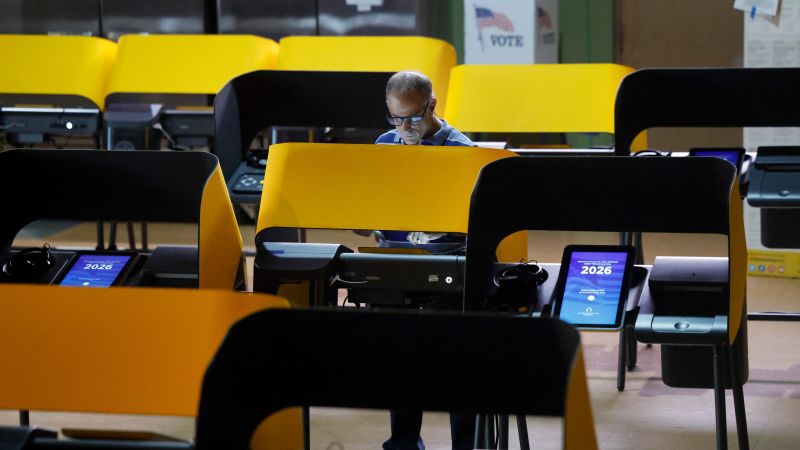
California Blues: Governor and Mayor Races Show Weak Democratic Candidates, Strong Republicans
California blues – In California, the political scene is set for a pivotal week as voters prepare to cast their ballots in primary elections for governor and mayor. Despite the state’s reputation as a Democratic stronghold, the “California blues” are intensifying as both major races feature candidates with limited support, creating an uncertain path for the Democratic Party. With President Donald Trump’s influence waning, the party is facing internal challenges that have drawn scrutiny over its strategies for the 2024 midterms. Recent polls indicate a growing disapproval of Democratic leadership, while a botched DNC report and a Jill Biden book tour have further highlighted the party’s struggles. This turbulent period could shape the direction of California’s governance and influence the broader national political landscape.
Democratic Candidates Struggle to Gain Momentum
The governor’s race is dominated by underperforming Democratic frontrunners, with many candidates failing to capture the public’s attention or articulate clear visions for the state. Similarly, in the mayoral contest, the incumbent, Karen Bass, faces a formidable challenge from Spencer Pratt, a Republican reality TV star who has gained traction by linking her to conservative figures like Alex Jones. Pratt’s campaign has capitalized on voter frustrations with Democratic policies, particularly on issues like homelessness, drug use, and housing affordability. “The reason I have success is I’m telling people the truth with common sense,” Pratt stated, emphasizing his belief that the Democratic establishment has let the state down.
Both races highlight a broader trend of Democratic candidates struggling to differentiate themselves. While the party controls state and city governments, its inability to unify its base has left room for Republican insurgents to emerge. Voters are increasingly critical of Democratic leaders for their handling of economic and social challenges, which have become central to the campaign narratives. The “California blues” are not just about politics but also about the everyday struggles of residents, who are demanding more effective solutions from their representatives.
Jungle Primary Dynamics and Voter Uncertainty
California’s unique “jungle primary” system, where all candidates appear on the same ballot regardless of party affiliation, has intensified competition in both races. This format allows voters to choose between Democrats and Republicans without strict party loyalty, making it easier for insurgent Republicans to gain ground. In the mayor’s race, three candidates — Karen Bass, Spencer Pratt, and progressive city councilwoman Nithya Raman — are vying for the top two spots, creating a tight contest that could determine the city’s future direction. The same dynamic applies to the governor’s race, where the Democratic field is fractured, and Republicans are pushing for a stronger voice in state politics.
The jungle primary system has also amplified the influence of local issues, with homelessness and crime becoming key battlegrounds. Republican candidates argue that Democrats have neglected these concerns, pointing to incidents like the Palisades fire that damaged Pratt’s home as evidence of systemic failures. Meanwhile, progressive Democrats like Raman are positioning themselves as alternatives to the party’s traditional leadership, advocating for bold policies on climate change, education, and healthcare. The outcome of these races will depend on voters’ ability to navigate the complex landscape and choose candidates who align with their priorities, even as the “California blues” continue to shape the discourse.
Political analysts warn that the “California blues” could have lasting effects on the state’s governance. If Republicans secure key positions, they may gain more leverage in shaping policies that have long been controlled by Democrats. However, the Democratic Party is not without its strengths. Its base remains large, particularly in urban areas, and progressive candidates are appealing to younger voters and those concerned about climate change and social equity. The challenge lies in translating these support bases into decisive victories in the face of a fragmented Democratic field and a growing Republican presence.
As the primary elections approach, the focus on the “California blues” is expected to intensify. Polls show that voters are more divided than ever, with some questioning the party’s ability to address pressing issues. This uncertainty could lead to unpredictable outcomes, especially in a system where the top two finishers, regardless of party, face off in the general election. For the Democratic Party, this is a critical moment to either consolidate its base or risk losing ground to Republicans who have positioned themselves as viable alternatives. The results may also have implications for the 2024 congressional races, where Democrats are seeking to maintain their majority.
Voter Concerns and the Future of California Politics
The “California blues” are not just about political strategy but also about the real challenges facing residents. Issues such as rising living costs, stagnant wages, and the opioid crisis have fueled dissatisfaction with Democratic leadership, even as the party remains dominant in key demographics. This has created a vacuum that Republicans are eager to fill, leveraging their message of economic accountability and strong leadership. For instance, Spencer Pratt has framed his campaign as a fight against corruption, a narrative that resonates with voters who feel disconnected from the political process.
Meanwhile, the Democratic Party is grappling with internal divisions. Progressive candidates like Nithya Raman are challenging the establishment, while others are struggling to find a foothold. This reflects a broader trend in California politics, where traditional party lines are blurring and new voices are emerging. The outcome of the primary elections will not only determine the next governor and mayor but also signal the party’s ability to adapt to changing voter sentiments. With the “California blues” shaping the narrative, the race has become as much about leadership as it is about policy, leaving voters to decide which candidate can best address the state’s complex challenges.
As the primary elections draw near, the “California blues” are likely to dominate media coverage and public discussion. The unpredictable nature of the jungle primary system adds to the tension, as candidates must appeal to a wide range of voters without clear party cues. This could lead to a scenario where the most moderate candidates win, further diluting the influence of progressive or conservative voices. However, it also offers an opportunity for new leaders to rise, particularly if the Democratic Party fails to present a cohesive message. The next few weeks will be crucial in determining the trajectory of California’s political landscape and the impact of the “California blues” on its future.
