
Ukraine sees highest civilian casualties since 2022
Goldlaner.com – “`html
Ukraine Sees Highest Civilian Casualties in Over Four Years of Conflict
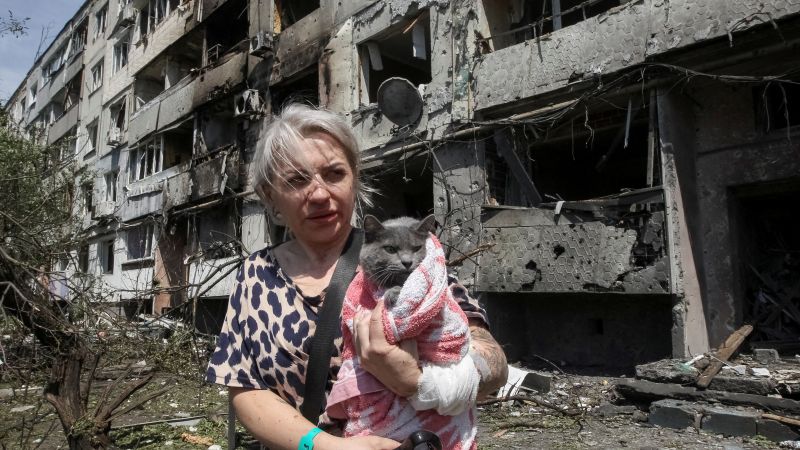
Ukraine sees highest civilian casualties since 2022, marking a devastating milestone in the ongoing war with Russia. According to official government figures released this week, the country has experienced its deadliest month for civilians in more than four years of fighting. Russian military operations throughout July have resulted in at least 377 civilian deaths and 2,129 injuries, surpassing all previous monthly records since April 2022. The surge in casualties has been driven largely by an increased deployment of ballistic missiles—weapons that prove particularly challenging for Ukrainian air defense systems to intercept. Multiple strikes have targeted the capital city of Kyiv, causing widespread disruption and fear among residents.
Escalating Aerial Assaults and Defense Challenges
The intensity of Russia’s aerial campaign has reached unprecedented levels. Ukrainian President Volodymyr Zelensky reported that Russian forces have launched nearly 1,700 drones, deployed more than 1,630 guided aerial bombs, and fired over 50 ballistic missiles in just the past week alone. These numbers represent a significant escalation from previous months and underscore the growing threat to Ukrainian civilian populations.
“We must undercut Russia’s gamble on ballistic terror,” Zelensky declared in a message posted to social media platform X on Sunday. “Every interceptor missile right now is literally helping save lives if it is here, in Ukrainian systems, not in our partners’ warehouses.”
Zelensky’s statement highlights a critical bottleneck in Ukraine’s defense capabilities. Despite receiving substantial military aid from Western allies, the country continues to face shortages of advanced interceptor missiles needed to counter Russia’s growing arsenal of ballistic weapons. The president has repeatedly called for increased deliveries of Patriot systems and other air defense technologies capable of neutralizing these high-speed threats.
Humanitarian Impact and Regional Consequences
The human toll of these attacks extends far beyond statistics. In a particularly tragic incident on Sunday, a Russian drone strike on a supermarket in Chernihiv claimed the lives of a 10-year-old child and an adult, while injuring three additional people. Local authorities confirmed the casualties, and the attack has drawn attention to the vulnerability of civilian infrastructure across Ukraine. The supermarket, often referred to as “Russia’s Amazon” by Ukrainian media, had become a symbol of daily life continuing despite the war.
Meanwhile, Ukraine has maintained its own offensive operations against Russian energy infrastructure. Over the past week, Ukrainian forces have conducted drone and missile campaigns targeting multiple refineries within Russian territory. These strikes have had significant economic repercussions, prompting Russia to extend its ban on diesel exports until the end of 2026. Russian Deputy Prime Minister Alexander Novak indicated on Saturday that the government would consider lifting the restriction “as the market recovers.”
“Many areas of Russia and occupied Ukraine continue to struggle with fuel shortages, though Russian officials are increasingly posturing that the economic situation and fuel crisis are stabilizing,” the Institute for the Study of War in Washington reported on Saturday.
Russia has responded to Ukraine’s energy strikes with its own counteroffensive, intensifying attacks on fuel stations in northern Ukraine. Additionally, Moscow has escalated operations against Ukrainian ports in the Black Sea and along the Danube river, threatening critical supply routes and economic lifelines.
Broader Regional Implications
The conflict’s reach extends beyond Ukraine’s borders. In eastern Ukraine, one town has emerged as a microcosm of Putin’s costly military campaign, revealing the slow and bloody pace of Russia’s territorial advances despite false claims of rapid progress. Meanwhile, the war has begun affecting neighboring countries. For the third consecutive day, the Romanian air force successfully shot down a Russian drone over the Black Sea on Sunday. The Romanian defense ministry confirmed that the drone was intercepted above Romanian territorial waters, marking another violation of neighboring airspace.
Romanian President Nicusor Dan responded firmly to the incident, stating that it was “inadmissible and intolerable” for Russia to violate Romanian airspace. In response to the escalating tensions, the Russian ambassador in Bucharest was summoned to the Foreign Ministry on Sunday for diplomatic consultations.
Frequently Asked Questions
What makes this month’s casualties the highest since 2022?
July 2026 has seen at least 377 civilian deaths and 2,129 injuries from Russian attacks, surpassing all previous monthly totals since April 2022. The increase is primarily attributed to a higher volume of ballistic missiles, which are harder to intercept than drones and aerial bombs.
How many weapons has Russia deployed recently?
According to President Zelensky, Russia has used nearly 1,700 drones, more than 1,630 guided aerial bombs, and over 50 ballistic missiles in the last week alone.
What is Ukraine requesting from its allies?
Ukraine has been calling for increased deliveries of Patriot systems and other advanced air defense capabilities, particularly interceptor missiles needed to counter Russia’s ballistic missile campaign.
How has the conflict affected regional countries?
Romania has shot down three Russian drones over its territorial waters in consecutive days, prompting diplomatic action. The conflict has also disrupted fuel supplies across both Ukraine and parts of Russia.
“`
