
Edna Lewis built the future of American dining on Black country tradition
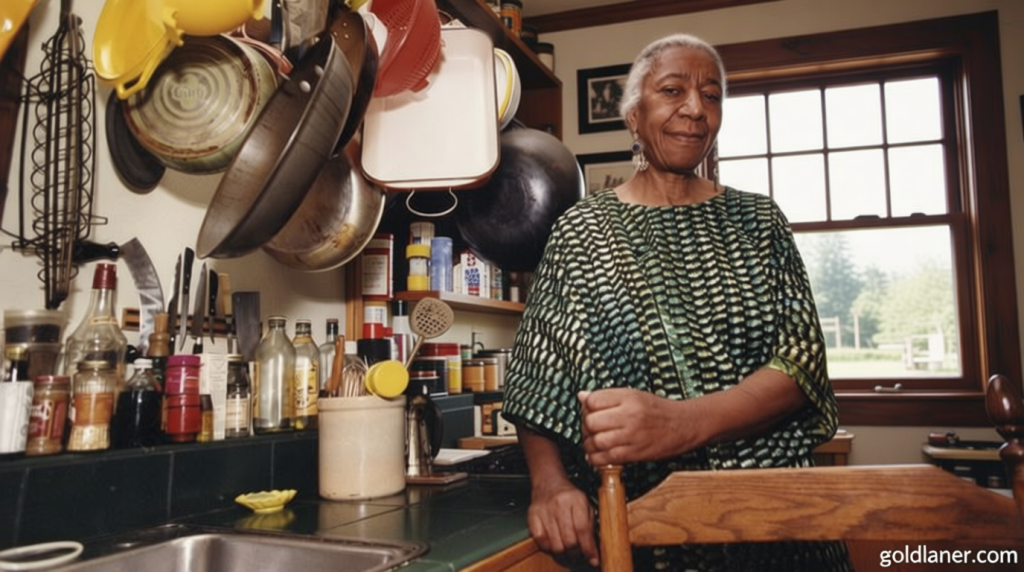
Edna Lewis built the future of American dining on Black country tradition
The Seasonal Roots of a Culinary Revolution
Edna Lewis built the future of American – Edna Lewis’s seminal work, *The Taste of Country Cooking*, first published in 1976, began not with recipes but with vivid depictions of the natural world. In the opening chapter, she painted a scene of spring in Virginia, where the first warm mornings brought the sight of newly hatched chicks pecking through snowy slush. These sensory details, rooted in specific locales, laid the groundwork for a culinary philosophy that would challenge and reshape national perceptions of American cuisine. The book, which remains in print to this day, is organized by season, a structure that reflects Lewis’s deep connection to the rhythms of the earth and the labor of Black farming communities.
A Legacy Forged in the Soil of Freetown
Growing up in Freetown, a Virginia community founded by formerly enslaved people, Lewis developed an intimate understanding of food as a reflection of heritage and environment. Her upbringing shaped her belief that meals were not just sustenance but a narrative of the land’s bounty and the hands that cultivated it. This perspective contrasted sharply with the European-centric ideas of terroir that had long dominated American culinary discourse. By centering her work on the seasons and the specificities of Black agricultural traditions, Lewis offered a fresh, unvarnished view of food that transcended the stereotypes of the South.
When the book was released in 1976, the American South still carried a reputation for being unrefined, with its cuisine often labeled as overly salty or fatty. Scott Peacock, a Southern chef who co-authored a 2003 cookbook with Lewis and cared for her in her final years, described the era as one where Southern food was seen as a “heart attack on a plate.” Yet Lewis’s writing defied such judgments, presenting a cuisine that was both deeply traditional and richly complex. Her descriptions of communal meals, crafted from the land’s offerings, were not just recipes—they were stories of resilience, culture, and daily life.
Revolutionizing the American Table
Today, many modern culinary trends trace their origins to Lewis’s pioneering work. The concept of seasonal menus, once a niche idea, is now a staple in fine dining. Online food influencers promote foraging and local sourcing, practices that Lewis articulated decades earlier. Her advocacy for unprocessed, farm-to-table ingredients predated the popular “third-wave coffee” movement and the current emphasis on artisanal practices. As Toni Tipton-Martin, author of the foreword for the 50th-anniversary edition of the book, noted, Lewis’s writing affirmed that “our food is and has always been” a testament to the land’s generosity and the labor of its people.
One of the most striking aspects of *The Taste of Country Cooking* is its blend of personal memory and culinary instruction. Lewis weaves together stories of her grandmother’s life, including the amount she was purchased for, with details about community gatherings like poetry readings and children’s plays. These moments, she wrote, were inseparable from the meals shared among neighbors. For instance, the scent of summer thunderstorms mingled with the aroma of turtle soup, while December’s hog butchering became a symbol of communal effort. In her hands, these everyday experiences were transformed into a celebration of Black agricultural traditions, offering a lens through which to view Southern cuisine as both beautiful and essential.
A Voice That Defied Stereotypes
Lewis’s work was ahead of its time, as James Beard, the godfather of American gastronomy, recognized in 1976. In a syndicated newspaper column, Beard praised her ability to capture the essence of “earthly American recipes” that relied on the bounty of the land. His praise marked a turning point, elevating Southern cooking to the same level of sophistication once reserved for European culinary arts. By using the language of French wine regions to describe Southern ingredients, Beard helped shift the narrative, positioning Black food as a cornerstone of American gastronomy rather than a secondary cultural element.
Yet Lewis’s impact was not immediate. Peacock, who met her as a young chef, recalled how she challenged his assumptions. When he expressed his desire to study in Italy, akin to “the cool kids,” she urged him to first understand the roots of his own cuisine. “That was a shocking thing to hear,” Peacock said. “I didn’t think there was anything to learn from the food I’d grown up with.” Her mentorship emphasized the depth and diversity of Southern cooking, a perspective that would later become central to the broader American food movement.
Even as industrialization reshaped American eating habits—dominated by products like pancake mix, canned soups, and instant meals—Lewis’s focus on local, seasonal ingredients provided a blueprint for a return to authenticity. Her descriptions of roasting coffee beans at home, foraging for morel mushrooms, and prioritizing the “great flavor” of local beef anticipated contemporary efforts to reconnect with food’s origins. In doing so, she not only preserved the traditions of Black farming but also laid the foundation for a more inclusive and nuanced understanding of American cuisine.
Embracing the Past to Shape the Future
The 50th-anniversary edition of *The Taste of Country Cooking* has reignited interest in Lewis’s legacy, showcasing how her ideas continue to influence the way Americans eat. Her writing transcended the cookbook format, becoming a personal history that illuminated the cultural significance of food. By celebrating the labor of Black farmers and the seasonal cycles that governed their lives, Lewis ensured that these traditions would not be forgotten. As Peacock noted, the book was less a mass-market hit than a quiet sensation among those who sought to understand the deeper layers of American cuisine.
Ultimately, Lewis’s work redefined the nation’s relationship with food. It challenged the notion that Southern cooking was inherently crude, instead framing it as a sophisticated and deeply rooted tradition. Her contributions remind us that the stories of the land and the people who tend it are inseparable from the meals we prepare and share. As Toni Tipton-Martin put it, “She is certainly laying down the marker that says, ‘This is who we are,’ and ‘this is what our food is and has always been.’” In a world increasingly driven by convenience, Lewis’s insistence on the value of time, place, and tradition remains a vital guide for the future of American dining.
“I was extremely moved by the book,” James Beard wrote in 1976. “And immediately wanted to cook many of these earthy American recipes that depend for their excellence on the bounty of our good soil.”
Beard’s words underscored a pivotal shift in how American food was perceived. By framing Southern cuisine as a product of “good soil,” he validated the idea that the land itself was a character in the story of the nation’s culinary identity. Lewis’s work, rooted in the specifics of Black farming life, became a touchstone for chefs and food writers seeking to honor tradition while embracing innovation. Today, her influence is evident in every seasonally inspired dish, every community garden, and every effort to reclaim the authenticity of American cooking.
Edna Lewis’s legacy is not just in the recipes she preserved but in the philosophy she championed. Her book, now celebrated in a new edition, continues to inspire a generation that seeks to understand food as a living, evolving expression of culture. By linking the seasons to sustenance and community, Lewis ensured that the future of American dining would be built on the traditions of those who came before her—a testament to the enduring power of her vision.
