
Ukraine attack ‘largest in over a year’ on Moscow, Russian state media reports
Ukraine Launches Largest Attack on Moscow in Over a Year, Reports Claim
Ukraine attack largest in over a year – Ukraine’s strike on Moscow, labeled as the largest in over a year, has drawn significant attention from Russian state media, which reported the incident as a major escalation in the ongoing conflict. According to TASS, the attack involved over 500 drones deployed overnight, targeting critical infrastructure within the Russian capital. This marks a notable shift in Ukraine’s strategy, with the assault on Moscow being the most extensive since the war’s early stages. The strike followed a series of intense Russian air attacks on Kyiv, which had claimed at least 25 lives earlier in the week.
Collateral Damage Across Moscow Suburbs
The attack’s reach extended beyond its primary objectives, causing damage to residential zones. In Khimki, a suburb northwest of Moscow, a drone strike resulted in the death of a woman and left another person injured under rubble. Moscow’s mayor, Sergey Sobyanin, noted that a total of 12 individuals were harmed in the city, including workers at an oil refinery. Meanwhile, in Subbotino, debris from the strike ignited a house, underscoring the unpredictable nature of the Ukraine attack largest in over a year.
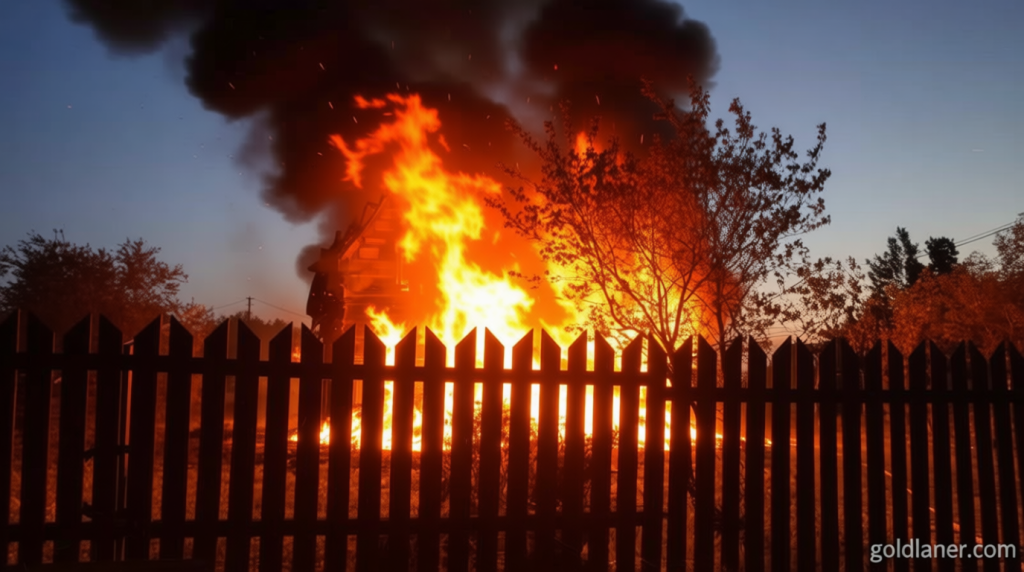
Further east, in Mytishchi, two men were killed when drone debris struck a construction site. Sobyanin highlighted that the attack’s impact was widespread, with multiple neighborhoods reporting damage. In the western town of Istra, four residents were injured after drones damaged several residential blocks. TASS shared images of the aftermath, depicting a house in flames and apartment buildings with structural damage, though exact locations remained unspecified.
Global Repercussions and Diplomatic Tensions
The Ukraine attack largest in over a year also affected international stakeholders. India’s Embassy in Russia confirmed that one of its citizens was among the casualties, with three others injured. This incident highlights how the war’s effects are now spilling beyond Russia’s borders, impacting foreign nationals and prompting diplomatic responses. The Indian embassy’s statement emphasized the growing threat to Moscow’s security, as Ukraine’s strikes continue to challenge Russian defenses.
Ukraine’s Security Service disclosed that the attack targeted key facilities in the Moscow region, including two oil pumping stations and the Angstrom plant, which supplies semiconductors to Russia’s military-industrial complex. This strategic focus aims to disrupt Russia’s energy and technological capabilities. The report indicates that the assault was well-planned, with precise targeting of infrastructure essential to sustaining Russia’s war effort.
Russian Air Defense and Drone Counters
Russia’s Defense Ministry reported intercepting 556 Ukrainian drones overnight, showcasing its efforts to counter the onslaught. However, Sobyanin noted that Moscow’s defenses managed to down more than 120 of the drones, leaving the remaining 436 to reach their targets. This discrepancy highlights the complexity of defending against Ukraine’s large-scale drone attacks, which have become a pivotal aspect of the conflict.
The Ukrainian Air Force provided additional details, stating that Russia launched 287 drones during the same period. These targeted areas in the Dnipropetrovsk region and Zaporizhia, causing injuries to nine individuals. Ukraine’s success in shooting down most of the drones demonstrates improved coordination in countering Russian aerial assaults. Despite these efforts, the threat of drone strikes remains a central element in the Ukraine attack largest in over a year.
Strategic Context and Previous Escalations
This attack occurred just days after Russia scaled back its Victory Day parade, indicating a strategic adjustment in its military posture. The decision to reduce the event’s scale followed a string of Ukrainian strikes on Russian territory, particularly on oil refineries, which disrupted supply chains and highlighted the shifting dynamics of the war. The Ukraine attack largest in over a year underscores Ukraine’s growing capability to strike deep within Russia, a move that has intensified pressure on Moscow’s defenses.
As the conflict evolves, the Ukraine attack largest in over a year reflects a broader trend of Ukraine targeting Moscow’s economic and industrial hubs. This approach aims to weaken Russia’s logistical support and slow its war efforts. Analysts suggest that such strikes are part of a calculated strategy to maximize impact while minimizing Ukrainian losses, marking a new phase in the war’s trajectory.
