
Cats or dogs? In East Asia, more people are becoming feline fans
Cats or Dogs? East Asia’s Growing Feline Fascination
Cats or dogs In East Asia – The age-old debate between cat lovers and dog enthusiasts has taken on new significance in East Asia, where a noticeable shift in pet preferences is reshaping cultural norms. While dogs have long been the go-to companions for many, a growing number of residents in this region are now opting for cats, driven by lifestyle changes and evolving attitudes toward companionship. This trend, evident across countries like Taiwan, China, Japan, and South Korea, reflects a broader societal transformation, particularly among urban populations.
A Surge in Cat Popularity
In Taiwan, a self-governing island, pet cats surpassed dogs in numbers for the first time in 2025, according to a government survey. The population of domesticated cats there jumped from 1.3 million in 2023 to 1.7 million in 2025—a 33% increase. Similarly, mainland China saw a similar trend in 2021, with cat ownership climbing rapidly. Japan, often credited as the pioneer of this phenomenon, has had cats outnumber dogs for over a decade, setting the stage for a regional shift.
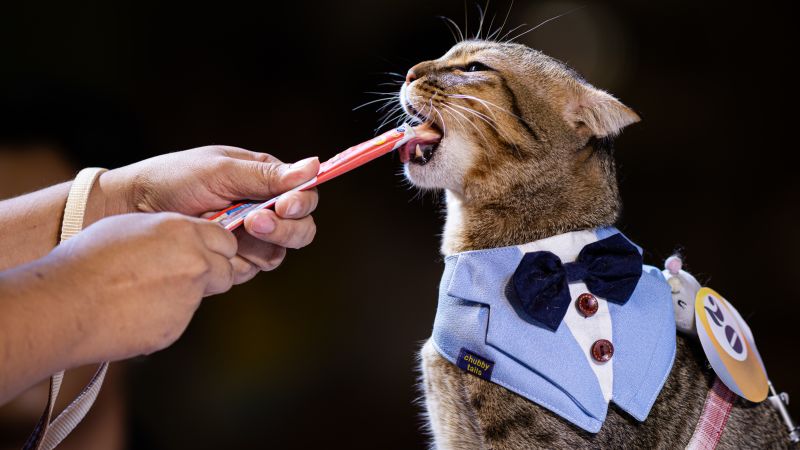
Even in regions where dogs remain the dominant pet, such as South Korea and Hong Kong, cats are gaining traction. This pattern suggests that the appeal of felines is not limited to specific demographics but is instead tied to broader urban dynamics. For example, in Hong Kong, the city’s fast-paced lifestyle has made cats a more attractive option for many residents, as noted by Ellen Chung, a local visitor who shared her thoughts at a bustling cat café. “Having a cat would be more convenient in a city,” she explained, “because you have to frequently take dogs out for walks, and some people are afraid of dogs. Plus, I think cats are just cuter.”
Urban Living and the Rise of Feline Popularity
The proliferation of cats in densely populated cities is closely linked to modern living conditions. With small apartments and high-rise housing dominating urban landscapes, maintaining a dog’s needs often proves more demanding. Frequent walks, exercise routines, and outdoor space are essential for canines, but these requirements are less critical for cats, which thrive in indoor environments. This makes felines an ideal companion for individuals with hectic schedules or limited living space.
Moreover, the loneliness that accompanies urban isolation plays a role. As people navigate long work hours and fragmented social networks, pets have become emotional anchors. Cats, with their independent nature, offer a level of companionship that requires less daily attention than dogs. “The convenience of cats aligns perfectly with the demands of city life,” said Paul Wong, a clinical psychologist and associate professor at the University of Hong Kong. He added that the mental shift from viewing animals as functional tools to seeing them as emotional partners has been pivotal. “Dogs were once primarily used for security or pest control, but now they are seen as a way to combat loneliness.”
Cultural and Historical Context
Japan’s early embrace of cat culture provides a fascinating backdrop to this phenomenon. The country is home to Hello Kitty, the iconic cartoon cat created in 1974 that has become a global symbol of cuteness and popularity. Japan also features several “cat islands,” where feral cat populations have drawn tourists and sparked a unique cultural fascination. These examples highlight how national identity and media can influence pet trends.
In contrast, South Korea’s relationship with cats has been more complex. Historically, cats were associated with ill fortune or evil spirits, which contributed to their lower status as pets compared to dogs. This perception began to change with the onset of the COVID-19 pandemic, which restricted outdoor activities and forced many to rethink their domestic arrangements. A 2025 report by KB Financial Group noted a sharp rise in cat adoptions, citing the ease of indoor care as a key factor. “The pandemic created a situation where people had to rely on pets for emotional support,” said Beijing Gong Su-hyun, a veterinarian at Ballyeomaru cat adoption center in South Korea. “Cats adapt well to confined spaces and require less maintenance, making them a practical choice for busy households.”
The trend is not just about convenience; it’s also about changing values. In China, the number of pets is expected to surpass the population of toddlers, underscoring the growing importance of animal companionship. This shift is mirrored in Japan, where the government has introduced legal limits on overtime hours to address the issue of “death by overwork.” These measures reflect a societal recognition of the toll that urban pressures take on individuals, leading to a preference for pets that fit seamlessly into their lives.
Demographic Shifts and Social Trends
East Asia’s demographic transformations have also played a role in this pet preference shift. Younger generations, increasingly drawn to urban centers, have left rural areas in search of opportunities, often abandoning family farms and villages behind. This exodus has led to aging populations in rural regions and a more transient lifestyle for city dwellers. As a result, people are reevaluating their commitments, including marriage and parenthood.
Paul Wong highlighted how these pressures contribute to declining birth rates. “When people choose not to have children, a pet becomes almost like a substitute,” he said. This sentiment is echoed in South Korea, where the country’s birth rate has plummeted despite government interventions. The combination of economic uncertainty, hyper-competitive job markets, and high living costs has made raising a family less appealing, especially for younger individuals. “The challenges of city life make cats a more practical option,” Wong added, noting that their low-maintenance nature aligns with the needs of an increasingly single and career-focused population.
In Hong Kong, Joe Ngai, an assistant professor at the University of Hong Kong Shue Yan University, emphasized the role of work culture in this shift. “The pressure to perform in a demanding job market has made people prioritize pets that fit their lifestyle,” he said. With many working long hours and facing financial strain, cats offer a solution that is both emotionally fulfilling and logistically manageable. Their ability to self-regulate and remain content in small spaces makes them a natural fit for urban life.
The Future of Feline Companionship
As the trend continues, experts predict that cats will remain the preferred choice for many in East Asia. The convenience of their care, combined with their ability to provide companionship without the same level of commitment as dogs, makes them an appealing option. This shift is not just about personal preference but also about adapting to the realities of modern living. “Cats have become a symbol of emotional resilience in an era of uncertainty,” said Wong, who has observed a growing number of young people turning to pets as a source of comfort.
Yet, the rise of cats also raises questions about the future of pet ownership and its impact on society. With more people choosing cats over dogs, the dynamics of urban life may continue to evolve. The growing demand for feline-friendly spaces, such as cat cafés and adoption centers, reflects this change. As cities expand and lifestyles become more fragmented, the role of cats in providing solace and connection may grow even more significant. For now, the feline boom shows no signs of slowing, as East Asians embrace a new era of companionship—one that is shaped by convenience, emotional needs, and cultural shifts.
The interplay of urbanization, work culture, and changing social values has created an environment where cats are not just pets but partners in navigating the complexities of modern life. From the crowded streets of Tokyo to the high-rises of Seoul, the preference for felines is a testament to how deeply these factors are ingrained in everyday existence. As the trend continues, it may redefine the way people think about companionship, offering a new perspective on what it means to have a pet in the 21st century.
