
Hantavirus-hit cruise passengers arrive in Tenerife
Hantavirus-hit cruise passengers arrive in Tenerife
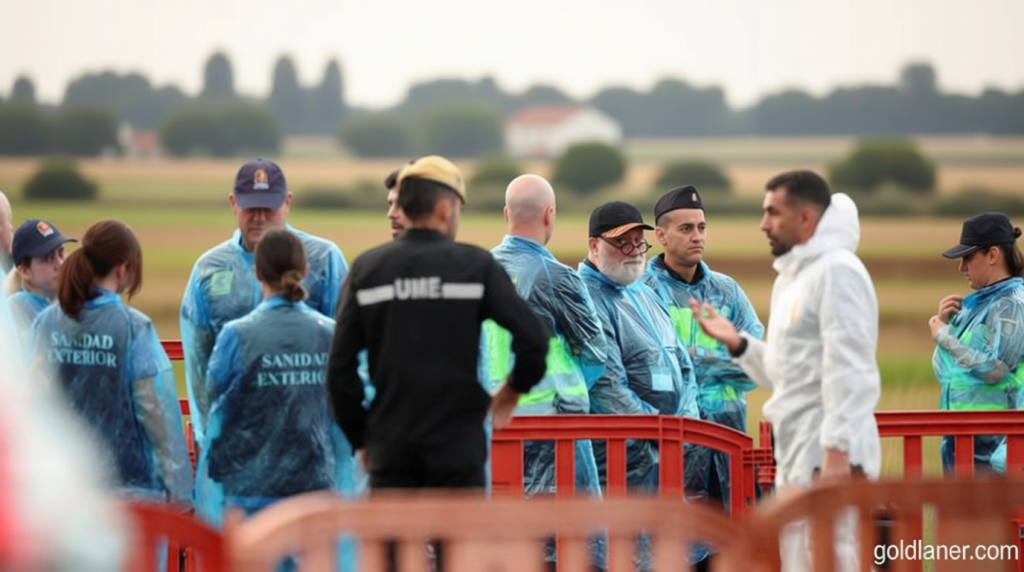
Hantavirus hit cruise passengers arrive in Tenerife – The cruise ship MV Hondius, the epicenter of a hantavirus outbreak, has commenced its docking process at Tenerife, Spain, marking the start of a carefully orchestrated evacuation plan. According to Spain’s health ministry, the repatriation of passengers has begun, with 147 individuals now disembarking the vessel following its arrival on Sunday morning. This operation, involving multiple nations, is being conducted with strict protocols to ensure the safety of all involved. Passengers were transported from the ship, anchored at the Port of Granadilla, to the island in small boats, a measure aimed at minimizing risk during the transfer.
The outbreak, first reported to the World Health Organization on May 2, has raised concerns about public health risks. Despite this, officials insist the threat remains low. The ship’s crew, who had been traveling through various ports, is now being evacuated to the Netherlands, where the vessel will undergo thorough disinfection. Meanwhile, the focus is on the passengers, many of whom have been affected by the virus, which is typically transmitted through exposure to infected rodents’ urine or feces.
Spain’s health minister, Mónica García, confirmed that the disembarkation process is being coordinated with medical assessments. The first group to leave the ship will consist of 14 Spanish passengers, who will be required to wear FFP2 masks as part of the precautionary measures. These individuals will be transported to a military hospital, where they will stay in individual rooms with no visitors allowed. Upon arrival, they will receive a PCR test, followed by a second one seven days later, according to the health ministry.
Other groups, including the two Dutch passengers, will follow in the coming days. The tour operator Oceanwide Expeditions has detailed the evacuation strategy, stating that passengers will be brought ashore by nationality in small boats with a maximum capacity of 10 people. This approach ensures a controlled and efficient process, reducing the potential for cross-contamination. Meanwhile, several nations, including the United States, Germany, France, Belgium, Ireland, and the Netherlands, are preparing aircraft to transport their nationals from the ship.
Among the American passengers, 17 individuals have been identified as part of the evacuation plan. These travelers, who currently show no symptoms, will be taken to the University of Nebraska Medical Center, home to the National Quarantine Unit. A CDC representative explained that the patients will undergo initial screening at the unit before being allowed to return home for 42 days of monitoring. Daily checks are expected to continue during this period, ensuring that any potential symptoms are promptly addressed.
The arrival of the MV Hondius has sparked tensions in the Canary Islands, an autonomous region of Spain. Local leaders, including Fernando Clavijo, had initially expressed opposition to the ship docking in Tenerife, citing concerns over the lack of communication regarding the virus’s risks. Port workers have also joined the fray, holding protests to highlight their worries about the situation. Despite these challenges, the evacuation is proceeding as planned, with officials emphasizing the importance of swift action to contain the outbreak.
Medical teams have been deployed to the ship to conduct tests on both passengers and crew members. The results of these assessments will determine the next steps in the evacuation process. The tour operator has also stated that passengers’ luggage will remain on the vessel for now, to be returned to them once they have been safely disembarked. This step is designed to streamline the process and reduce the burden on the dockside facilities.
As the MV Hondius continues its journey, the focus remains on the health and safety of all individuals on board. The ship’s crew will disembark in Rotterdam, where they will be monitored and then sent back to their home countries. This phase of the operation is expected to conclude once the ship has been fully sanitized and all passengers have been accounted for. The entire process underscores the global response to hantavirus, with countries collaborating to ensure that affected individuals receive timely medical care and are isolated if necessary.
Global Response and Coordination
The hantavirus outbreak has prompted a coordinated international effort, with multiple countries contributing resources to manage the crisis. The United States, for instance, has arranged for flights to transport its nationals, while Spain has taken the lead in organizing the initial evacuation of its citizens. This collaboration reflects the growing awareness of the virus’s potential to spread across borders, particularly during long-haul travel.
García highlighted the meticulous planning behind the repatriation, noting that the sequence of disembarkation is synchronized with the arrival of evacuation flights. This ensures that passengers are not left stranded while awaiting their respective country’s transport. The health ministry has also assured that the ship will maintain a safe distance from the dock during its anchoring, further minimizing the risk of exposure to other individuals.
Medical professionals have been working tirelessly to assess the condition of the passengers, with the World Health Organization providing guidance throughout the process. The organization has stated that the current outbreak is not considered a high-risk event for the general public, but caution is still advised. This assessment is based on the containment measures in place and the progress made in isolating infected individuals.
As the MV Hondius prepares to leave Tenerife, the focus shifts to the next phase of the operation. The ship’s route will take it to Rotterdam, where the crew will be evacuated and the vessel will be disinfected. This step is critical in preventing the virus from spreading further and in preparing the ship for its next destination. The entire process serves as a case study in how international cooperation can address health crises during mass travel.
Public Health Measures and Future Plans
The health ministry has emphasized the importance of public health protocols, particularly in light of the hantavirus outbreak. Measures such as the use of hazmat suits by medical staff and the enforcement of mask requirements for passengers and logistics personnel have been implemented to reduce the spread of the virus. These steps are part of a broader strategy to manage the situation and protect both the passengers and the local population.
The WHO has been monitoring the outbreak closely, providing updates and recommendations to affected nations. While the virus is typically associated with rodents, the outbreak on the MV Hondius highlights the potential for human-to-human transmission, especially in enclosed spaces. This realization has led to increased vigilance in both the maritime and aviation sectors, with health officials advising passengers to remain in quarantine for an extended period.
As the ship moves toward its next destination, the international community remains watchful. The success of the current evacuation effort will serve as a benchmark for future responses to similar outbreaks. With each passenger safely brought ashore, the MV Hondius continues to symbolize the delicate balance between travel and public health, a challenge that requires swift action and global coordination.
Contributions and Ongoing Monitoring
CNN has reached out to the Ports of Tenerife and Fernando Clavijo’s office for further comment on the situation. The report has been compiled by a team of journalists, including Adam Cancryn, Brenda Goodman, Jennifer Hansler, Deidre McPhillips, and Christian Edwards, who have provided detailed accounts of the evacuation process and the challenges faced by the crew and passengers. Their contributions have been essential in bringing the story to light and ensuring that the public is informed about the measures being taken.
The ongoing monitoring of the 17 American passengers at the University of Nebraska Medical Center is a key component of the response. The National Quarantine Unit, which has been operating for years, is now playing a central role in the management of this outbreak. Medical officials have stressed the importance of regular check-ups during the 42-day period, with the goal of identifying any potential symptoms early and ensuring that affected individuals receive prompt treatment.
Spain’s health ministry has also confirmed that the initial 14 Spanish passengers will be the first to leave the ship, with their medical assessments being conducted in a military hospital. This decision was made to prioritize the safety of the local population and to provide a controlled environment for the patients. The subsequent groups, including the Dutch passengers, will follow a similar protocol, ensuring that all individuals on board are adequately cared for.
The MV Hondius’s arrival in Tenerife has not only been a logistical challenge but also a significant event in the context of public health. The vessel, which had departed Argentina last month, has now become a focal point for international cooperation. As the evacuation continues, the incident serves as a reminder of the importance of preparedness in the face of infectious disease outbreaks, particularly in environments where large numbers of people gather.
With the completion of the disembarkation process, the ship will be refueled and prepared for its next leg of the journey. The disinfestation efforts in Rotterdam are expected to take several days, during which time the vessel will be thoroughly inspected and sanitized. This final phase of the operation ensures that the ship is no longer a risk to public health, allowing it to return to service with the knowledge that the outbreak has been contained.
