
Russia’s latest attack on Kyiv was exceptionally deadly – here is why
Russia’s Latest Kyiv Strike Marks a Shift in Warfare Strategy
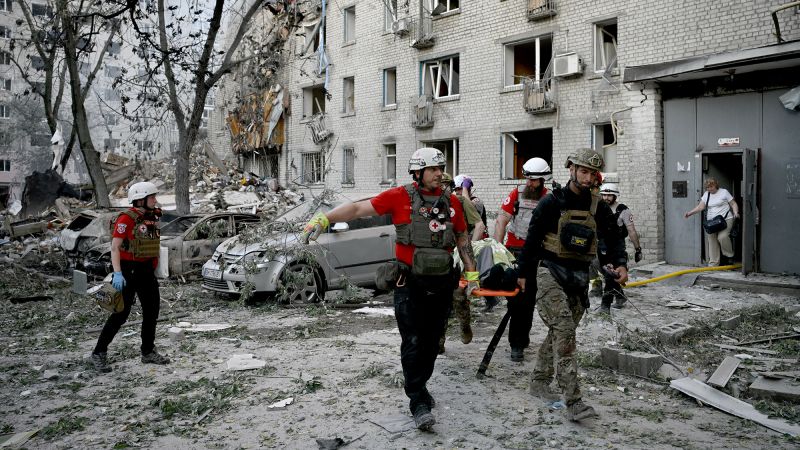
Russia s latest attack on Kyiv – On Thursday, Kyiv experienced a devastating Russian attack that claimed the lives of at least 30 civilians, positioning it as the third most lethal assault on the city since the war began. This unprecedented toll was attributed to the deliberate targeting of residential areas and the deployment of advanced weaponry, including ballistic missiles and jet-powered drones. The Ukrainian Defense Ministry reported that over 90% of cruise missiles and Shahed-type strike drones were intercepted during the strike, yet the damage inflicted underscores a growing concern about Moscow’s evolving tactics.
Targeting Civilian Infrastructure with Precision
The attack highlighted a strategic shift in how Russia is conducting its operations in Ukraine. Unlike previous assaults, which primarily focused on military or industrial sites, this strike emphasized civilian infrastructure. According to Yurii Ihnat, a spokesperson for the Ukrainian Air Force, the enemy’s choice of targets—specifically residential buildings—marked a significant departure from earlier patterns. “The enemy is using them more and more frequently, and the percentage of jet-powered Shaheds in their arsenal is increasing; which depletes (our) resources,” Ihnat stated on Friday. This escalation has forced Ukraine to stretch its already limited defense capabilities, as intercepting faster-moving drones requires different systems and resources.
Among the weapons deployed, the Geran-4 UAV stood out. These jet-powered drones, first observed around the start of the year, can reach speeds of up to 500 kilometers per hour, making them difficult to counter. Their velocity surpasses the response time of Kyiv’s mobile fire units, which are only effective against slower targets. As a result, Ukraine relies heavily on ground-to-air missiles and fighter jets to neutralize them. Ihnat noted that 28 out of the 77 missiles launched during the attack were ballistic missiles, a “very, very high number” compared to prior operations. This suggests a calculated effort to overwhelm Ukrainian air defenses with a combination of high-speed and high-impact ordnance.
Technological Innovations and Civilian Harm
Analysts at the Institute for the Study of War (ISW), a U.S.-based conflict monitoring group, emphasized that Russia’s use of jet-powered drones represents a tactical and technological evolution aimed at maximizing civilian casualties. “Faster-moving drones that are harder for Ukraine to intercept will likely generate increased civilian harm, much as other strike package adaptations have in the past,” the ISW wrote in a report published Thursday. This approach aligns with Moscow’s broader strategy of using drones to bypass traditional air defense systems, ensuring greater precision and less warning for residents.
The Zircon hypersonic cruise missile, another key weapon in the assault, added to the attack’s lethality. Ihnat explained that the Zircon flies at a speed comparable to a ballistic missile, requiring the Patriot system to detect and neutralize it. While Ukraine has deployed several Patriot batteries, the system’s effectiveness is hampered by a critical shortage of missiles. This shortage has been exacerbated by the ongoing conflict in Iran, which diverted some of the initial missile supplies intended for Ukraine. The defense ministry acknowledged this challenge, stating it is working to secure future deliveries but faces an immediate crisis in its ability to sustain current operations.
Supply Challenges and Strategic Stockpiling
Russia’s ability to maintain a high volume of attacks relies on its robust drone production capabilities. The ISW noted that Moscow has been ramping up manufacturing, producing thousands of units monthly. This capacity allows the country to launch large-scale strikes every few days, as seen in its operations between January and May. However, the recent attack on Kyiv suggests a more deliberate preparation, with stockpiling of drones and missiles beginning in June. During that month, Moscow conducted only two major assaults, indicating a buildup for a more intense phase of operations.
The Ukrainian Defense Ministry has taken proactive steps to address the shortage of Patriot missiles, sending letters to nearly 40 countries to request immediate assistance from their existing stockpiles. This move, described as “in exchange for future deliveries already contracted for Ukraine,” reflects the urgency of the situation. Ihnat emphasized that the current attack’s scale and focus on residential areas signal a broader pattern of targeting civilians, which he said was a deliberate choice to “exhaust Ukrainian air defenses.” The ministry’s report of over 130 residential buildings damaged during the strike supports this claim, as the destruction of apartment complexes often results in prolonged displacement and humanitarian crises.
Implications for Urban Warfare and Defense
The attack on Kyiv has reignited debates about the role of drones in modern warfare. While their use in the early stages of the conflict was more limited, Russia’s recent focus on deploying jet-powered models like the Geran-4 demonstrates a shift toward more agile and destructive systems. These drones, which can evade detection and strike with minimal warning, pose a unique threat to urban centers. Their deployment in residential areas not only increases immediate casualties but also complicates evacuation efforts and infrastructure recovery.
Despite the challenges, Ukraine’s defense forces have managed to intercept a significant portion of incoming threats. The 90% interception rate for cruise missiles and Shahed-type drones highlights the effectiveness of their air defense network, even as resources grow tighter. Analysts suggest that the success of these intercepts may be temporary, as Russia continues to refine its attack strategies. The combination of hypersonic missiles and loitering munitions creates a multi-layered threat, forcing Ukrainian forces to prioritize both speed and accuracy in their responses.
President Volodymyr Zelensky has condemned the attack, accusing Russia of systematically targeting civilian infrastructure. His remarks, delivered shortly after the strike, underscored the humanitarian impact of the assault. “The attack damaged more than 130 residential buildings and targeted civilian areas every day,” he said, emphasizing the need for international support to counter Moscow’s aggression. The destruction of a single building housing 64 apartments, which killed several residents and left dozens of families homeless, exemplifies the scale of the toll on everyday Ukrainians.
As the war enters its third year, the tactics employed by Russia reveal a growing emphasis on psychological warfare and sustained pressure. The use of high-speed drones and hypersonic missiles not only challenges Ukraine’s defensive capabilities but also aims to erode public morale. The ISW’s analysis of the attack’s preparation and execution suggests that Moscow is planning for a future where these technologies will be even more integral to its strategy. With the ability to launch frequent strikes, Russia is testing the limits of Ukraine’s resilience and the international community’s willingness to respond with military aid.
In the aftermath of the assault, Kyiv authorities are working to assess the damage and provide aid to affected residents. The focus on residential areas, however, has sparked renewed calls for greater protection of civilian populations. As Ukraine continues to adapt its defenses, the conflict remains a dynamic and evolving struggle, with both sides refining their strategies to gain the upper hand. The recent attack serves as a stark reminder of the stakes involved and the need for sustained efforts to safeguard Ukraine’s cities and people.
