
Iraqi officials arrested on corruption charges in overnight raid in fortified Green Zone
Iraqi Officials Arrested on Corruption Charges in Green Zone Raid
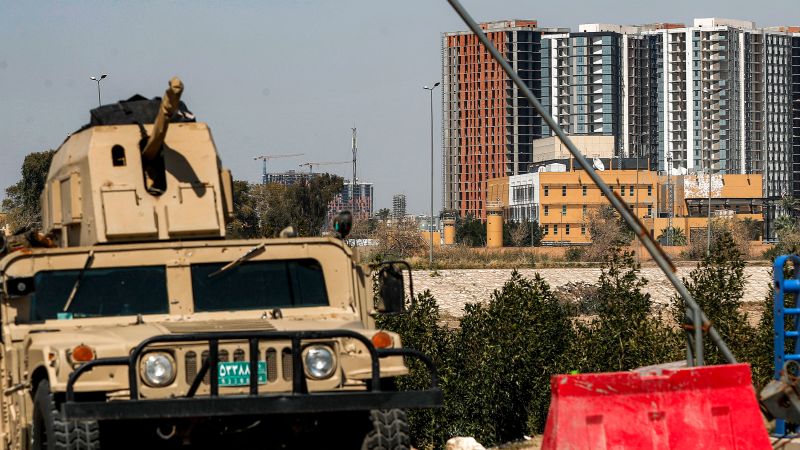
Iraqi officials arrested on corruption charges – In a dramatic overnight operation, Iraqi officials arrested on corruption charges were detained by security forces in a targeted raid within the fortified Green Zone of Baghdad. This sudden action has intensified scrutiny on the country’s political elite, as authorities move to address graft that has long undermined public trust. The operation, which unfolded early Sunday, resulted in the arrest of multiple high-ranking figures, including five members of Parliament, whose parliamentary immunity was revoked prior to the action. According to the Iraqi News Agency, the arrests were initiated following a report from Adnan al-Jumaili, a former Deputy Minister of Oil, who had been detained in a previous investigation.
Focus on Political and Economic Power Centers
The Green Zone, a central hub for government operations and diplomatic missions, was the target of the coordinated effort. Security teams sealed off all entrances to the complex before conducting searches that uncovered evidence of financial misconduct linked to the oil sector. While the specifics of the charges remain under review, the operation underscores a growing campaign against corruption within the political establishment. Analysts suggest the oil industry, a cornerstone of Iraq’s economy, has become a focal point for allegations of mismanagement and embezzlement.
“This operation highlights the government’s resolve to tackle corruption at its core,” said an unnamed official in a statement released by the Iraqi News Agency. “By targeting key figures in the Green Zone, authorities aim to restore public confidence in institutions that have historically been compromised by graft.”
The detained officials include members of the political coalition led by former Prime Minister Mohammed Shia al-Sudani. This coalition, which secured the largest parliamentary bloc in November’s elections, faced internal conflicts over leadership succession. Despite their electoral dominance, the group struggled to agree on a prime minister, leading to a deadlock in the Coordination Framework—a Shiite alliance with Iranian connections. Al-Sudani’s withdrawal from the position allowed Ali al-Zaidi, a businessman with no prior political experience, to emerge as the new leader.
Corruption as a Political Tool
Corruption allegations in Iraq often serve as a weapon in political battles, and this raid exemplifies that trend. High-profile arrests within Sudani’s former administration suggest a broader strategy to weaken rival factions and consolidate power. The involvement of oil sector officials points to economic mismanagement as a central issue, though the full extent of the investigation is still unfolding. The National Counterterrorism Authority confirmed the detention of seven individuals, with ongoing efforts to link their actions to broader systemic abuses.
Public reactions to the arrests have been mixed, with some praising the move as a step toward accountability and others questioning its timing. The operation comes amid economic challenges, including inflation and energy sector inefficiencies, which have fueled discontent among voters. While the government aims to address corruption, critics argue that the process often targets specific groups rather than delivering comprehensive reforms. The U.S. endorsement of Ali al-Zaidi’s leadership adds another layer to the political dynamics, reflecting foreign influence in Iraq’s governance.
Although the immediate impact of the raids is still unclear, their implications for Iraq’s political landscape are significant. The Coordination Framework, once a dominant force, now faces reduced influence as key members are removed. This development may accelerate shifts toward a more consensus-driven government, but it also raises concerns about the stability of power structures. As investigations continue, the focus on corruption in the Green Zone could reshape the balance of authority in Baghdad’s political circles.
