
How Director Pink became Africa’s best-known female music video director
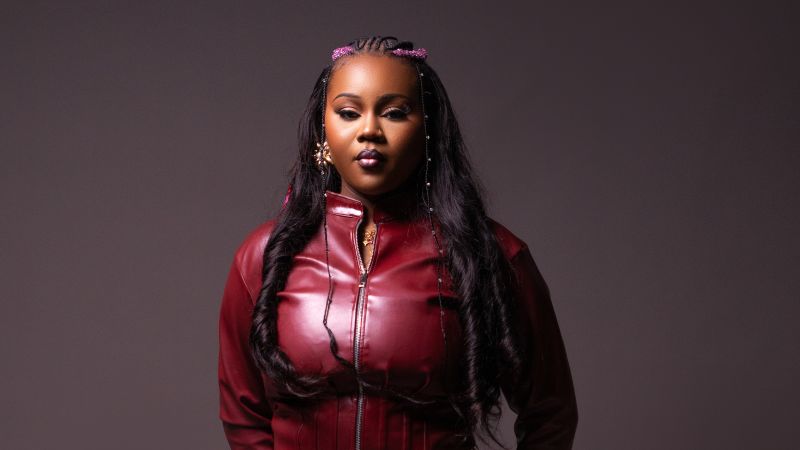
From Lagos to Global Recognition: Director Pink’s Journey as Africa’s Top Female Music Video Director
How Director Pink became Africa s best – Director Pink, whose real name is Praise Onyeagwalam, has become a prominent figure in the African music video scene despite few knowing her actual identity. At just 26 years old, she has directed visual content for celebrated artists such as Wizkid, Naira Marley, Davido, Burna Boy, and Mercy Chinwo. Her work on the track “Egwu” by Afrobeats stars Chike and Mohbad has amassed over 160 million views on YouTube since its release two years ago, shortly after Mohbad’s passing at 27. The video, which blends emotional storytelling with vibrant visuals, was a tribute to Mohbad and a celebration of unity. Pink’s achievement earned her the 2025 Headies Award for Best Music Video of the Year, a milestone that underscores her growing influence in the industry.
A Unique Path to Filmmaking Success
Before diving into the world of visual storytelling, Pink’s academic background in economics from the University of Lagos provided her with a unique perspective on crafting narratives. Her transition into filmmaking was marked by a bold step: enrolling at the London Film Academy, where she honed her skills and began to make waves. In 2021, at the age of 22, she released her first short film, “Lady Koi Koi,” a horror piece inspired by a local urban legend about a vengeful ghost haunting school dormitories. The film’s eerie atmosphere and innovative use of sound, particularly the haunting tap of red high-heeled shoes echoing through the halls, showcased her creative vision and technical ability.
Her career has since evolved rapidly. Pink has not only directed music videos but also founded Pinkline Films, a production company that supports emerging talent and brings her artistic ideas to life. One of her notable projects includes the design of sets for Yemi Alade’s 2024 single “Tomorrow,” a track that played a pivotal role in securing Alade her first solo Grammy nomination in 2025. Pink’s ability to blend cultural elements with modern aesthetics has set her apart, earning her accolades such as the Best Music Video category at the All Africa Music Awards in 2023. Her work on “Spell (Remix)” by Chike & Oxlade also garnered a nomination for the same award at The Headies in the same year.
Breaking Barriers in a Male-Dominated Industry
For Pink, the 2025 Headies win was more than a personal triumph—it represented a shift in the landscape of African entertainment. “Winning the Music Video of the Year award at the Headies was a special moment,” she explained in a recent interview. “It opened the doors for so many other women to really see that they could do this.” This sentiment reflects her broader mission to challenge stereotypes and create opportunities for women in the industry. She often notes that her work is frequently attributed to male directors, a reality she seeks to change through both her artistry and her initiatives.
Pinkline Academy, launched in 2023, is a testament to her commitment to empowering women. The initiative trains young African creatives in filmmaking, with a particular focus on fostering women-led projects and providing mentorship. “I really want to resonate and relate with women,” Pink said. “There are really no young women in the field, especially our age bracket. It was really sad to see, and I was like, you know what? I really need to give. I really need to see how we can create opportunities for the next generation.” Her academy aims to address the gap in resources, offering structured learning and hands-on experience to those who might otherwise rely on YouTube tutorials for guidance.
A Vision for the Future: Expanding Beyond Music Videos
While her work in music videos has already made a significant impact, Pink’s ambitions extend further. She is now eyeing the Nigerian film industry, Nollywood, as her next frontier. “I’ve always wanted to tell stories, and there are film projects coming up soon,” she shared. “There’s also one in the works. It’s a very beautiful story. I can’t wait for people out there to see it.” This transition highlights her desire to diversify her creative output while maintaining the core themes of her work—unity, cultural storytelling, and representation.
Her journey from a Nigerian university student to a globally recognized visual artist is emblematic of a new wave of African creators redefining traditional roles. Pink’s success has not only been a result of her talent but also her determination to carve a space for women in a field that has long been dominated by men. Her projects, such as the “Egwu” video, have resonated with audiences across the continent, proving that African narratives can reach international audiences without losing their authenticity.
Pink’s work has also sparked conversations about the intersection of music and visual art. Her collaboration with artists like CKay, an Emo-Afrobeats star, demonstrates her versatility. CKay’s music has been a key part of the genre’s evolution, and Pink’s contribution to his visuals reflects her ability to adapt to different artistic styles. This adaptability has allowed her to work across genres and cultures, making her a sought-after figure in the industry.
As she prepares to take on new challenges in filmmaking, Pink remains focused on her goals. Her continued presence in the spotlight is not just about personal achievement but about paving the way for others. “I really need to give,” she said, emphasizing her belief in the importance of mentorship and shared success. Her academy and production company are part of this effort, ensuring that future generations of creatives have the tools and confidence to thrive. For Pink, the journey is far from over—her vision for Africa’s creative future is as ambitious as it is inspiring.
Legacy and Impact: Redefining the Industry’s Standards
Director Pink’s influence is not limited to her artistic achievements. She has become a role model for aspiring women in the field, proving that creativity knows no gender. Her work on “Egwu” and other projects has set a new standard for music videos in Africa, combining emotional depth with technical excellence. This has earned her not only awards but also a loyal following among fans and peers alike.
Pink’s efforts to uplift women in the industry have also created a ripple effect. By launching Pinkline Academy, she has provided a platform for young African creatives to develop their skills and gain exposure. This initiative has been particularly impactful in regions where access to formal training is limited. “A lot of us really depended on YouTube tutorials,” she noted. “Pinkline Academy is really bringing out the next generation of creatives across Africa.” Her work in this area has already begun to yield results, with many participants gaining confidence and entering the industry with fresh perspectives.
As the African music and film scenes continue to grow, Pink’s role as a trailblazer becomes increasingly important. Her success in music videos has paved the way for her to explore larger projects, including feature films. This expansion into cinema reflects her aspiration to tell more complex and diverse stories, further solidifying her place in the industry. For Pink, the goal is not just to create art but to inspire change, ensuring that the next wave of African creatives can follow in her footsteps with the same passion and dedication.
In a world where recognition often follows talent, Pink’s journey is a reminder of the power of persistence and innovation. Her ability to blend traditional African narratives with contemporary styles has made her a standout figure. Whether it’s through her videos, her production company, or her academy, she continues to leave a lasting impact on the industry. Her story is one of transformation, proving that with vision and effort, even the most challenging obstacles can be overcome.
