
Why 0.1% of Britons could determine the prime minister’s fate
Why 0.1% of Britons Could Determine the Prime Minister’s Fate
Why 0 1 of Britons could – In a quiet town center far from the opulent chambers of Westminster, a modest community center has become the epicenter of Britain’s political turmoil. The building, with its plain facade and functional layout, is typically reserved for bingo nights, dance classes, and local gatherings. Yet, this unassuming space now hosts the intense campaigning of Andy Burnham, the Greater Manchester Mayor, as he seeks to reclaim a parliamentary seat. If successful, Burnham could position himself as a formidable contender for the leadership of the Labour Party, potentially challenging Prime Minister Keir Starmer’s grip on power. The stakes are monumental, as the outcome of this by-election may ripple through the entire political landscape, reshaping the nation’s future.
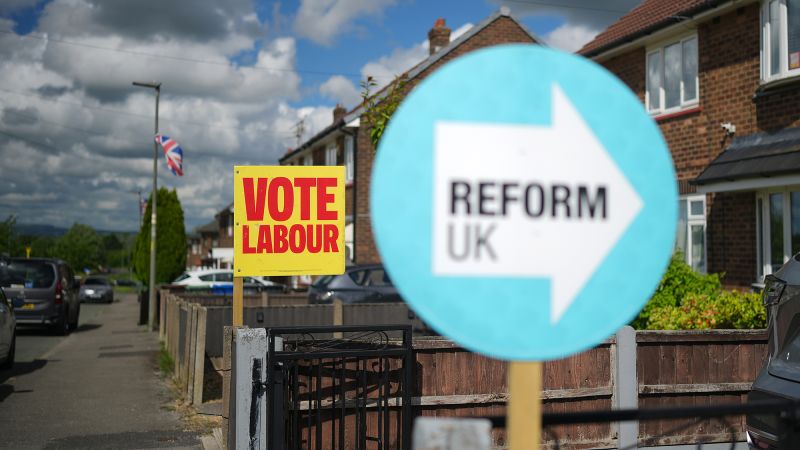
The Makerfield by-election, held in a constituency with an electorate of approximately 76,000, has taken on an almost mythical significance. Voters here, often unaccustomed to high-profile political drama, are now pivotal to the fate of Labour’s governing coalition. The race is not merely about local representation; it’s a referendum on the party’s direction and the leadership of its current leader. Many Labour supporters believe that a fresh face in the top echelons could rejuvenate the party’s fortunes, especially as traditional voter bases begin to splinter. This fragmentation is most evident in constituencies like Makerfield, where once-loyal Labour voters are increasingly drawn to the Green Party or Reform UK, two populist movements gaining traction at the expense of the center-left.
Burnham’s bid for the seat has been a months-long operation, with his campaign team quietly maneuvering to secure support. His allies, including Josh Simons, have been instrumental in rallying the community. However, the path has not been without obstacles. In February, Labour’s governing body initially barred Burnham from running in another by-election, citing concerns about his eligibility. This restriction, though, proved temporary as Burnham’s influence grew. When Simons resigned his seat last month, the decision was a clear signal of the leadership’s waning support. Burnham’s swift selection as the new candidate has turned this seemingly routine local contest into a potential turning point for British politics.
The implications of Burnham’s victory extend beyond the immediate electoral outcome. His success would likely trigger a leadership contest within Labour, challenging Starmer’s position as party leader and, by extension, his role as prime minister. Starmer, who has governed with a substantial parliamentary majority since taking office nearly two years ago, faces mounting pressure. His authority has been eroding, with recent resignations of seven ministers underscoring the growing disillusionment among his own ranks. The May local elections, which dealt a blow to Labour’s electoral prospects, have provided a grim indicator of public sentiment. While these elections do not directly impact the national government, they have exposed a deepening rift in the party’s support base, leaving Starmer in a precarious position.
Outside the bustling town center, the quiet towns that make up Makerfield constituency continue their routines, untouched by the frenetic pace of the campaign. Residents complain about the sheer volume of leaflets and signs appearing on their doors and windows, but the broader impact of the election remains apparent. The town’s unique position, with its rail links to London and high foot traffic, has drawn national attention, transforming it into a microcosm of Britain’s political challenges. Campaigners, activists, and MPs from across the country have flocked to the area, all eager to contribute to the race. This influx of support highlights the gravity of the situation, as Burnham’s campaign is seen as a test case for Labour’s viability in key constituencies.
Within the community center, the air is thick with anticipation. Volunteers work tirelessly to mobilize voters, their efforts driven by the belief that Burnham’s victory could signal a rebirth for Labour. Yet, the race is not without its hurdles. Reform UK’s candidate, Robert Kenyon, has been a persistent threat, leveraging the party’s populist appeal to challenge Burnham’s left-leaning credentials. The Labour faithful, however, remain steadfast, viewing the election as a chance to restore the party’s relevance. For them, the outcome is not just about a single seat—it’s about the future of the Labour Party and the stability of the nation’s leadership.
“Burnham is widely perceived to be the country’s most popular politician,” said a local activist, who requested anonymity. “But unless he’s a sitting MP, he can’t threaten Starmer’s leadership. This by-election is the key to unlocking that change.”
The campaign has drawn comparisons to historical turning points, with some analysts suggesting that this race could be the most consequential in British history. By-elections are typically seen as minor events, used to gauge voter sentiment between general elections. However, the current political climate has elevated Makerfield to a position of national importance. The phrase “bellwether” is often used to describe such elections, but in this case, it feels more like a harbinger of a deeper crisis. Starmer’s leadership, once seen as a sure thing, now hangs in the balance, with the pressure mounting from all sides.
Starmer’s tenure has been marked by a series of policy shifts that have left many questioning his vision. Despite promises of transformative change, his government has struggled to deliver, with several key policies being reversed or abandoned. The lack of a clear mandate has left him with limited tools to boost government spending, further alienating voters who expected more tangible results. This internal conflict has created a vacuum, with Burnham positioned as the candidate who could fill it. His reputation as a pragmatic leader with a strong connection to the working class has made him a compelling choice for those disillusioned with Starmer’s approach.
Burnham and Kenyon have both declined to engage with CNN, prioritizing direct communication with constituents over media interviews. This decision reflects the high stakes of the race, where every word and gesture is scrutinized. Burnham’s focus on the grassroots has been a defining strategy, with his campaign emphasizing local issues and personal connection. Kenyon, on the other hand, has been positioning himself as a modern alternative, appealing to voters who favor a more radical approach to governance. The tension between these two figures has been palpable, with the outcome hinging on the preferences of a relatively small electorate.
As the election day approaches, the question looms: Could this single by-election be the catalyst for a broader political realignment? The answer may determine not only who leads Labour but also whether the nation can sustain its current trajectory. For now, the community center stands as a symbol of this struggle—a place where the fate of Britain’s prime minister is being decided by the will of its voters.
