
Want to save money at the grocery store? It’s harder than you think
Shopping Smart in a Rising Price Environment
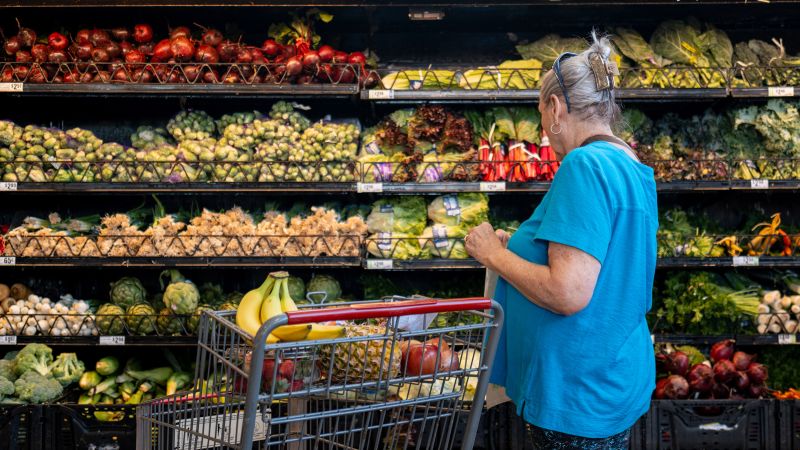
Want to save money at the grocery – The supermarket is a self-contained economic ecosystem, where prices fluctuate based on a mix of global events, seasonal trends, and production challenges. While overall inflation in the U.S. has hit 4.2% this year, grocery costs have only increased by 2.7%, a figure that seems modest at first glance. However, this number masks the complexities of food pricing, as some items have surged dramatically while others have seen little change. Understanding these dynamics can empower shoppers to make more cost-effective choices, even in a market where saving money feels increasingly difficult.
The Produce Aisle: A Mixed Bag of Trends
Fresh produce, often seen as a budget-friendly option, has experienced varied price shifts. On average, fruits have climbed by 2.1% over the past year, which is below the national inflation rate. Yet, certain items like apples have risen more sharply, increasing by 5.6%. This is attributed to their reliance on imports during peak seasons, with rising diesel costs passed directly to consumers. Citrus fruits, such as oranges, have seen an even steeper 6.1% hike due to the persistent citrus greening disease affecting Florida and Brazil.
Vegetables, too, have faced challenges. Prices for fresh produce have surged 11.9%, with tomatoes leading the pack at a 32% increase. The combination of unusually cold winter temperatures, excessive rainfall, and trade barriers has driven up costs for this staple item. Lettuce, another common grocery, has also risen by 24.9%, reflecting similar supply disruptions. In contrast, certain fruits like bananas and potatoes have shown slight declines.
“Tomayto; tomahto,” as the saying goes, but the price of tomatoes has skyrocketed this year, underscoring the unpredictability of fresh produce.
For those seeking affordable options, bananas and potatoes stand out. Their prices have fallen by 0.6% and 1.2% respectively, thanks to bountiful harvests in Idaho and Costa Rica. While banana prices have generally trended upward, the current dip offers a rare opportunity for savings. Potatoes, meanwhile, benefit from stable harvests and efficient supply chains, making them a reliable choice for budget-conscious shoppers.
When It Comes to Coffee and Tea, the Divide is Clear
Coffee lovers may notice a significant increase in their budget. Prices for coffee have jumped by 17.5% over the last year, driven by a combination of tariffs and shifting climate patterns. This makes it more expensive to buy coffee at the grocery store, even if you opt for home brewing. In contrast, tea remains a more economical alternative, with only a 1.4% rise in costs.
The disparity between coffee and tea highlights how external factors influence different products. While the U.S.-Iran conflict has disrupted global trade routes, the impact on coffee is compounded by agricultural challenges. Climate change, for instance, has affected coffee yields, pushing prices higher. Tea, on the other hand, has not faced the same level of supply chain stress, allowing its prices to remain relatively stable.
Meat Prices: A Tale of Two Choices
When it comes to meat, the situation is equally nuanced. Beef prices have risen by 12.9%, fueled by a sharp decline in cattle herds over the past seven decades and prolonged droughts in the southern states. These factors have strained production, leading to higher costs for consumers. Meanwhile, pork has remained more affordable, increasing by just 2.6% annually.
Chicken prices have also dipped, down 0.6% since last year. This follows a severe outbreak of avian flu that disrupted poultry supply chains earlier in the year. However, the cost of chicken remains higher than it was a year ago, meaning shoppers still need to budget carefully.
For those planning summer barbecues, frozen fish might seem like a smarter choice. Despite the 6.5% increase in fresh fish prices, frozen alternatives have risen even faster—7.5% over the same period. This trend suggests that while freezing can preserve freshness, it doesn’t always guarantee lower costs.
Frozen Foods: Stability in a Volatile Market
Canned fruits and vegetables, once thought to be budget-friendly, have also seen modest price increases of 5.2%. Fruits alone account for a 7.1% rise, often due to the same factors affecting fresh produce. Shoppers who rely on canned goods may be surprised to find that their costs have climbed, even as frozen options offer more consistency.
Frozen foods, such as frozen desserts, have fared better. Their prices have risen by just 0.2%, making them an attractive option for those craving sweets without breaking the bank. This stability is partly due to the long shelf life of frozen products, which reduces reliance on immediate transportation and storage costs.
Beyond desserts, frozen vegetables and fruits are often more affordable than their fresh counterparts. The freezing process locks in nutrients, offering health benefits that may offset any minor price differences. For budget-conscious households, this makes frozen items a strategic choice, especially when fresh produce prices are climbing.
Other Considerations: From Eggs to Sweets
Eggs have emerged as a standout deal, with prices dropping 35.2% since the avian flu crisis hit a year ago. This sharp decline is due to improved production and a recovery in chicken populations. While bacon prices have increased slightly—just 1%—cereal remains a more stable option, rising 1.2% annually.
The reason for cereal’s lower price increase lies in its shelf-stable nature. Unlike perishable items, cereal can be stored for extended periods, reducing the impact of fluctuating diesel costs. This makes it a more predictable purchase, even as other groceries continue to see higher expenses.
Sweets, however, have become more expensive. Candy prices have risen 9.3%, with chocolate playing a significant role. Tariffs and climate-related disruptions have driven up the cost of raw materials, pushing confections higher. Shoppers looking to satisfy their sweet tooth without overspending might consider frozen desserts, which have only increased by 0.2%.
Navigating grocery prices requires a balance of awareness and adaptability. While some items are becoming more costly, others offer opportunities for savings. By staying informed about seasonal trends, global events, and production shifts, consumers can make choices that align with their budgets. Whether it’s choosing frozen over fresh or swapping beef for pork, small adjustments can add up to meaningful savings over time.
In a market where inflation is shaping every purchase, the grocery store remains a battleground of rising and falling costs. Understanding these patterns isn’t just about saving money—it’s about making smarter, more informed decisions. As the year unfolds, keeping an eye on these trends will be key to managing household expenses effectively.
