
US files charges against Indian crime boss in assassination that strained Canada-India ties
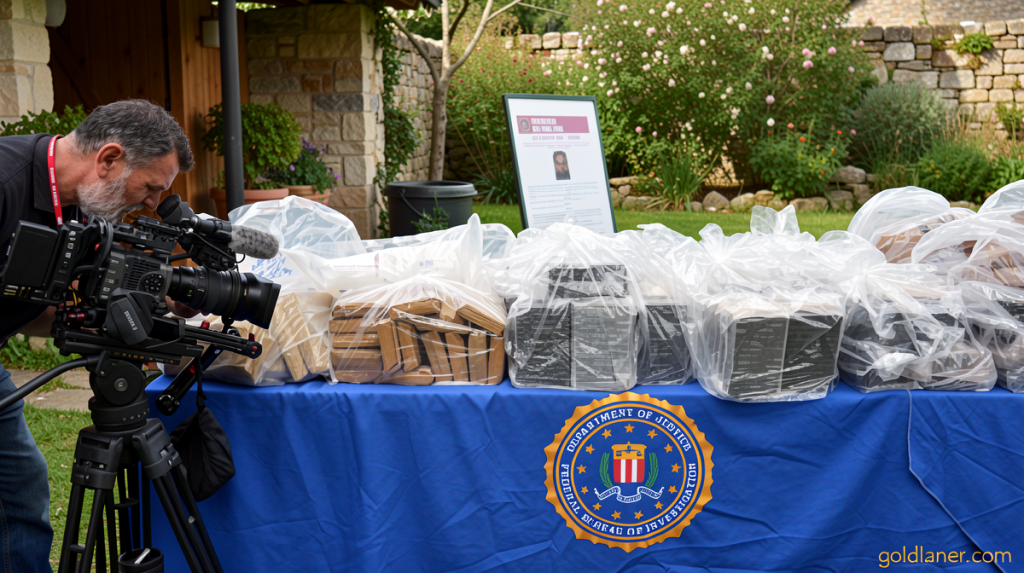
US Files Charges Against Indian Crime Boss in Nijjar Case
Federal Indictment Details Cross-Border Assassination Plot
US files charges against Indian crime – The United States has officially filed charges against Indian crime boss Lawrence Bishnoi and his North American associate in connection with the high-profile assassination of Hardeep Singh Nijjar. This legal action represents a significant development in the case that has strained diplomatic relations between Canada and India since the 2023 killing. The US files charges against Indian nationals and associates as part of a broader investigation into transnational organized crime activities.
According to a federal indictment unveiled in Los Angeles, Bishnoi and Satinderjeet Singh—widely known by his nickname “Goldy Brar”—oversaw the fatal shooting of Nijjar outside a Sikh temple in Surrey, British Columbia. The murder took place on June 18, 2023, when Nijjar was shot dead while leaving his local place of worship. This incident became a major diplomatic flashpoint between the two neighboring nations.
Coordinating the Murder from an Indian Prison
The court documents reveal remarkable details about how Bishnoi directed the assassination while serving time in an Indian correctional facility. Using smuggled mobile phones, the incarcerated crime boss maintained constant communication with his operatives in North America. He provided crucial intelligence to his team, including a photograph of Nijjar and multiple addresses where the activist could be found.
Singh, who has a long-standing personal connection with Bishnoi dating back to their childhood, managed the North American operations of what is now known as the “Lawrence Bishnoi Organized Crime Group.” His role was instrumental in planning and executing the cross-border murder that would eventually draw international attention.
Diplomatic Tensions and Official Responses
The killing of Nijjar triggered an immediate diplomatic crisis between Ottawa and New Delhi. Canadian Prime Minister Justin Trudeau announced that law enforcement agencies were “actively pursuing credible allegations” linking Indian government officials to the assassination. This statement came several months after the shooting and raised serious questions about potential state involvement.
“Actively pursuing credible allegations”
New Delhi quickly rejected these claims as unfounded and excessive. Notably, the current US indictment against Bishnoi and Singh does not allege any direct involvement by Indian government officials in the killing. The charges focus primarily on the criminal syndicate’s role in orchestrating the murder.
Background on Hardeep Singh Nijjar
Hardeep Singh Nijjar was a Canadian citizen who had become a prominent voice for Khalistan, an independent Sikh state separate from India. Indian authorities had previously classified Nijjar as a terrorist and detained him in India before he returned to Canada. His activism made him a target for various groups opposed to the Khalistan movement.
Expanding Investigation and Additional Defendants
The charges against Bishnoi and Singh constitute only one element of a comprehensive investigation involving both American and Canadian authorities. This extensive probe led to charges against 37 defendants associated with three major India-based organized crime syndicates. The charges encompassed racketeering, extortion, and drug trafficking offenses. Authorities confirmed that 24 of these defendants had been either arrested or were already in custody.
In May 2024, Canadian law enforcement arrested and charged four Indian nationals in relation to Nijjar’s death. Investigators are currently examining whether these individuals maintained connections to the Indian government. The US indictment does not name the actual shooters as individual defendants; instead, it refers to them collectively as co-conspirators in the plot.
Improving Canada-India Relations Under New Leadership
Diplomatic relations between Ottawa and New Delhi have demonstrated signs of recovery under Canadian Prime Minister Mark Carney. Carney traveled to India in February for his inaugural official visit to the country. During this trip, he began discussions regarding a potential trade agreement that is expected to be completed by November 2026.
Despite these positive developments, Carney’s diplomatic strategy has encountered criticism from certain Sikh organizations. These groups contend that Ottawa has not adequately held India accountable for actions impacting the Sikh community. They also argue that the government has not sufficiently protected Sikh Canadians from foreign interference and transnational repression.
Neither First Assistant US Attorney Bill Essayli nor any other official at the Los Angeles press conference indicated that the Indian government participated in or possessed knowledge of the killing. The US files charges against Indian crime figures as part of its ongoing effort to combat transnational criminal organizations operating across borders.
