
US deports Venezuelans for the first time since deadly earthquakes in June
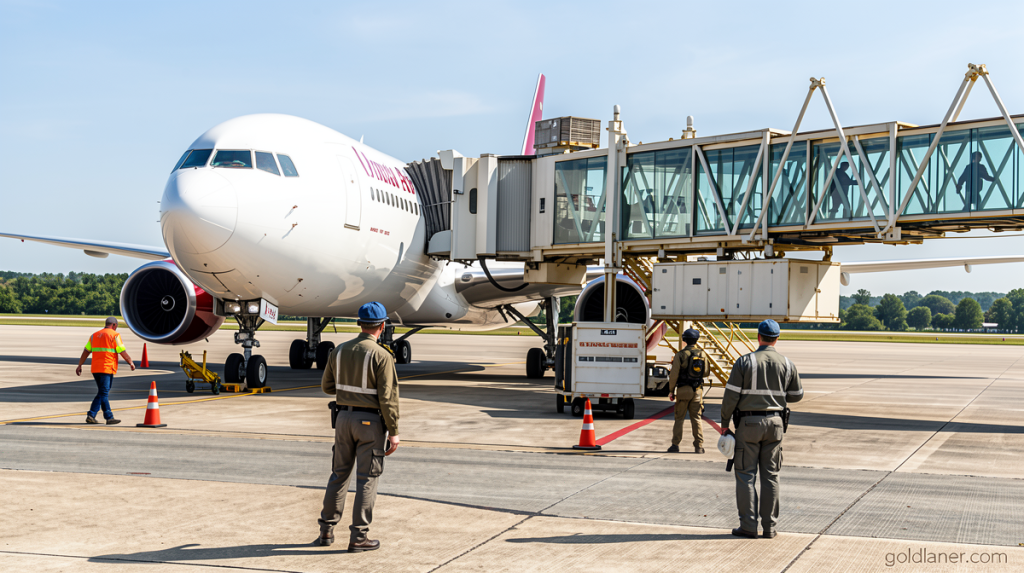
First Venezuelan Repatriation Flight Since June Earthquakes Returns Migrants to Caracas
Goldlaner.com – A US government aircraft touched down in eastern Venezuela on Monday, carrying 147 citizens who had been living abroad, marking the first repatriation flight since catastrophic earthquakes devastated the South American nation in late June. The arrival represents a significant moment in US-Venezuela migration relations, as the Trump administration resumes its deportation operations following a temporary pause caused by the natural disaster.
A Brief Hiatus in Deportations
Before the seismic events of June, the Trump administration had been conducting a vigorous deportation campaign, sending hundreds of Venezuelans back to their homeland each week. This steady stream of removals came to an abrupt halt when two consecutive earthquakes, each registering above magnitude 7, struck the country. The twin disasters claimed more than 6,000 lives and left entire regions in ruins, prompting Washington to suspend its deportation flights while the situation on the ground was assessed.
The timing of the pause proved particularly poignant. The previous deportation flight, which carried 146 Venezuelans, had landed in Venezuela just hours before the earthquakes struck. Tragically, many passengers from that flight perished when a hotel where they were being accommodated collapsed during the tremors. This unfortunate coincidence underscored the human toll of both the disaster and the deportation process itself.
Monday’s Flight and Its Significance
The latest repatriation flight departed from Miami and landed at General José Antonio Anzoátegui International Airport in the city of Barcelona, located in Anzoátegui state. This choice of airport differed from the pre-earthquake flights, which typically used the country’s main hub, Simón Bolívar International Airport. That primary airport sustained considerable damage during the earthquakes, necessitating the use of alternative landing sites for subsequent flights.
Officials from the Department of Homeland Security confirmed the successful completion of the operation. A spokesperson emphasized that operational security considerations would prevent the confirmation of future removal flights, maintaining discretion in their ongoing deportation efforts.
For operational security reasons, we would not confirm future removal operations.
Warm Welcome for Returning Citizens
On the Venezuelan side, Mervin Maldonado, who leads the repatriation program, issued a statement welcoming the returning migrants. He framed their return as a positive development, noting that they were coming home to reunite with families, resume their education, and contribute to the nation’s recovery and development.
They are returning home, to reunite with their families, to continue their education, to be productive, and to contribute to national development.
Context of Venezuelan Migration to the United States
The millions of Venezuelans who have sought refuge abroad have fled a combination of economic collapse and political repression. Many undertook perilous journeys through Central America and Mexico to reach the United States, where they found temporary protection under the Temporary Protected Status program. This humanitarian relief measure, however, faced a significant setback in October when the Supreme Court permitted the Trump administration to terminate TPS for approximately 300,000 Venezuelan migrants.
Following this decision, deportation numbers increased substantially. ICE Flight Monitor data shows that 1,746 Venezuelans were deported in May alone, representing a month before the earthquakes disrupted operations. The resumption of flights on Monday marks the 165th such operation since early 2025, when Caracas and Washington reestablished their deportation agreement.
Political Shifts and Recovery Prospects
The political landscape in Venezuela has undergone dramatic changes in recent months. In January, the Trump administration conducted a military operation that resulted in the capture of President Nicolás Maduro. Following this development, deportation flights were expanded under the leadership of acting President Delcy Rodríguez, who has pursued a more conciliatory approach toward the United States.
Rodríguez has initiated efforts to restore diplomatic relations with Washington, including opening Venezuela’s oil sector to American investment, releasing political prisoners, and aligning her government with regional initiatives supported by the United States. These diplomatic overtures come as Venezuela faces a challenging multi-year recovery period. The earthquakes have devastated entire regions and caused economic damage equivalent to 6 percent of the country’s gross domestic product, according to the United Nations Development Programme.
The resumption of deportation flights signals a new phase in US-Venezuela relations, one characterized by both continued enforcement of immigration policy and growing diplomatic engagement between the two nations as they navigate the aftermath of both political upheaval and natural disaster.
Related Reading
Frequently Asked Questions
What is US deports Venezuelans for the first?
US deports Venezuelans for the first is the main topic of this guide. The article explains the context, practical details, and next steps readers should understand.
Why does US deports Venezuelans for the first matter?
US deports Venezuelans for the first matters because readers are looking for a useful answer, not just a short summary. Good content should match search intent and help them decide what to do next.
