
Nearly 80% of interceptors for a key missile defense system depleted, sources say
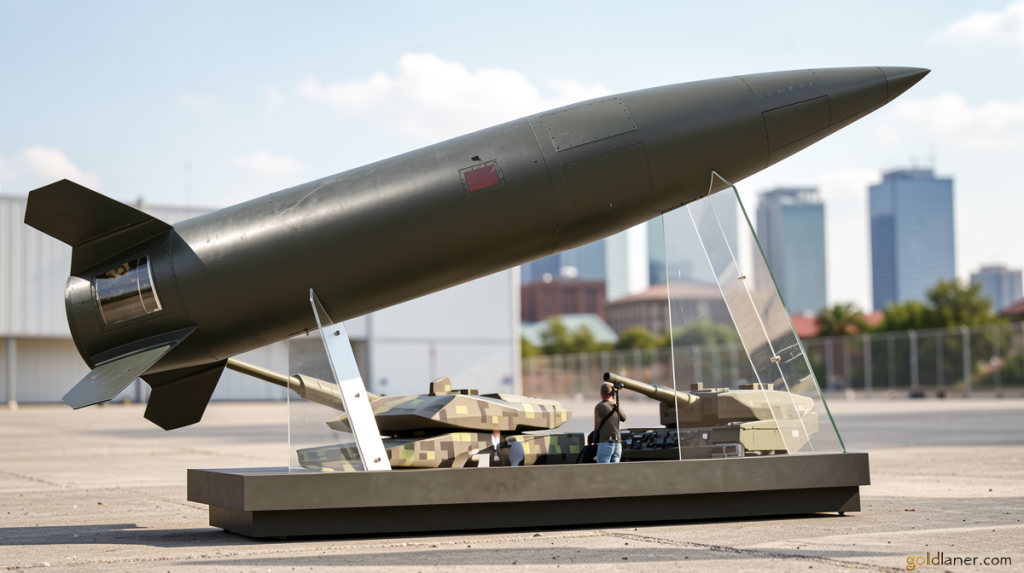
Missile Defense Stockpiles Face Critical Shortages Amid Iran Conflict
Goldlaner.com – America’s military is confronting a significant depletion of its most critical missile defense assets as hostilities with Iran continue to escalate. Senior defense officials have characterized the Pentagon’s current munitions reserves as dangerously low, with certain categories of interceptors running particularly thin after sustained combat operations. The THAAD (Terminal High Altitude Area Defense) system has experienced the most dramatic drawdown, with nearly four-fifths of its pre-conflict inventory now consumed. Patriot missile batteries have similarly seen their stocks halved since the beginning of active engagement.
Before the current crisis began, the Center for Strategic and International Studies calculated that American forces maintained approximately 2,200 Patriot interceptors—specifically the platform’s two most advanced variants—alongside 452 THAAD missiles. These figures now represent a stark contrast to current operational levels, with the THAAD shortfall being a revelation that has not been publicly disclosed until now. The US Army has additionally expended virtually all of its precision long-range surface-to-air weapons throughout the ongoing confrontation.
Gulf Allies Express Growing Anxiety
Nations across the Persian Gulf have voiced renewed apprehension regarding how diminished American air defense capabilities might affect regional security. Several allied countries depend heavily on US-supplied interception systems and have acknowledged that the current stockpile shortage could impair their capacity to defend against potential Iranian counterattacks. This concern is particularly acute given the possibility that Gulf states could become secondary targets if Washington chooses to intensify military operations against Iran.
The timing of these concerns proved significant. Defense leaders raised the stockpile issue again before President Trump’s decision last weekend to halt additional strikes on Iran. This marked at least the second occasion in recent weeks that Trump’s top military advisors have explicitly highlighted dwindling munitions during deliberations about potentially expanding the conflict. The combination of ammunition concerns and intelligence regarding the consequences of targeting Iran’s critical infrastructure—including energy facilities—helped persuade even the administration’s most aggressive advisors to pause planned operations.
The Decision to Stand Down
On Friday, President Trump was prepared to authorize sweeping military strikes. Defense Secretary Pete Hegseth had received the final authorization to proceed. However, conversations with Middle Eastern partners on Saturday revealed deep fears about Iranian retaliation, particularly against Gulf energy infrastructure. Trump listened to these concerns and made a consequential choice. Iran, for now, remains outside the immediate crosshairs. He directed Hegseth to hold position, though he made clear that the planned strikes remain available for future execution.
White House spokesperson Anna Kelly emphasized that the military possesses sufficient resources to meet all of the President’s strategic objectives. “Operation Epic Fury has exposed what happens when you mess with the United States,” Kelly stated. “Even still, the President has urged our defense contractors to constantly produce more made-in-America weapons, which are the best in the world.”
“America’s military is the most powerful in the world and has everything it needs to execute at the time and place of the President’s choosing. We have executed multiple successful operations across combatant commands while ensuring the U.S. military possesses a deep arsenal of capabilities to protect our people and our interests.”
Broader Strategic Implications
Chairman of the Joint Chiefs Gen. Dan Caine also brought attention to the stockpile situation during a White House meeting late last month, where military escalation options were thoroughly examined. Another dimension of concern involves the potential for substantial civilian casualties should the United States resume large-scale combat operations within Iranian territory. These persistent warnings about ammunition levels underscore the gravity of current shortages and raise questions about America’s capacity to sustain prolonged military action against Iran.
The situation reflects a broader challenge facing modern military operations: the tension between rapid deployment capabilities and sustained combat readiness. While the United States maintains technological superiority and operational flexibility, the consumption rate of precision munitions during extended conflicts demands careful management. Defense contractors have been encouraged to accelerate production, but rebuilding depleted stockpiles requires time and resources that cannot be rushed.
For Gulf nations, the implications extend beyond immediate security concerns. Their defense architectures increasingly rely on American systems and American willingness to project power. Any perception that US capabilities are stretched thin could influence regional alliances and security commitments. The current pause in operations provides an opportunity for replenishment, but the window for rebuilding may not remain open indefinitely if diplomatic tensions continue to evolve.
As the situation develops, all eyes remain on Washington. The President has signaled that military options are not exhausted, only delayed. The question now centers on timing—when and under what conditions the United States might resume operations, and whether the military can maintain its readiness while its most critical interceptors are being replenished.
Related Reading
Frequently Asked Questions
What is Nearly 80 of interceptors for a key?
Nearly 80 of interceptors for a key is the main topic of this guide. The article explains the context, practical details, and next steps readers should understand.
Why does Nearly 80 of interceptors for a key matter?
Nearly 80 of interceptors for a key matters because readers are looking for a useful answer, not just a short summary. Good content should match search intent and help them decide what to do next.
