
Teenager dies after being thrown from horse-drawn carriage in NYC’s Central Park
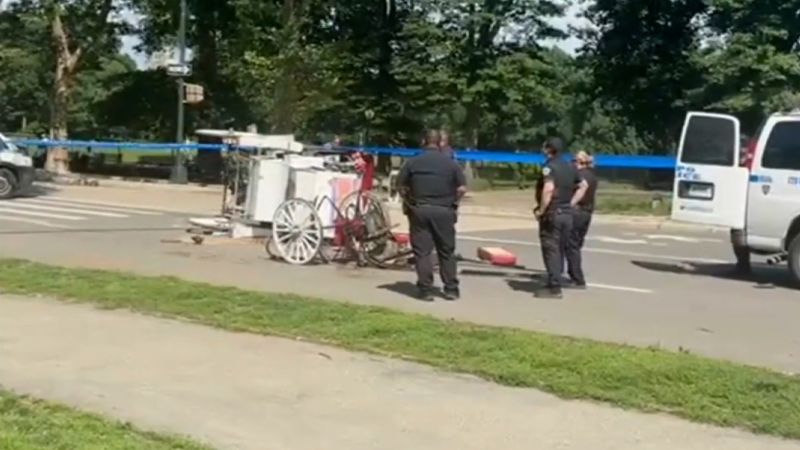
Teenager Dies After Being Thrown From Horse-Drawn Carriage in NYC’s Central Park
Accident Claims Life of 18-Year-Old Passenger
Teenager dies after being thrown – A 18-year-old teenager was fatally injured after being thrown from a horse-drawn carriage in Central Park on Wednesday. Local authorities confirmed the death following the incident, which occurred just before 3 p.m. The victim was among four passengers in the carriage at the time, according to the New York Police Department. While the teenager was initially hospitalized in critical condition, the other passengers opted to decline medical treatment.
Union Representative Highlights Protocol Violation
The Transport Workers Union, which represents employees in the carriage industry, stated that the horse had been in Central Park for only six weeks. A representative for the union’s local chapter, Alexander Kemp, explained that the driver had dismounted to take a photograph of the passengers. “A driver is not supposed to leave the carriage to take photos — ever,” Kemp emphasized. This action, he noted, disrupted the horse’s balance and contributed to the accident. The union called for a thorough investigation into the incident to determine full accountability.
Video Evidence Captures Chaotic Moments
Footage from the scene shows the horse suddenly bolting across the park, causing two passengers to leap from the four-wheeled carriage. A second video captured the carriage overturning after colliding with another carriage on the park’s bustling loop. These visuals have intensified public debate over the safety of horse-drawn carriages in a heavily trafficked area. The incident marks the latest in a series of alarming events involving the industry, which has faced increasing scrutiny in recent months.
Central Park Conservancy Urges Immediate Ban
The Central Park Conservancy, the nonprofit organization responsible for managing the park, has long advocated for a ban on horse carriages. The group first supported the measure last summer, citing concerns about the welfare of the animals and the risks posed to visitors. A spokesperson for the Conservancy stated that the back-to-back incidents should serve as a catalyst for ending the industry. “This frightening situation, occurring just days after a previous horse-related fatality, underscores the dangers that horse carriages present to both the public and the animals,” the statement read. The organization hopes these events will lead to a definitive resolution.
Historical Context and Industry Challenges
Horse-drawn carriages have been a staple of Central Park since its opening in 1858, offering a nostalgic mode of transportation for tourists and locals alike. However, their continued operation has sparked controversy, particularly after the fatal collapse of a horse last week. This incident, combined with the recent accident, has fueled calls for stricter regulations or an outright prohibition. Critics argue that the carriages are not only dangerous but also contribute to the physical strain on the animals, especially during the hot summer months.
Public Reaction and Safety Concerns
Residents and visitors have expressed growing unease over the safety of the carriage rides. The recent incident has highlighted the risks associated with the industry, particularly in a space that sees thousands of people daily. While some defend the carriages as a cultural tradition, others point to the increasing frequency of accidents as evidence of a systemic issue. “These events are a wake-up call for everyone involved,” said a local park visitor. “We need to prioritize safety over spectacle.”
Regulatory and Operational Debates
The carriage industry operates under a complex set of rules, balancing historical charm with modern safety standards. Critics claim that drivers often take risks, such as dismounting during motion, to enhance the experience for passengers. The Central Park Conservancy has proposed a ban, arguing that the industry’s practices endanger both humans and horses. Meanwhile, industry advocates emphasize the economic benefits of carriages, including jobs for drivers and a unique tourist attraction.
Investigation and Future Implications
Following the accident, authorities have launched an investigation to examine the cause and contributing factors. Key questions include whether the horse’s behavior was due to fatigue, improper handling, or external interference. The incident also raises concerns about the reliability of the carriage operators, with some calling for more rigorous training or safety checks. As the investigation unfolds, the debate over the industry’s future in Central Park is expected to intensify.
Comparative Analysis of Recent Incidents
The accident on Wednesday follows several other notable incidents involving horse-drawn carriages. Last week, a horse collapsed during a ride, resulting in the death of a passenger. These consecutive events have underscored the need for immediate action. While the carriage industry has operated for over 150 years, its survival now hinges on addressing safety concerns. The Central Park Conservancy’s push for a ban has gained momentum, with supporters citing the recent tragedies as justification for ending the practice.
Impact on Tourism and Local Economy
Despite the rising concerns, horse-drawn carriages remain a popular attraction for visitors seeking a quintessential New York experience. The industry employs dozens of workers and contributes to the park’s tourism revenue. However, the recent incidents have led to questions about whether the risks outweigh the benefits. Some tourists have canceled reservations, while others have called for improved oversight. “I’ve always loved the charm of the carriages, but now I’m worried,” said a visitor.
Broader Implications for Urban Mobility
The debate over horse carriages reflects a larger conversation about urban transportation and safety. While the carriages offer a scenic alternative to modern vehicles, their use in crowded areas like Central Park raises concerns about pedestrian safety and animal welfare. The incident has prompted discussions about whether the industry should be regulated more strictly or replaced with alternative options. Advocates for the ban argue that the risks are too high, especially in a space where accidents can have severe consequences.
Call for Comprehensive Safety Measures
In response to the recent tragedy, the Central Park Conservancy has urged the city to implement comprehensive safety measures. This includes stricter regulations on driver behavior, regular inspections of the horses, and the introduction of safer carriage designs. The union representative, Alexander Kemp, reiterated the need for accountability, stating, “We support a full investigation to understand how such a preventable incident could occur.” The discussion is expected to continue as the city weighs the future of the carriage industry against the safety of its visitors.
Conclusion: A Tipping Point for the Industry
The death of the 18-year-old passenger marks a pivotal moment for Central Park’s horse-drawn carriage industry. With increasing pressure from advocates and the public, the industry must adapt or face potential decline. While the tradition of carriage rides has long been a symbol of New York’s heritage, the recent events highlight the urgent need for change. As the city moves forward, the balance between preserving history and ensuring safety will be tested. The incident serves as a reminder that even in a well-established system, risks can escalate quickly, demanding immediate attention.
