
Swimmer bitten on the foot at New York City beach in a suspected shark attack
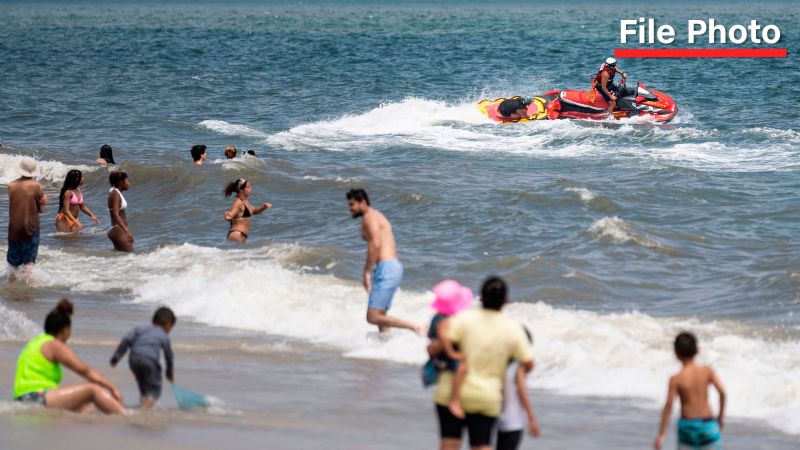
Swimmer Bitten on the Foot in Suspected Shark Attack at New York City Beach
Incident Details and Immediate Response
Swimmer bitten on the foot at New – A New York City beach was temporarily closed Friday after a swimmer was reportedly bitten on the foot in what is believed to be a shark attack, according to the New York City Parks Department. The incident occurred at Jones Beach State Park Field 6, where the victim sustained lacerations to their lower limb. Lifeguards at the scene responded swiftly, providing emergency assistance before the individual was transported to a hospital by ambulance for treatment. Officials stated that the injuries were not life-threatening, though the situation raised concerns about marine safety in the area.
The closure of the beach followed a routine inspection by authorities, who deployed equipment to search for sharks and other potentially hazardous marine creatures. After an hour of scanning the waters, no sharks or dangerous species were detected, prompting the resumption of swimming activities with restrictions. Visitors were advised to limit their movements to shallow waters up to the waist, as a precautionary measure. This decision underscored the ongoing vigilance required to ensure public safety in the wake of recent sightings.
Shark Sightings and Regional Impact
Shark activity in New York City and Long Island waters has intensified in recent days, with multiple sightings reported across several beaches. On Thursday, officials noted an uptick in shark encounters, particularly at Rockaway Beach in Queens, where intermittent closures were enforced. Similar reports emerged from Point Lookout and neighboring Hempstead beaches, where lifeguards swiftly evacuated swimmers after spotting a shark in the ocean. These sightings prompted heightened awareness among beachgoers and local authorities, leading to additional safety protocols.
The increased number of shark reports has been attributed to the use of drones for surveillance, a strategy that has become more common in monitoring coastal waters. Drones equipped with cameras allow for real-time tracking of marine life, helping to identify potential threats before they escalate. However, despite these efforts, shark attacks remain uncommon, even in regions where sharks are regularly observed. The recent events, though alarming, have not disrupted the overall pattern of infrequent bites.
Heatwave Driving Beach Crowds and Activity
Record-breaking heat across the eastern United States has contributed to a surge in visitors to coastal areas, including New York City beaches. The persistent warmth has created ideal conditions for swimming, drawing large crowds to the shores. While the influx of people increases the likelihood of incidents, it also highlights the popularity of these recreational spots during extreme weather conditions. The combination of high temperatures and active marine life has placed additional pressure on lifeguards and emergency services to manage safety effectively.
Officials have emphasized the importance of staying informed about local conditions, particularly when sharks are in the vicinity. At Jones Beach, the closure was a direct response to the sighting of a shark, which, while not confirmed as the attacker, prompted immediate action. The temporary restrictions aim to balance the need for public access with the risk of encountering predatory species. As the weather remains hot, the likelihood of continued activity in the water is high, making proactive measures essential.
Expert Insight on Shark Behavior and Rarity of Attacks
Experts have noted that while shark sightings have become more frequent in recent months, actual attacks remain relatively rare. Gavin Naylor, director of the Florida Museum of Natural History’s shark research program, explained this phenomenon to The Associated Press. He stated that between 60 and 80 unprovoked shark bites are recorded worldwide each year, with most incidents occurring in tropical or subtropical regions. “It’s extremely rare for two or more people to be bitten in close proximity,” Naylor added, underscoring the unusual nature of the recent event.
The rarity of shark attacks has been reinforced by the fact that most encounters are brief and non-lethal. Sharks, which are often found in the waters off the U.S. coast, typically avoid human contact unless certain conditions are met, such as the presence of prey or navigational errors. The recent attack at Jones Beach, though notable, aligns with the broader trend of sporadic incidents. Experts also pointed out that the use of technology, like drones, has enhanced the ability to detect sharks, reducing the chance of unexpected encounters.
Authorities have been working closely with marine biologists to assess the current situation and determine if there are any broader patterns to the sightings. While the heatwave may have influenced marine behavior, it is not yet clear whether this is the primary factor. The Parks Department has also called for continued public education on how to react in case of a shark encounter, including staying calm and avoiding sudden movements. These steps are part of a larger effort to ensure that beachgoers can enjoy the water safely.
As the summer season progresses, the risk of shark activity is expected to remain a topic of interest. With more people flocking to the coast for recreation, the potential for interactions between humans and sharks will continue to be monitored closely. The incident at Jones Beach serves as a reminder of the unpredictable nature of these creatures, even in areas where they are commonly found. While the immediate threat has been addressed, the broader implications for marine safety and public awareness are being discussed among officials and researchers alike.
The Parks Department has also highlighted the importance of environmental factors in influencing shark behavior. Warmer ocean temperatures can affect the distribution of fish and other prey, which in turn may alter the movement patterns of sharks. This dynamic is being studied to better predict when and where such encounters might occur. In addition, the use of drones has proven invaluable in tracking sharks and providing early warnings to beachgoers.
As the situation unfolds, authorities are preparing for potential future incidents by implementing additional safety measures. These include enhanced monitoring during peak hours and increased lifeguard presence at high-risk locations. The temporary closure at Jones Beach was a timely response to the immediate danger, but it also reflects the proactive approach needed to manage such events. While the current incident has not led to widespread panic, it has sparked renewed discussions about the importance of marine safety protocols in densely populated coastal areas.
Residents and visitors are encouraged to stay informed about local advisories and to follow the guidance of lifeguards. The New York City Emergency Management team has issued reminders to beachgoers, urging them to remain cautious and to report any unusual activity in the water. These precautions are meant to ensure that the public remains safe while enjoying the recreational opportunities offered by the beaches.
With the ongoing heatwave and increased shark sightings, the combination of factors has created a unique scenario for the region. While the likelihood of another attack remains low, the vigilance of authorities and the community is critical in preventing further incidents. The events at Jones Beach have also prompted a review of existing safety measures, with plans to improve response times and increase public awareness in the coming weeks.
