
Small plane makes hard landing into New York’s East River, officials say
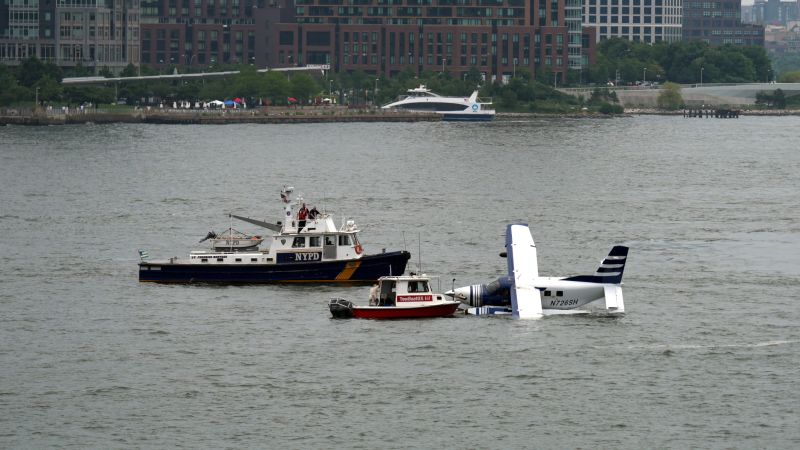
Small Plane Makes Hard Landing in New York’s East River
Incident Overview
Small plane makes hard landing into – A small seaplane experienced a challenging touchdown in the East River, located between Brooklyn and Manhattan, shortly after noon on Sunday, July 5, 2026, as confirmed by New York officials. The aircraft, which landed upright in the water, came to rest near the area of the Williamsburg Bridge. Emergency responders from the New York City Fire Department (FDNY) were swiftly dispatched to the scene, where they began extracting eight individuals from the plane. Among the passengers, two sustained minor injuries but opted to forgo medical care at the location.
The FDNY received the initial alert at 12:01 p.m., just one minute after the incident occurred. Firefighters and paramedics worked together to ensure the safety of all onboard, with the plane’s occupants being transported to a secure point. While the exact cause of the hard landing remains under investigation, the Federal Aviation Administration (FAA) has noted that a wing strut fractured during the event, potentially contributing to the plane’s instability. This detail was shared through a statement from the FAA, which will take the lead in examining the circumstances surrounding the crash.
Rescue and Response Efforts
The emergency response included coordination between multiple agencies. As the seaplane settled in the river, an NYPD helicopter was recorded responding to the scene via audio from ATC.com. The pilot of another aircraft, which had been in proximity, transmitted a mayday call, alerting authorities to the situation. “Mayday, mayday, mayday,” the pilot said, before reporting, “Plane down in the water.” This urgent communication prompted a rapid deployment of resources to the area.
Upon arrival, the NYPD helicopter crew observed two boats approaching the downed aircraft. According to the audio log, the helicopter pilot reported, “It looks like the pilot is OK,” indicating that the primary concern was the safety of the occupants rather than immediate danger to the surrounding environment. The FDNY’s involvement was critical in securing the scene and facilitating the evacuation of the eight individuals. No further details on the passengers’ conditions were released at the time of the report.
Flight Timeline and Aircraft Details
Flight records provided by the FAA reveal that the seaplane had departed from the Town of East Hampton Airport at 11:24 a.m. on the same day. The aircraft’s route and destination were not immediately disclosed, though it was likely en route to a nearby docking facility in Manhattan or Brooklyn. The precise reason for the diversion to the East River remains unclear, but officials have confirmed that the pilot’s decision to land there was made under difficult conditions.
The seaplane in question is a Kodiak 100 model, which was constructed in the previous year. The FAA’s ownership records do not specify the identity of the aircraft’s operator, leaving the question of its registration and pilot background open for further inquiry. This information was shared with the public, though no official statements have been made regarding the owner’s connection to the incident. The FAA’s investigation will focus on both the mechanical aspects of the aircraft and the pilot’s actions leading up to the crash.
Additional Context and Story Updates
The incident has sparked renewed interest in the safety protocols for seaplane operations in New York City. The East River, known for its frequent use by seaplanes, serves as a critical route for both commercial and private flights. However, the sudden hard landing has raised questions about the challenges pilots face in navigating the area, particularly during adverse weather conditions or unexpected mechanical failures.
CNN has updated its coverage of the event with additional insights, clarifying that the mayday call was not issued by the plane’s pilot but by a separate aircraft operator. This correction addresses a previous error in the report, which had mistakenly attributed the distress signal to the pilot of the downed seaplane. The revised information underscores the complexity of coordinating responses during such incidents, where multiple aircraft may be involved in real-time communication.
The current status of the plane shows it is being towed back to a dock for further inspection. The process, which involves specialized equipment, is expected to take several hours. During this time, investigators will examine the aircraft’s condition and gather data to determine the cause of the hard landing. The FAA’s report highlights the importance of structural integrity in seaplane design, particularly given the vessel’s exposure to water and varying environmental factors.
Public Reaction and Ongoing Monitoring
Residents and commuters near the East River have expressed concern over the incident, with some noting the unusual sight of the seaplane resting in the water. Social media platforms have been flooded with updates and images of the scene, reflecting the public’s heightened awareness of aviation safety in urban areas. Authorities have assured that the situation is under control and that no major disruptions to river traffic or air routes are expected.
CNN’s Aaron Cooper and Sarah Dewberry have been instrumental in reporting the details of the event. Their coverage has provided a comprehensive look at the incident, from the initial alert to the ongoing investigation. As the FAA continues its analysis, the story remains a focal point for aviation experts and local news outlets. The incident also serves as a reminder of the risks associated with seaplane operations, even in regions with established infrastructure and experienced pilots.
Historical Significance of the East River
The East River has long been a vital corridor for seaplane activity, with its relatively calm waters and strategic location making it a popular choice for both emergency and leisure flights. However, the July 5 incident highlights the potential dangers of this route, particularly when unexpected events occur mid-flight. Officials have emphasized the need for continued monitoring of the area, especially as seaplane traffic increases due to the growing demand for air travel in New York City.
While the exact cause of the hard landing is still under review, the incident has prompted discussions about the importance of pilot training and equipment maintenance. The FAA’s statement on the wing strut snapping underscores the technical aspects of the crash, but the broader implications for safety standards remain a topic of interest. As the investigation progresses, more details are expected to emerge, shedding light on the factors that led to this unusual event.
The incident also serves as a case study for the coordination between different emergency services. The FDNY’s quick response, combined with the NYPD’s aerial assistance, demonstrated the effectiveness of inter-agency cooperation in urban emergencies. These efforts are crucial for ensuring the safety of both passengers and the surrounding environment, even when unexpected challenges arise during flight operations.
With the aircraft being towed to a dock and the FAA’s investigation underway, the focus is now on analyzing the data collected from the event. The final report is anticipated to provide a clearer understanding of the incident’s cause and any necessary improvements to prevent similar occurrences in the future. For now, the East River remains the site of a significant aviation event, drawing attention to the complexities of operating in a bustling metropolitan environment.
