
Pope Leo’s plane was grounded. Then the King of Spain stepped in to help
Pope Leo’s Plane Was Grounded. Then the King of Spain Stepped In to Help
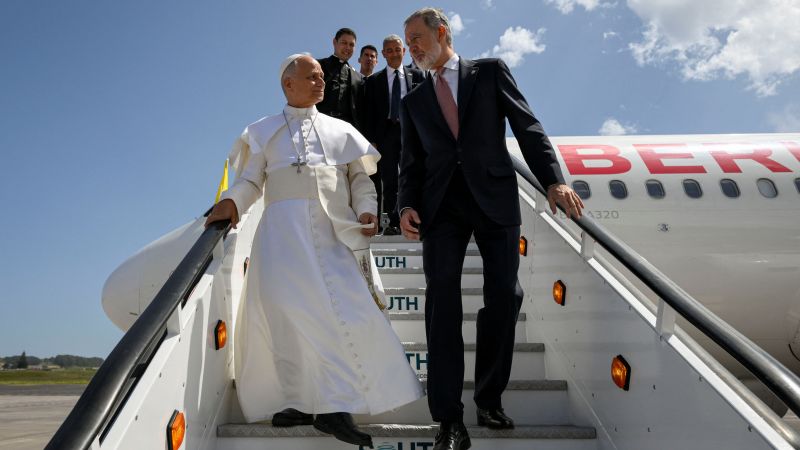
Pope Leo s plane was grounded – During Pope Leo XIV’s June 12 return flight from Tenerife to Rome, a mechanical issue forced the Iberia Airways aircraft to halt at the airport. The captain’s announcement triggered a flurry of activity, as the papal entourage, including the pontiff himself, disembarked moments later. Among the 80 journalists accompanying the pope on this leg of his Spain visit, the scene unfolded with a mix of surprise and urgency. While the papal team occupied the front of the plane, the media crew was seated in economy class, paying full business fares for the privilege of attending the papal press conferences. Yet, the grounding of the plane disrupted the routine, revealing an unexpected twist in the pope’s journey.
The Papal Flight Protocol
Papal travel typically follows a structured pattern, with the host country often providing a private aircraft for the return trip. In this instance, Spain’s royal family demonstrated their support by offering Pope Leo a private plane, bypassing the technical hiccups that plagued the Iberia Airways flight. This gesture underscored the deep ties between the Vatican and European monarchies, particularly during significant religious events. The journalists, accustomed to the papal entourage’s reserved demeanor, found themselves in a peculiar situation: they were to wait for a second aircraft while the pope boarded the royal plane, a moment that symbolized both practicality and prestige.
The papal flight experience is often marked by its unique blend of tradition and modernity. Special menus, adorned with the pope’s coat of arms, are served to passengers, though the journalists humorously noted the disparity between their economy seats and the lavish accommodations reserved for the pontiff. The aircraft’s design also reflects this hierarchy, with the front section designated for the pope, cardinals, and Vatican staff, while the rear holds the press corps. Despite the modest seating, the opportunity to witness the pope’s public appearances remains a highlight for those aboard.
A Memorable Encounter with Bad Bunny
Amid the chaos of the grounded plane, a notable anecdote emerged: the pope’s acknowledgment of the Puerto Rican rapper Bad Bunny’s concert in Madrid. “I knew I was competing with Bad Bunny,” Leo XIV remarked on the flight over, a lighthearted admission that contrasted with the gravity of his mission. This comment sparked speculation about a potential connection between the pop star and the Vatican, though it was later confirmed that the two had a brief, private meeting behind closed doors. No official photographs were released, but the encounter highlighted the pope’s willingness to engage with contemporary culture, even in the face of rivaling entertainment.
“I knew I was competing with Bad Bunny,” Pope Leo XIV said, his tone reflecting a rare moment of levity. “It’s always a challenge to capture the attention of the masses, but I believe the message of faith carries its own kind of power.”
The event drew an impressive crowd, with over 1.2 million people gathering for the Mass and procession in Madrid. This turnout was a surprise, given the competition from Bad Bunny’s concert on the same night. The Vatican’s efforts to secure the pope’s presence at such a large event were evident, yet the outcomes of the private meeting with the pop star remained shrouded in mystery. Still, the spectacle of the pope addressing Spain’s parliament, met with a seven-minute standing ovation, cemented his status as a unifying figure for the nation’s divided political landscape.
The Sagrada Familia Spectacle
The most visually striking moment of the trip occurred at Barcelona’s Sagrada Familia basilica, a marvel of modern architecture. One hundred years after the death of its visionary designer, Antoni Gaudí, the pope celebrated a Mass under a dazzling light show and fireworks display. The basilica’s towering spires, now the tallest church in the world, were illuminated in a way that mirrored the grandeur of the event. Choristers from Europe’s oldest choir performed, their harmonies blending with the vibrant colors projected across the basilica’s facade. As the night deepened, drone lights formed Gaudí’s face in the sky, a tribute to the architect’s enduring legacy.
The Sagrada Familia ceremony was more than a religious observance; it was a cultural milestone. The pope’s presence at the basilica, a symbol of both Spanish heritage and contemporary artistry, resonated deeply with the local community. His blessing of the tower was a gesture that bridged the past and present, honoring Gaudí’s contributions while emphasizing the basilica’s role as a place of worship and inspiration. The event’s blend of art, faith, and celebration captured the essence of Pope Leo’s mission, showcasing his ability to connect with diverse audiences.
A Focus on Humanitarian Causes
While the papal visit included grand events, it also featured intimate, impactful moments. In Santa Cruz, Tenerife, the pope met with migrants at the Las Raices camp, where he listened to their stories and expressed solidarity with their struggles. “Stop. Repent. And know that divine justice will prevail,” he urged those involved in human trafficking, his words carrying both compassion and conviction. This visit to the Canary Islands, a key entry point for migrants arriving in Europe, underscored his commitment to addressing global displacement issues.
Leo XIV’s focus on migration was a recurring theme during his stay. He highlighted the risks migrants face when traveling by wooden boat from West Africa, a stark reminder of the perilous journey many undertake in search of safety. The pope’s private meetings with abuse survivors further emphasized his dedication to social justice. He called on Spain’s bishops to prioritize victims’ voices, advocating for reparations and systemic change. These moments, though less publicized than the Mass in Madrid, were no less significant in shaping the narrative of his visit.
A Relaxed Papacy
Throughout the trip, the pope’s demeanor shifted from the solemnity expected of a religious leader to a more approachable and joyful presence. This was particularly evident during his flight from Madrid to Barcelona, where he ventured into the cockpit and conversed with the pilots over the in-flight radio. The act of waving at the military plane escort added a personal touch to the otherwise formal journey. Such moments were rare for Leo XIV, who is known for his measured approach to public engagement.
His relaxed attitude extended to his interactions with the public. In the popemobile, he delighted crowds with spontaneous remarks, sharing stories about his youth and encouraging young people to consider marriage and family. “When I was younger, I played soccer and American football,” he said, his words sparking laughter and admiration. The pope’s candidness in these moments painted a more relatable portrait, reinforcing his image as a leader who balances tradition with contemporary concerns.
As the papal visit concluded, the grounding of the plane and the King of Spain’s intervention became a symbol of the unexpected challenges and generous support that define such diplomatic journeys. The mix of grandeur and intimacy, from the Sagrada Familia spectacle to the migrant meetings, highlighted the pope’s ability to connect with both the spiritual and the everyday. His presence in Spain, marked by resilience and warmth, left an indelible mark on the nation, ensuring that his message of hope and unity would resonate long after his departure.
