
Pickle is the pumpkin spice of summer
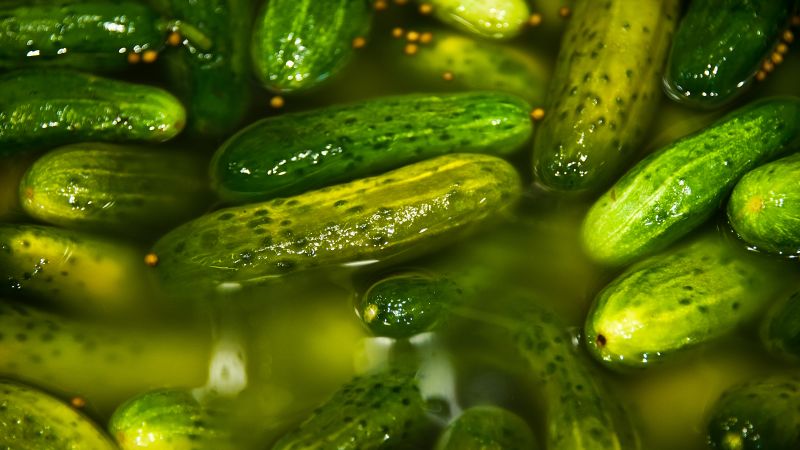
Pickle is the pumpkin spice of summer
The Flavor That’s Taking Over the Season
Pickle is the pumpkin spice of summer – Once relegated to the sidelines of American cuisine, pickles have now become the star of summer. From the condiment aisle to the cocktail bar, the sharp, tangy flavor of fermented cucumbers is no longer just a relish or a garnish. It’s a trend that has permeated everything from beverages to snacks, transforming pickles into a versatile and sought-after ingredient. Andrea Hernandez, a food trend forecaster and writer for the Snaxshot newsletter, notes that this shift has been gradual but significant. “What was once a ‘boring sidekick’ is ‘now the main character,'” she says, highlighting how the pickle has moved from a simple preservation product to a cultural phenomenon.
Traditionally, pickles were a familiar presence in American households, often found on hot dogs, nestled inside hamburger buns, or wrapped in damp wax paper at deli counters. But today, they’re everywhere. A pickle lager might grace your barbecue, while dill pickle seasoning could be used to flavor plain chicken and rice before a day at the beach. Even the poolside offers a pickle-flavored potato chip, a sweet-sour twist that defies the typical expectations of the condiment. Brands are also capitalizing on this surge by selling pickle juice in its own right, either as a standalone product or as a key ingredient in cocktails and probiotic supplements.
A Renaissance of Flavor
The “pickle renaissance” has been a quiet but powerful movement over the past decade. Unlike the sudden popularity of pumpkin spice, which became a seasonal cliché, pickles have maintained a fresh and unexpected appeal. Hernandez explains that the trend has evolved organically, without the same level of manufactured hype as previous food crazes. “It’s not something that just feels gimmicky – it’s a major unlock for a category that has been sleepy for a while,” she says. This shift is evident in the growing variety of pickle products available, from artisanal offerings to mass-produced items.
Historically, pickles were a humble staple, often associated with traditional foods like sandwiches and burgers. But now, they are being reimagined in ways that challenge the boundaries of flavor. Artisanal brands are leading the charge, introducing unique combinations such as honey harissa or even purple grape-infused varieties. These bold innovations have found a home in national grocery chains, making the once-niche ingredient accessible to a broader audience. Meanwhile, the packaging has also evolved, with sleek, modern designs that cater to contemporary tastes. For instance, Oh Snap! pouches of baby dills offer a convenient, somewhat-healthier alternative to the usual snack options, perfect for the youth-sports scene.
The Pandemic’s Role in Pickle Popularity
The rise of pickle culture can be traced back to the pandemic, which altered the way people interact with food. Gen Z, in particular, embraced the trend from within their homes. “Zoomers were deprived sensorially,” Hernandez explains, referring to how the pandemic confined people to their kitchens and encouraged experimentation. This led to a surge in taste combinations that pushed the boundaries of what was considered normal, such as Mukbang bingefests, bizarro food mash-ups, and TikTok challenges that dared individuals to try the spiciest or sourest foods. These videos not only showcased the versatility of pickles but also made them more approachable for adventurous eaters.
Millennials were the original drivers of the pickle renaissance, often purchasing artisanal versions at farmers markets. Pickling was a hipster activity, mocked by shows like “Portlandia.” However, the trend gained momentum with Gen Z, who began incorporating pickles into everyday life. The result is a flavor profile that blends sweet and sour, with products like pickle-flavored mayonnaise, mustard, and even sour gummies gaining traction. This generational shift has helped pickle move from a seasonal novelty to a year-round staple, much like how pumpkin spice became a fall signature.
Health Benefits and Marketing
Consumers are not only drawn to the taste of pickles but also to their perceived health benefits. Self-styled nutrition influencers have painted pickles as a “health halo” product, suggesting they support gut health, replenish electrolytes, or aid hydration. Even the Grillo’s-Liquid IV dill pickle electrolyte powder has entered the market, blending the traditional with the trendy. For summer, when the heat takes a toll on the body, pickle lovers are turning to these products to restore their lost salts. Hernandez notes that while the actual health benefits may be debated, the demand for pickle-flavored items remains strong.
The broader food industry has not been slow to take notice. Smaller indie pickle brands have gained popularity, prompting conglomerates like Frito-Lay to step in with their own lines. Trader Joe’s, for example, has capitalized on the trend by introducing private-label pickle offerings. Though their rollouts were slower compared to the rapid growth of artisanal brands, they have since expanded their presence in the market. This reflects the growing consumer interest in pickle culture, which has now become a mainstream force. The variety of products has also expanded, with everything from frozen pizza to seltzers now infused with pickle flavor.
A Cultural Shift
As the pickle’s popularity continues to grow, it’s clear that this is more than a fleeting trend. The shift in perception has been dramatic, with the once-underrated condiment now commanding a prominent place in the culinary world. Whether it’s the sensory deprivation of lockdowns or the desire for novelty, the cultural appetite for pickles has evolved. “It’s summer, it’s sweaty, and pickle lovers need to replenish their lost salts somehow,” Hernandez says, underscoring the role of the season in shaping the trend.
The trend’s organic growth sets it apart from other food booms, such as the bacon craze, which was later revealed to be a marketing operation by the pork industry. Pickles, on the other hand, have earned their place through a genuine shift in consumer preferences. Their appeal lies in their versatility and the way they can be paired with unexpected items, from savory snacks to sweet desserts. This adaptability has helped them maintain a fresh and dynamic presence in the market, ensuring their popularity is not just temporary but enduring.
“What was once a ‘boring sidekick’ is ‘now the main character,'” said Andrea Hernandez, a food trend forecaster and author of the Snaxshot newsletter. “Thanks to a ‘pickle renaissance’ in the past decade, pickle has become to summer what pumpkin spice is to fall: the all-American flavor that stands in for the season.”
The future of pickle culture looks promising, with more brands and products likely to emerge. As the summer season progresses, the demand for pickle-flavored items is expected to remain high. With the right combination of flavor, packaging, and health benefits, pickles have proven to be a flavor that resonates with a wide audience. Whether it’s a classic dill or a modern twist like purple grape, the essence of pickles has transformed into a cultural symbol that represents the vibrant and diverse nature of American food culture.
