
Kevin Warsh sworn in as Fed chair at pivotal moment for US economy
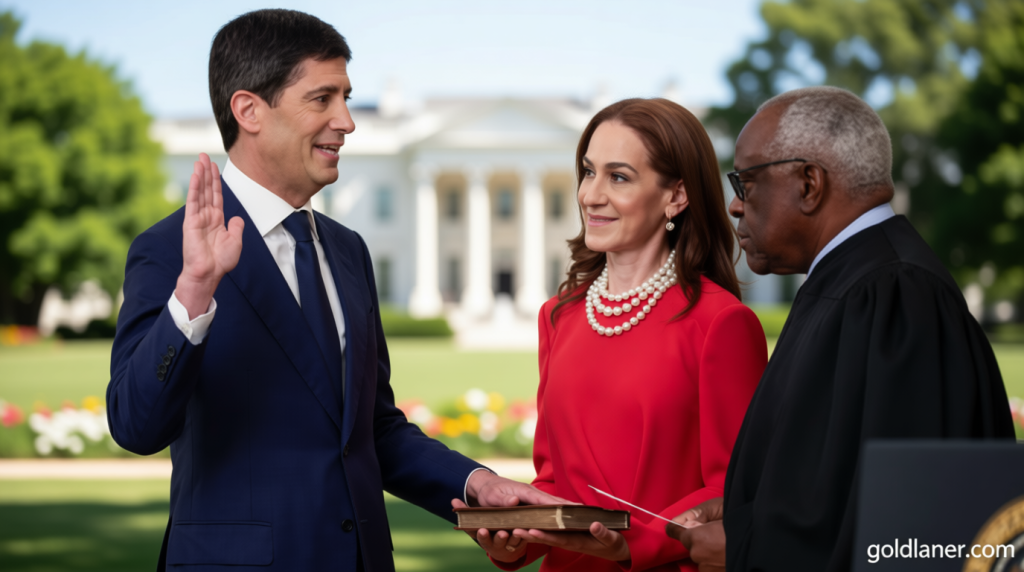
Kevin Warsh Assumes Fed Leadership Amid Economic Turmoil and Political Challenges
Kevin Warsh sworn in as Fed chair – On Friday, Kevin Warsh was officially appointed as the new Chairman of the Board of Governors of the Federal Reserve System, marking a critical juncture in the nation’s economic trajectory. His ascension to the role replaces Jerome Powell, who has held the position since 2018. At 56, Warsh brings a wealth of experience to the central bank, which has now entered a new era of decision-making as it navigates a landscape defined by inflationary pressures, escalating geopolitical tensions, and fluctuating financial markets.
Trump’s Endorsement and Expectations
President Donald Trump, who nominated Warsh in January, expressed confidence in his ability to steer the Federal Reserve through its current challenges. Speaking in the East Room of the White House during the inauguration ceremony, Trump highlighted Warsh’s unique qualifications, emphasizing his capacity to address a broad range of economic issues while maintaining the institution’s integrity. “He’s got abilities that very few people have,” Trump remarked, “and he’s respected by everybody.” This endorsement underscores the alignment between Warsh’s vision and the administration’s priorities, which have increasingly focused on fostering economic growth through monetary policy adjustments.
“I expect he will go down as one of the truly great chairmen of the Federal Reserve that we’ve ever had,” Trump said. “Don’t look at me, don’t look at anybody, just do your own thing and do a great job.”
Warsh’s selection was framed by Trump as a strategic move to ensure the Fed remains aligned with the administration’s economic goals. The president has long advocated for rate cuts to alleviate the burden on borrowers and stimulate consumer spending, a stance that has placed the central bank under scrutiny. Despite this, Trump stressed the importance of Warsh’s independence, urging him to prioritize economic stability over political pressure.
A Shifting Economic Landscape
Warsh’s appointment occurs at a time when the U.S. economy is facing unprecedented challenges. The ongoing conflict between the United States and Iran has disrupted global oil markets, contributing to a sharp rise in gasoline prices. Simultaneously, mortgage rates have reached their highest level in nine months, complicating housing affordability for millions of Americans. These factors, combined with a three-year surge in overall inflation, have created a volatile environment for policymakers.
Yet, the U.S. consumer has shown remarkable resilience, continuing to spend despite these headwinds. This steadfastness has shielded the broader economy from a recession, but it has also fueled widespread dissatisfaction. Consumer sentiment has plummeted to an all-time low, with Americans expressing more pessimism than during major crises such as the Great Recession, the 9/11 attacks, and the aftermath of the pandemic. The Fed now faces the daunting task of balancing price stability with the need to sustain growth in a politically charged climate.
Warsh’s Vision for Reform
During his swearing-in remarks, Warsh outlined a clear agenda for the Federal Reserve, emphasizing the need to learn from past successes and mistakes. He pledged to lead a “reform-oriented” central bank, distancing it from static frameworks and models while upholding rigorous standards of integrity. “I will focus on creating a more agile and transparent institution,” he stated, “one that adapts to evolving economic conditions without sacrificing its core mission.”
Warsh’s approach has drawn comparisons to Trump’s economic philosophy, which has prioritized reducing the government’s borrowing costs and boosting domestic production. However, his emphasis on independence suggests a broader commitment to maintaining the Fed’s autonomy, even as the administration exerts pressure. This balance is crucial, as the central bank must navigate the tension between political expectations and economic data.
The Role of the Federal Open Market Committee
While Warsh holds the highest office at the Fed, the actual decision-making power rests with the Federal Open Market Committee (FOMC), a body of 12 officials tasked with setting interest rates. This committee has recently shifted its stance on monetary policy, moving away from earlier projections of rate cuts later this year. Instead, a majority now favor maintaining current rates, with some members even suggesting the possibility of a rate hike if inflationary pressures persist.
Warsh’s first major test as chair will come during the FOMC’s upcoming meeting on June 16-17. The committee’s deliberations will be critical in determining the next steps for the Fed’s monetary strategy, especially as the economy grapples with the dual challenges of inflation and uncertainty. Warsh’s ability to steer this process will be a defining factor in his tenure, particularly given the high stakes of the upcoming midterm elections.
Political Ramifications and Public Perception
The Fed’s decisions will have significant implications for public sentiment, which has grown increasingly negative. With inflation reaching its highest level in three years, many Americans are questioning whether the central bank is adequately addressing their concerns. Warsh’s independence will be key to restoring confidence, as his actions could determine whether the Fed is seen as a proactive guardian of economic stability or a reactive institution caught in the crossfire of political demands.
Trump’s influence on the Fed’s direction remains a point of contention. While he has publicly criticized former chair Jerome Powell for not lowering rates quickly enough, calling him a “numbskull” and an “average mentally person,” he has also assured Warsh of the administration’s support. “He has the temperament and leadership abilities to foster collaboration among the entire board,” Trump said. “I know he will welcome robust debate in his mission to keep prices stable and employment high.” This mixed message highlights the delicate interplay between political pressure and economic expertise within the Fed.
Structural Changes and Core Responsibilities
Warsh has also proposed key structural reforms aimed at streamlining the Fed’s operations. One of his priorities is to limit public communication from Fed officials regarding their views on interest rates, arguing that this will reduce market speculation and enhance the central bank’s credibility. Additionally, he has advocated for keeping the Fed focused on its core responsibilities, such as price stability and maximum employment, rather than diverting attention to unrelated issues.
These changes align with Trump’s broader vision for the Federal Reserve, which he has described as having “lost its way” in recent years. The president has criticized the Fed for prioritizing inflation targets over economic growth, a departure from its traditional mandate. By reasserting the Fed’s focus on its primary objectives, Warsh aims to strengthen its role as an independent arbiter of monetary policy.
As the Fed enters this new chapter, the challenges ahead are as complex as they are urgent. Warsh’s leadership will be tested by the need to stabilize inflation while supporting a resilient but strained consumer base. His decisions will not only shape the economic outlook for the next few years but also determine how the Fed is perceived in the eyes of the American public. With the country at a crossroads, the central bank’s actions will be closely watched, and its success will depend on its ability to balance competing priorities with clarity and confidence.
