
Iran’s ‘accidental’ president has survived the war. Peace may be a tougher challenge
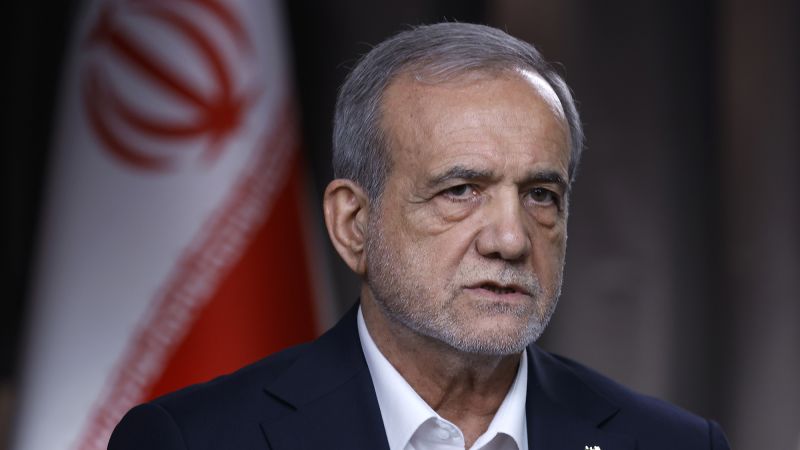
Iran’s Accidental President Has Survived the War
Iran s accidental president has survived – Iran’s accidental president has survived the war, navigating a turbulent political landscape as the nation faces shifting dynamics in its leadership structure. The decision by President Masoud Pezeshkian to remove his blazers during a critical meeting on the water crisis sparked both admiration and backlash, highlighting his attempts to embody frugality amid ongoing conflict. This choice, seen as a bold move to connect with citizens, became a talking point in a country where strict dress codes are deeply ingrained. Despite criticism from conservative factions, Pezeshkian’s leadership has persisted, underscoring his resilience in a role that was initially considered a temporary fix.
Resignation Rumors and Political Tensions
Following the incident, London-based opposition outlet Iran International reported that Pezeshkian had submitted his resignation, causing widespread speculation about his future. His team swiftly refuted the claims, calling them “unfounded” and “wishful thinking.” This pattern of rumors reflects the broader political instability within Iran, where Pezeshkian’s position has been tested by internal dissent and external pressures. While the war with the United States and Israel has solidified his standing as a wartime leader, the road to peace remains uncertain.
“Pezeshkian’s leadership has become a symbol of adaptability in a regime where change is rarely welcomed,” noted Ali Ahmadi, a fellow at the Geneva Centre for Security Policy and Middle East Institute Switzerland. “Though his tenure began as a placeholder, his ability to hold power during this crisis suggests a deeper political strategy.”
Iran’s accidental president has survived the war by balancing pragmatism with tradition, a delicate act in a nation where ideological rigidity often dominates. His early role as a caretaker leader evolved as the conflict intensified, forcing him to take on more responsibility. Yet, his approach to governance—marked by humility and compromise—has faced scrutiny from hardline critics who view it as a departure from the Islamic Republic’s core principles. These challenges underscore the complexity of his position and the broader struggle between reform and tradition in Iran’s political system.
Peace Challenges and Domestic Pressures
As the war with the United States and Israel continues, Iran’s accidental president has survived the initial chaos but now confronts the daunting task of fostering peace. The recent ceasefire agreement with the US, though conditional, marks a pivotal moment in diplomatic efforts. However, domestic unrest persists, fueled by economic hardship, inflation, and the growing influence of conservative factions. Pezeshkian’s ability to maintain support amid these pressures highlights his strategic importance in navigating Iran’s post-war era.
“The war has tested Iran’s accidental president, but his survival signals a potential shift in the country’s political direction,” said Mohammad Ali Shabani, editor of Amwaj.media. “Yet, the real challenge lies in translating wartime momentum into lasting peace.”
Iran’s accidental president has survived the war by adapting to its demands, but the path to peace requires a different kind of resilience. His leadership style—rooted in measured diplomacy and public engagement—has allowed him to bridge divides within a polarized regime. However, the assassination of Supreme Leader Ayatollah Ali Khamenei has intensified competition for power, with conservative allies now vying for influence. This internal shift poses a significant risk to Pezeshkian’s vision of a more moderate Iran, as he strives to steer the nation from conflict toward stability.
The legacy of Iran’s accidental president has survived the war as a testament to his ability to endure political uncertainty. While his tenure began as a temporary measure, it has since become a defining chapter in the Islamic Republic’s leadership evolution. His actions, from diplomatic overtures to casual attire, reflect a broader effort to redefine the image of the presidency. Yet, the true measure of his success will lie in his capacity to address the deep-rooted issues that continue to challenge Iran’s stability, including economic strain and social unrest.
