
Global scramble to contain new Ebola outbreak as US moves to limit entry from virus-hit region
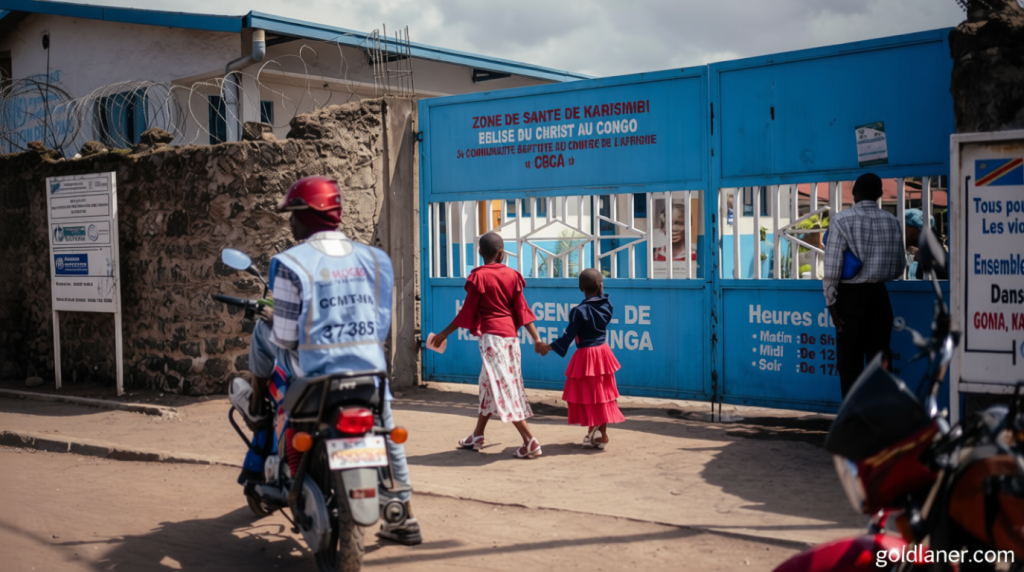
Global scramble to contain new Ebola outbreak as US moves to limit entry from virus-hit region
Global scramble to contain new Ebola – As the situation in the Democratic Republic of Congo (DRC) and Uganda worsens, a coordinated international response is intensifying to curb the spread of the Ebola virus. The World Health Organization (WHO) has declared the ongoing epidemic a “public health emergency of international concern,” signaling the urgency of the crisis. While the outbreak has not yet reached the threshold of a “pandemic emergency,” the WHO has highlighted the alarming rate of infections and the escalating number of confirmed fatalities, suggesting the potential for a much larger outbreak than currently documented. These concerns are amplified by the fact that the virus is spreading rapidly across multiple health zones, complicating containment efforts.
U.S. Takes Precautions Amid Rising Cases
On Monday, the United States invoked Title 42—a federal law that allows for expedited entry restrictions during communicable disease outbreaks—to limit travel from the DRC and Uganda for at least 30 days. The Centers for Disease Control and Prevention (CDC) stated that the immediate risk to American citizens was “low,” but emphasized that they would monitor the evolving situation closely. The CDC’s decision to implement this measure came after identifying a small number of Americans who had been exposed to the virus in the DRC, as reported by health news outlet STAT. However, the agency has not confirmed whether any of these individuals have actually contracted the disease, leaving some uncertainty about the scale of the exposure.
The latest outbreak is fueled by the Bundibugyo strain, one of several viruses within the Ebola family capable of causing severe illness. According to the WHO, this strain is currently responsible for the spread in the DRC’s northeastern Ituri province, a region known for its remote and underserved communities. In Uganda, two confirmed cases have been reported in the capital, Kampala, including one death. These cases have prompted additional precautions, with the U.S. health officials set to enforce a range of measures aimed at slowing the virus’s transmission. These include heightened screening protocols for individuals arriving from the DRC, Uganda, or South Sudan within the past three weeks, as well as restrictions on non-U.S. passport holders who may have been in contact with affected areas.
Global Collaboration and Medical Preparedness
International coordination is expanding as experts warn of the “extremely concerning” conditions surrounding the outbreak. The WHO has classified the current situation as “extraordinary,” citing the lack of approved treatments or vaccines specifically targeting the Bundibugyo strain. This has led to a critical need for global collaboration in research, resource distribution, and public health messaging. The Africa Centres for Disease Control and Prevention (Africa CDC) has also stepped up its response, with its director-general, Jean Kaseya, confirming that over 100 suspected deaths have been linked to the outbreak in the DRC. This figure underscores the severity of the crisis and the need for immediate action.
Dr. Satish Pillai, the CDC’s Ebola Response Incident Manager, acknowledged the agency’s role in managing the outbreak, stating that they are “actively assessing the situation on the ground” and will provide updates as needed. He declined to comment on whether any of the exposed Americans had been infected, highlighting the cautious approach being taken by health officials. The U.S. State Department echoed this sentiment, confirming that they are working with the DRC and Ugandan governments to contain the virus quickly. In response to a CNN inquiry, the department did not specify if any American citizens had been affected but emphasized the government’s commitment to swift action.
As part of its response, the CDC has mobilized resources from its existing offices in the DRC to support surveillance, contact tracing, and laboratory testing efforts. Additional support is expected to be dispatched from the agency’s headquarters in Atlanta to bolster the response. Pillai noted that the CDC has not detected any cases of the virus on international flights, attributing this to the exit screening measures already in place in both the DRC and Uganda. These measures are designed to prevent the virus from spreading beyond the region through air travel.
Meanwhile, the DRC’s health minister, Samuel Roger Kamba, announced that three new treatment centers are being established in the affected areas to enhance the capacity for managing the outbreak. These facilities will play a crucial role in treating patients and isolating those who show symptoms. The expansion of healthcare infrastructure is vital, particularly in remote regions where access to medical services has been limited. The WHO has also called for increased funding and resources to support local health systems, which are under significant strain due to the surge in cases.
Experts are closely monitoring the spread of the Bundibugyo strain, which has a fatality rate estimated at 25% to 40% by Doctors Without Borders (MSF). This rate is notably higher than that of other Ebola strains, such as the Zaire strain, which typically has a fatality rate of around 50%. The symptoms of the Bundibugyo strain are similar to those of other Ebola variants, including fever, muscle pain, and rash, but can also lead to severe bleeding in some cases. Transmission occurs through direct contact with bodily fluids, making it critical to implement strict hygiene and isolation protocols to prevent further spread.
The international community is now focused on preventing the outbreak from becoming a global threat. While the current situation remains localized, the potential for the virus to spread beyond the DRC and Uganda is a major concern. The WHO has urged countries to increase their preparedness, emphasizing the importance of rapid detection, containment, and treatment. With the U.S. taking proactive steps to limit entry from the affected regions, the global response continues to intensify. The coordination between international agencies and local governments is essential to ensuring that the outbreak is contained before it can escalate further.
