
Founder of one of China’s biggest underground churches freed, reunites with family in US
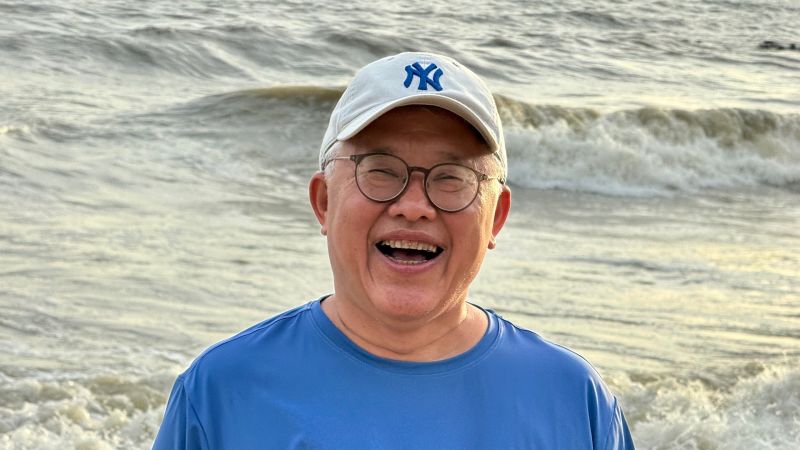
Founder of China’s Largest Underground Church Freed, Reunites with Family in U.S.
Founder of one of China s biggest – After nearly two years in detention, Ezra Jin, the founder of one of China’s largest underground churches, has been released and reunited with his family in the United States. His daughter, Grace Jin Drexel, shared the news with CNN, describing the moment as a “tremendous miracle” and expressing gratitude for his return. The event highlights the ongoing struggle between Chinese authorities and unregistered Christian groups, with Jin’s case serving as a focal point for international attention on religious freedom in the country.
A Crackdown Driven by Ideological Control
Chinese authorities have consistently viewed unregistered churches as threats to their ideological grip, particularly those associated with the founder of one of China’s most influential underground Christian communities. While legal religious activities are permitted, the government mandates official registration, leaving groups like Jin’s Zion Church vulnerable to periodic crackdowns. In late 2025, a sweeping operation led to the arrest of dozens, including Jin, as part of a broader campaign to suppress independent worship and align it with state-approved practices.
“We are overwhelmed with joy and thank God for this miracle,” said Grace Jin Drexel in a family statement to CNN. “This outcome reflects the founder of one of China’s largest underground churches being given a chance to reunite with his loved ones, which is a significant step for religious freedom advocates.”
The release of Jin followed direct intervention by U.S. President Donald Trump during his May visit to Beijing. This action was interpreted as a strategic effort to balance diplomatic ties with China while addressing concerns over the treatment of religious leaders. Drexel, a U.S. Senate staffer, hopes the founder’s freedom signals a broader shift in how China handles faith-based dissent and its engagement with Western allies.
A Journey of Resilience and Relocation
Jin established Zion Church in Beijing in 2007, making it a central gathering place for unregistered Christian believers. As pressure on such groups increased, especially in 2018, he and his family moved to the U.S. to avoid further imprisonment. However, the founder’s commitment to his congregation led him to return to China in 2025, where he faced renewed harassment. His arrest that year marked a turning point, separating him from his family for nearly two years and intensifying calls for his release.
Grace Jin Drexel’s persistent advocacy, including appeals to the Trump administration, eventually secured her father’s freedom. “This is a meaningful moment for the founder of one of China’s most prominent underground churches,” she remarked, emphasizing that the release was “a sign of progress for faith communities in China and improved relations between our nations.”
Global Reactions and the Road Ahead
Human rights organizations hailed the founder’s release as a victory but cautioned against complacency. “While his freedom is a relief, the founder of one of China’s largest underground churches still represents a broader pattern of religious suppression,” noted Brian Tronic of Freedom House. “We must continue pushing for the release of all faith prisoners until systemic change occurs.”
“His release is a tremendous victory, but the work is far from over,” stated Rev. Dr. Bob Fu of ChinaAid. “The founder of one of China’s most enduring underground churches has shown resilience, yet thousands of others remain in custody. We urge the Trump administration to prioritize religious freedom in all future interactions with Beijing.”
CNN has reached out to the Chinese Foreign Ministry, the White House, and the U.S. State Department to understand the full context of the founder’s case. While the decision to free him appears to blend political and humanitarian motives, critics argue it may not resolve the underlying tensions between state control and independent religious practice in China.
A Symbol of Hope or a Strategic Gesture?
Jin’s journey from detention to freedom underscores the complex dynamics between faith and governance in China. The founder of one of the nation’s most visible underground churches has become a symbol for many believers, representing both the resilience of religious communities and the potential for international pressure to yield results. However, the question remains: does this event mark a lasting change in China’s approach to religious freedom, or is it a temporary gesture to mend diplomatic ties with the U.S.?
ChinaAid and similar organizations continue to monitor the situation, with Jin’s case serving as a key example of the challenges faced by the founder of one of China’s largest underground churches. While his release offers hope, it also raises concerns about the sustainability of such progress and the future of religious groups operating outside state oversight.
