
For Iran’s leaders, surviving the war may prove easier than winning the peace
For Iran’s Leaders, Surviving the War May Prove Easier Than Winning the Peace
For Iran s leaders surviving the war – After nearly half a century of approaching direct conflict, the United States officially declared war on Iran. Fifteen weeks later, the fighting has ceased. The Islamic Republic has not only endured a confrontation with the world’s most formidable military but has emerged with a sense of increased strength. Even as US President Donald Trump claimed Washington had already achieved victory in the early days of the conflict, Iran maintained its capacity to retaliate right up to the signing of an interim ceasefire. The regime’s most impactful maneuver was the strategic closure of the Strait of Hormuz, which disrupted the global oil supply and highlighted its ability to wield economic leverage against its adversaries.
The End of Hostilities
A memorandum of understanding, finalized over the weekend, marks the end of hostilities between the US and Iran. This agreement is described as “immediate and permanent,” and it sets the stage for lifting all sanctions on the country. However, the terms of the deal do not require Iran to abandon its missile program or its support for regional allies. Instead, the country has agreed to unblock the Strait of Hormuz and commit to diluting nearly weapons-grade uranium, concessions that align with its prewar proposals. Despite these compromises, Iran has framed its survival as a decisive strategic triumph, positioning itself as a resilient force in the face of American and Israeli pressure.
Iran’s Strategic Resilience
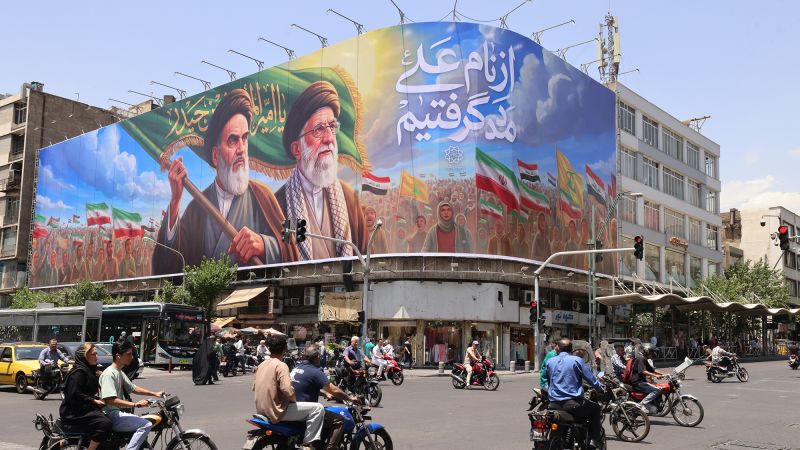
The ceasefire has been met with a mix of relief and ambition within Iran. Leaders there view the outcome as validation of their military strategy, believing that their capacity to strike back has forced the US into a concession. This perception has emboldened hardline factions, who see the conflict as proof that their approach to conflict is more effective than diplomatic efforts. The regime has strengthened its grip on power, with its military and political figures asserting control over key decision-making processes. Daily rallies in Iran’s streets now celebrate the Islamic Republic’s survival, with citizens attributing the country’s endurance to its leaders’ steadfastness.
Yet, the path to peace remains uncertain. While the ceasefire has halted immediate hostilities, experts warn that Iran’s leaders must now focus on converting this tactical success into domestic stability. The regime’s ability to secure economic relief and public support will determine whether its survival translates into long-term legitimacy. “The Islamic Republic and its supporters feel confident that they weathered the greatest threats America and Israel could offer,” said Sina Toossi, a senior non-resident fellow at the Center for International Policy (CIP). “They believe they have gained concessions without sacrificing core principles.”
Domestic Dynamics and Leadership Shifts
The war has also reshaped internal power structures. With the ceasefire in place, the Islamic Republic’s hardliners have solidified their influence, ensuring their dominance in both governance and military command. This shift is evident in the recent appointment of Mojtaba Khamenei, the son of Supreme Leader Ayatollah Ali Khamenei, to a key position. The move signals a deliberate effort to maintain continuity, defying the long-standing taboo against hereditary leadership. Meanwhile, the moderate president, Masoud Pezeshkian, has been relegated to administrative duties, with reformist allies pushed to the margins. Some have reportedly been placed under house arrest, further consolidating the hardliners’ control.
Despite these internal power shifts, Iran’s underlying challenges persist. The country’s economy remains strained, and its population continues to face hardship. However, the war has equipped it with a resilience strategy that has prepared it for prolonged conflict. Asymmetric tactics, such as targeted missile strikes and strategic disruptions of global supply chains, have proven effective in maintaining a position of strength. A new generation of military commanders has also emerged, bringing fresh energy to the regime’s defense posture.
While the ceasefire has provided a temporary reprieve, it has not addressed the deeper structural issues facing Iran. The regime’s success in surviving the war has not yet translated into tangible economic benefits for the general populace. “They have more confidence and probably more support because they’ve survived the war,” noted Sanam Vakil, director of the Middle East and North Africa Programme at London’s Chatham House think tank. “But a significant portion of the population still harbors doubts about the future of the Islamic Republic.”
The war’s conclusion offers both opportunities and risks. On one hand, it has allowed Iran to project itself as a formidable actor on the global stage, capable of withstanding external pressures. On the other, it has left the country with unresolved tensions, both domestically and internationally. The regime’s ability to maintain this momentum will depend on its capacity to balance military assertiveness with economic pragmatism. If it fails to address the needs of its citizens, the optimism surrounding the ceasefire may give way to growing dissent.
As the dust settles, Iran’s leaders face a critical test. The interim ceasefire may serve as a bridge to more permanent peace, but only if it can solidify the gains made during the conflict. The challenge lies in transforming military resilience into political stability and economic revival. For now, the regime remains focused on its hardline vision, with the belief that survival has already secured its place in the region’s power dynamics. But the question remains: will this triumph lead to enduring peace, or will it set the stage for another round of conflict?
The war has left Iran’s government intact, its military cohesive, and its strategic posture reinforced. While the interim agreement offers a pathway to reduce tensions, it also raises concerns about the regime’s ability to address its domestic challenges. The closure of the Strait of Hormuz and the regime’s defiance of temporary ceasefires during the war underscore its commitment to maintaining leverage. However, the long-term success of this strategy will hinge on whether Iran can sustain its momentum beyond the immediate ceasefire. With a loyal base emboldened by survival and a hardline leadership entrenched, the Islamic Republic now faces the difficult task of turning conflict into a foundation for lasting peace.
For now, the focus is on consolidation. The regime has successfully projected its victory, ensuring that its hardline supporters remain energized. But the war’s legacy will be measured by how well it can translate this strength into political and economic dividends. As the world watches, the next phase of Iran’s story will depend on whether the resilience demonstrated in battle can be matched in the corridors of negotiation and the hearts of its people.
