
Feds charge 8 pro-Palestinian activists with conspiring to intimidate University of Michigan officials
Feds Charge 8 Pro-Palestinian Activists with Conspiratorial Acts Against University of Michigan
Feds charge 8 pro Palestinian activists – On Wednesday, federal prosecutors announced the unsealing of an indictment charging eight pro-Palestinian activists with orchestrating a campaign to intimidate University of Michigan officials. The legal action comes as part of a broader investigation into alleged efforts to pressure the university into severing financial ties with Israel. According to the document, the accused were involved in a coordinated scheme to spread fear and coerce decision-makers through threats and symbolic acts of vandalism. This marks a significant escalation in the federal government’s response to campus activism tied to the Israel-Hamas conflict.
Targets of the Intimidation Campaign
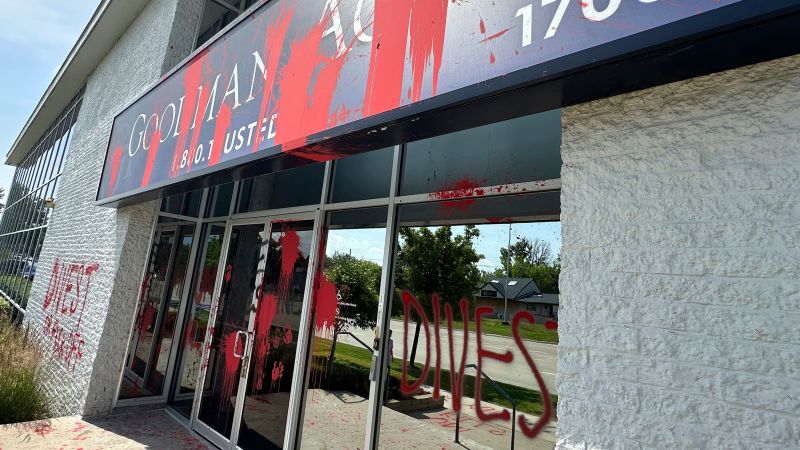
The indictment details actions targeting both the university administration and entities associated with Israel. Among the alleged offenses are acts of vandalism against companies operating in Michigan and the Jewish Federation of Metropolitan Detroit. Prosecutors claim these acts were part of a larger strategy to disrupt the university’s financial relationships with Israeli entities, which the activists sought to dismantle as a form of protest. The case underscores the extent to which pro-Palestinian groups have gone to challenge institutional policies.
“In America, we rule by law not by fear. These alleged threats and attempts to terrorize government officials, businesses, and the Jewish Federation are anti-American. We will counter intimidation with justice,” stated U.S. Attorney Jerome Gorgon Jr. in a statement accompanying the indictment.
Gorgon’s remarks highlight the government’s stance that the activists’ actions, while rooted in political motives, cross into criminal territory by undermining the rule of law. The case is part of a yearlong investigation into pro-Palestinian graffiti and other acts of vandalism that have targeted Michigan-based institutions. The indictment also outlines how the activists leveraged digital platforms to amplify their message, ensuring their threats reached not only their intended victims but also supporters of Israel.
Incidents That Sparked the Charges
Several specific incidents are cited in the indictment, including the placement of fake bloody corpses on the lawn of an elected university board member and the spray-painting of anti-Israel slogans at the home of the school’s former president, Santa Ono. These actions were described as deliberate attempts to instill fear and create a symbolic link between the activists and the Hamas group. The use of red inverted triangles and red handprints—symbols associated with Hamas—was noted as a key element of the intimidation strategy.
Authorities emphasized that the campaign was not limited to physical acts. The indictment states that the accused used the internet and social media to broadcast their message, spreading their grievances and escalating tensions. This digital outreach is said to have played a critical role in coordinating the efforts and ensuring that the messages of dissent were widely disseminated. The investigation suggests a deliberate effort to target both the university and its allies through a combination of direct and indirect tactics.
As part of the probe, federal agents raided five Michigan homes during the past year, seizing evidence related to the alleged intimidation activities. Gina Balaya, a spokesperson for the U.S. Attorney’s Office, confirmed that six of the eight individuals named in the indictment were expected to appear in federal court in Detroit on Wednesday. One defendant was apprehended in Wisconsin, while another remains at large. The Associated Press reported that it could not immediately contact any of the accused or their legal representatives for comment.
University’s Stance on Financial Ties to Israel
Since the outbreak of the Israel-Hamas war, pro-Palestinian protesters have demanded that the University of Michigan halt its investments in companies linked to Israel. However, the university has maintained that its endowment is not directly invested in Israeli entities and that less than $15 million is allocated to funds which may include Israeli-based companies. This figure represents less than 0.1% of the total endowment, which exceeds $10 billion, according to recent reports.
Despite these claims, the indictment suggests that the activists believed the university was complicit in supporting Israeli policies. The university, in turn, has argued that it has taken steps to align with Palestinian causes without directly undermining its financial commitments. In 2024, the university cleared a pro-Palestinian protest camp from its campus after a month-long occupation, citing concerns over public safety. This incident has become a focal point in the ongoing debate about the balance between free speech and institutional responsibility.
The federal charges are seen by some as a necessary step to address the growing influence of pro-Palestinian activism on campus. Critics argue that the campaign against the university officials and businesses represents a form of civil disobedience, while supporters of the charges see it as a threat to academic freedom and the rule of law. The case has reignited discussions about the role of universities in international conflicts and the legal boundaries of protest.
Broader Implications of the Case
With the indictment unsealed, the focus has shifted to the legal consequences of the activists’ actions. Federal prosecutors assert that the conspiracy to intimidate officials is a serious offense that could lead to significant penalties. The case also raises questions about the extent of the activists’ influence and the reach of their efforts beyond Michigan. It is part of a wider pattern of pro-Palestinian demonstrations across the U.S., many of which have included demands for universities to divest from Israeli corporations.
Analysts suggest that the indictment reflects a growing effort by federal authorities to address what they perceive as radicalized protest activities. While the university has taken steps to clarify its financial ties to Israel, the activists’ actions have been framed as a direct challenge to its leadership. The use of symbolic gestures, such as the red handprints and inverted triangles, has further fueled accusations of ideological alignment with Hamas, even as the activists maintain their focus on the Israel-Hamas conflict.
As the legal proceedings unfold, the case is likely to be a landmark moment in the intersection of campus activism and federal law enforcement. The indictment not only targets the individuals involved but also highlights the broader tensions between protest movements and institutional authority. The outcome of the trial could set a precedent for how such campaigns are perceived and handled in the future.
In conclusion, the charges against the eight pro-Palestinian activists illustrate the complex dynamics at play in modern activism. While their actions are driven by a desire to influence university policies, they have now been classified as criminal behavior by federal prosecutors. This case serves as a reminder of the power of symbolic acts in shaping public opinion and the legal frameworks that govern them. As the trial progresses, the university and its supporters will be closely watching the developments, hoping to defend their stance against what they see as an overreach by federal authorities.
