
Drone seizures and arrests for flying too close to World Cup events: Here’s where to operate legally
Drone Seizures and Arrests Near World Cup: Legal Zones Guide
Drone seizures and arrests for flying – As the FIFA World Cup intensifies across the U.S., drone seizures and arrests for flying too close to event sites have surged. A recent case involving a Texas resident underscores the strict enforcement of drone rules near stadiums and fan zones. On June 11, John Alexander Meza, a 26-year-old from La Porte, Texas, was alleged to have flown a DJI Mavic 3 drone into a restricted airspace zone during the tournament’s opening match in Houston. The incident, documented in a criminal complaint from the Southern District of Texas, highlights how operators can face legal consequences for violating regulations.
FAA’s Designated Restricted Airspace
The Federal Aviation Administration (FAA) has expanded its oversight by designating “national defense airspace” around key World Cup locations. These zones, which extend up to 3 nautical miles from stadiums and 3,000 feet in altitude, aim to prevent drone collisions with aircraft and safeguard infrastructure. Meza’s drone was reportedly detected in this area near a church, where it allegedly breached the no-fly zone without proper registration or authorization. This enforcement reflects a broader strategy to control aerial activity during high-profile events.
Operators must now familiarize themselves with FAA guidelines, which include temporary flight restrictions during major tournaments. The agency’s website provides real-time updates on restricted zones, helping users avoid violations. For example, locations like the Los Angeles Memorial Coliseum and Rockefeller Center in New York have been added to the list, showing the dynamic nature of these rules as the World Cup progresses.
FBI’s Aggressive Enforcement Actions
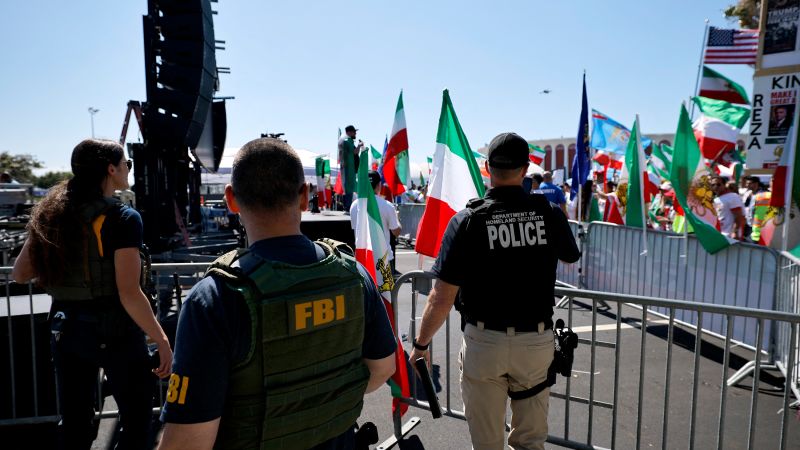
Law enforcement agencies, including the FBI, have intensified their efforts to address drone-related offenses. Since the tournament began, the FBI has seized over 500 drones, with Special Agent Brett Skiles of the Miami Field Office emphasizing that “flying in a restricted zone isn’t just dangerous—it’s a federal crime.” This statement underscores the seriousness with which authorities are treating unauthorized drone operations.
One notable case involved Lorenzo Rojas-Martinez, arrested near Centennial Olympic Park on June 12 for operating a drone without authorization. His drone was linked to a fan event, and he faced additional charges for overstaying his visa and prior drug convictions. This incident demonstrates how drone rules are not only enforced at event sites but also applied to individuals who unintentionally enter restricted airspace.
Drone seizures and arrests for flying have become a focal point for security during the World Cup. Law enforcement uses GPS tracking to identify operators, ensuring swift action against violations. These measures aim to protect spectators, athletes, and critical infrastructure from potential threats posed by drones in restricted zones.
Broader Impact on Drone Operators
While the World Cup is the primary concern, drone seizures and arrests for flying have extended to non-event areas. For instance, Patrick Phillip Heer, a 34-year-old from Katy, Texas, was cited for flying a drone near the FIFA Fan Zone on June 13. Though his intent was to capture real estate footage, he admitted to not checking active flight restrictions beforehand. This case illustrates how even casual drone use can lead to legal issues.
Authorities stress that drone seizures and arrests for flying are part of a coordinated effort to maintain safety. The FBI and FAA collaborate to monitor and penalize violations, whether near stadiums or in everyday settings. As the tournament continues, operators are urged to stay informed and comply with regulations to avoid penalties.
With drone regulations evolving, operators must adapt to new rules. The World Cup has triggered a heightened focus on drone enforcement, and understanding legal zones is crucial. By adhering to guidelines, users can ensure their aerial activities remain safe and lawful, avoiding the risks of drone seizures and arrests for flying in restricted areas.
