
DRC’s Ebola outbreak may be worst ever, Africa CDC says
DRC’s Ebola outbreak may be worst ever, Africa CDC says
DRC s Ebola outbreak may be worst – On Tuesday, Jean Kaseya, the head of the Africa Centres for Disease Control and Prevention (Africa CDC), issued a stark warning about the escalating crisis in the Democratic Republic of Congo (DRC). He emphasized that the current wave of the Ebola virus could surpass the devastation of previous outbreaks, particularly those in West Africa and the eastern part of the country. Kaseya’s concerns stem from the ongoing difficulty in identifying and monitoring all individuals who have come into contact with infected patients, a critical step in containing the spread of the disease.
The Africa CDC leader highlighted that the situation is dire, with tens of thousands of people who have been exposed to the virus remaining unaccounted for. This gap in contact tracing poses a significant risk, as undetected cases can lead to exponential growth in infections. Kaseya’s remarks were delivered during a virtual summit of African heads of state, where public health officials and leaders gathered to discuss the region’s collective response to the outbreak.
“Should we fail to halt this outbreak promptly, it will surpass the scale we witnessed in West Africa and the eastern DRC during the 2014-2016 epidemic,” Kaseya stated. His warning underscores the gravity of the current health emergency, which has already claimed numerous lives and disrupted communities across the nation.
The Current Crisis
The DRC has been battling an Ebola outbreak since late 2023, with the eastern provinces of North Kivu and Ituri bearing the brunt of the crisis. Health workers have reported a surge in cases, particularly in areas where conflict and instability have hindered medical efforts. The current strain of the virus, known as Zaire ebolavirus, is highly contagious and has a fatality rate of around 50-90%, depending on the outbreak’s context.
According to the Africa CDC, the challenge of tracking contacts has intensified due to the virus’s rapid transmission and the movement of people within and beyond the affected regions. Many individuals have been exposed without knowing their status, which complicates containment strategies. Kaseya warned that without immediate action, the outbreak could become unmanageable, potentially overwhelming local health systems and leading to a regional disaster.
Past Outbreaks for Comparison
The 2014-2016 outbreak in West Africa, which spanned Guinea, Liberia, and Sierra Leone, is often cited as the deadliest in history. It resulted in over 11,000 deaths, with the virus spreading to urban centers and causing widespread panic. That outbreak also exposed vulnerabilities in healthcare infrastructure and international response mechanisms, leading to significant global efforts to combat it.
In contrast, the 2018 outbreak in the DRC, though serious, was less severe. It primarily affected a smaller population and was quickly contained with the help of international teams. However, Kaseya noted that the current outbreak has grown in both scale and complexity, requiring a more robust and coordinated approach. The Africa CDC’s analysis suggests that the virus is now spreading more rapidly than in earlier years, possibly due to factors such as increased mobility and weakened community trust in health protocols.
Global Response and Challenges
The Africa CDC has been working closely with global health organizations, including the U.S. Centers for Disease Control and Prevention (CDC), to address the crisis. These partnerships have facilitated the deployment of medical personnel, testing equipment, and vaccines to the DRC. Despite these efforts, Kaseya stressed that the outbreak’s trajectory remains uncertain, and the situation is worsening faster than expected.
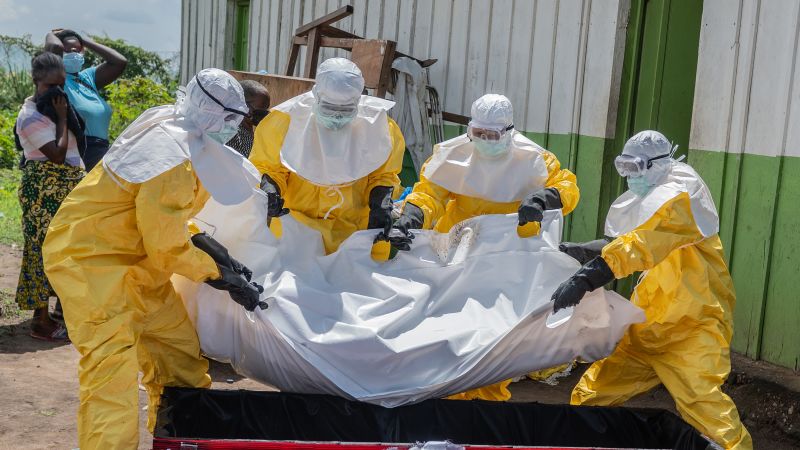
One of the key challenges in the DRC is the difficulty of reaching remote areas where the virus is spreading. Health workers often face logistical hurdles, such as poor road conditions and limited access to electricity, which slow down response operations. Additionally, cultural practices, including traditional burial rites, have contributed to the virus’s transmission, as families continue to mourn their deceased loved ones despite the risks.
Another issue is the strain on the DRC’s healthcare system. With limited resources and a shortage of trained personnel, hospitals in affected regions are struggling to manage the influx of patients. Kaseya called for urgent support, both financial and technical, to ensure that the country can sustain its efforts against the outbreak. He also urged African nations to share best practices and strengthen regional cooperation.
What the Future Holds
If the current situation persists, Kaseya warned that the outbreak could surpass the 2014-2016 epidemic in terms of both mortality and impact. The Africa CDC is monitoring the virus closely and has established a task force to coordinate with local authorities. This task force aims to accelerate contact tracing, improve communication with communities, and expand vaccination efforts.
Experts are also concerned about the possibility of the virus spreading to neighboring countries. The eastern DRC’s proximity to Rwanda, Uganda, and South Sudan means that containment efforts must extend beyond national borders. Kaseya acknowledged the importance of international collaboration, emphasizing that the fight against Ebola is a collective responsibility.
As the outbreak continues, the DRC faces a critical juncture. The Africa CDC’s warning serves as a reminder of the virus’s potential to cause widespread devastation if not addressed swiftly. While the region has a history of overcoming similar crises, the combination of ongoing challenges and the virus’s evolving nature raises new alarms. The world will be watching closely to see whether this outbreak becomes the most severe in history or if it can be contained before it reaches catastrophic levels.
The stakes are high, and the consequences of inaction could be profound. With the virus spreading rapidly and the number of undetected contacts growing, the DRC needs immediate support to turn the tide. Kaseya’s message is clear: without a unified and aggressive response, the current outbreak may indeed be the worst ever recorded. The battle against Ebola in the DRC is not just a local fight—it is a global one, with implications for public health, economic stability, and regional security.
