
As renovation costs rise, are fixer-upper homes still worth it? Tell us what you think
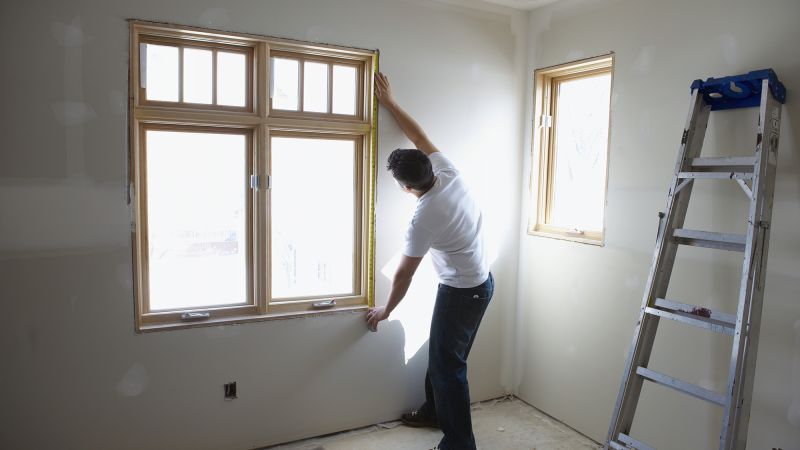
Fixer-Upper Homes: Still Worth It as Renovation Costs Rise?
The Financial Shift in Homeownership
As renovation costs rise are fixer – As renovation costs rise, are fixer-upper homes still worth it? For decades, fixer-upper homes have been a popular choice for first-time buyers seeking to enter the real estate market with limited capital. These properties, often priced below market value, allowed homeowners to gradually improve their living spaces while building equity over time. However, recent trends have cast doubt on this strategy, as the financial equation has shifted dramatically. Inflation, global tariffs, and a shortage of skilled construction workers have all contributed to a surge in renovation expenses, making the once-attractive option less appealing.
Drivers Behind the Cost Increase
The spike in renovation costs is driven by multiple factors, including inflation that has affected nearly every sector of the economy. In the housing market, the demand for new homes remains strong, while the supply has struggled to keep pace. This has led to extended project timelines and higher labor rates for builders, creating a situation where even modest upgrades are now more expensive. Additionally, global trade tensions have added layers of complexity to the supply chain, causing delays and pushing up the cost of essential building components like steel and concrete.
Meanwhile, the labor shortage has intensified competition for skilled workers, with contractors charging premium rates for their services. This dynamic has forced buyers to reconsider their approach to home improvement. “The gap between the cost of a finished house and a renovation project has narrowed significantly,” says Sarah Lin, a real estate analyst based in Chicago. “Buyers are finding themselves in a tough spot.”
Market Dynamics and Buyer Choices
Despite these challenges, fixer-upper homes continue to attract buyers who believe the long-term benefits outweigh the short-term expenses. These individuals often see the potential for customization and value-added improvements as a way to stand out in a competitive market. Yet, the appeal is waning as the financial risks grow. Many first-time buyers are now hesitant to commit to a renovation plan, fearing that unexpected costs could derail their savings goals.
One notable trend is the growing number of fixer-uppers being sold at steep discounts. In some areas, homes requiring major repairs are fetching prices that are 20-30% lower than comparable properties in better condition. This discount, however, comes with a trade-off: buyers must factor in additional expenses for upgrades and repairs. For instance, a kitchen renovation that once cost $15,000 now exceeds $25,000, depending on the scope of work. Such increases have forced many to question whether the savings from a lower purchase price justify the investment required to bring the home up to standard.
Adapting to the New Realities
Buyers looking to invest in fixer-uppers are now adopting more cautious approaches. Some prioritize properties with fewer structural issues, focusing on cosmetic updates rather than major overhauls. Others are seeking out regions where renovation costs are lower, such as rural areas or less competitive markets. These strategies reflect a growing awareness of the challenges posed by rising expenses.
As renovation costs rise, the overall demand for housing has also impacted the affordability of fixer-uppers. In cities where home prices have skyrocketed, even properties in need of work are in high demand, limiting the extent to which buyers can negotiate prices. This creates a paradox: while some fixer-uppers remain competitive in terms of price, the cost of repairs has made them less attractive for budget-conscious buyers. “It’s like buying a car with a cracked windshield at a great price,” says Mark Thompson, a housing economist. “You save money upfront, but the repair bill could be a significant burden.”
For those still considering fixer-uppers, careful planning and budgeting are essential. Homeowners should factor in unexpected expenses, such as hidden structural damage or outdated electrical systems, which can significantly impact the total cost. Consulting with professionals, like architects or contractors, before purchasing can help identify potential issues and create a realistic renovation roadmap. This proactive approach may help mitigate the risks associated with rising costs and ensure a more successful investment.
