
An engineer marking his wedding anniversary, service members and Boeing employees among victims of B-52 bomber crash
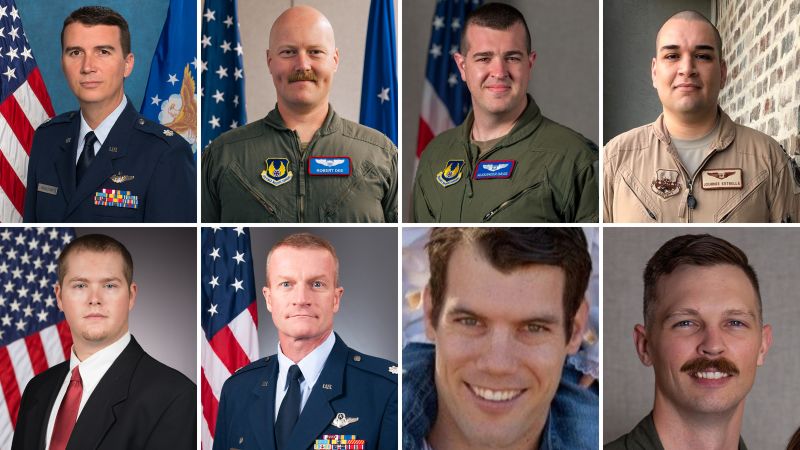
Tragedy at Edwards Air Force Base: B-52 Crash Claims Lives of Airmen and Contractors
An engineer marking his wedding anniversary – On Monday, June 17, 2026, a catastrophic B-52 Stratofortress crash in Southern California left eight individuals dead, including military personnel, government contractors, and Boeing employees. The incident occurred shortly after the aircraft took off from Edwards Air Force Base, a renowned desert testing ground located approximately 100 miles northeast of Los Angeles. The crash, which marked the deadliest B-52 incident since 1982, has shaken the community and raised questions about the safety of the aging bomber fleet.
A Routine Mission Gone Wrong
The B-52, a colossal military plane, departed from Edwards Air Force Base at 11:20 a.m. as part of a standard test flight. These missions, designed to evaluate the aircraft’s performance and reliability, are typically low-risk. However, the crash disrupted that pattern, leaving a profound impact on the families of the victims and the broader Air Force network. The plane was carrying a crew of eight, though its usual complement is five, indicating additional personnel were aboard for the specific mission.
Among the victims was Christopher Rischar, a flight test engineer employed by defense contractor JT4. His death was a significant blow to the program aimed at modernizing the B-52 fleet. Another casualty was retired Lt. Col. Miles Middleton, who worked for Boeing. Col. Gregory Watson, a 53-year-old Air Force reservist, was also on Boeing’s payroll at the time of the accident, underscoring the close ties between the military and private contractors in maintaining the aircraft’s operational readiness.
Memories and Quotes from the Affected
“These Airmen were more than coworkers. They were friends, mentors, teammates and valued members of our Edwards and Air Force family,” said Col. Thomas Tauer, commander of the 412th Test Wing, in a statement shared by the Air Force. His words echoed the sentiments of many who knew the victims, highlighting the personal connections that extend beyond professional duties.
Boeing also expressed its grief, stating, “The loss of Miles and Greg is deeply felt across our teams, and our hearts remain with their families, loved ones and those who worked with them.” The company’s acknowledgment underscores the collaborative nature of the B-52 program, which relies on both military personnel and civilian engineers to ensure the aircraft remains a vital part of the U.S. military’s strategic capabilities.
The Life of Jeromy Smith and His Family
Jeromy Smith, a civilian flight test engineer for the Department of Defense, was remembered not only for his professional contributions but also for his personal life. Smith, who had been at Edwards Air Force Base for a decade, was a devoted father to two young children—his 2-year-old daughter and a 4-month-old son. His wife, Lauren Smith, shared with CNN affiliate KBAK/KBFX that her husband had been preparing for his fourth wedding anniversary just days before the crash. “He’s a hero. He is someone that people look up to, and just an all-around amazing person,” she said, reflecting on the life he lived and the legacy he left behind.
The crash not only claimed Smith’s life but also disrupted the personal milestones he and his family were celebrating. The timing of the tragedy, coinciding with his anniversary, added a layer of poignancy to the event. His wife’s emotional tribute emphasized the blend of professional and personal ties that define the lives of those working at Edwards, where the airfield serves as both a workplace and a home for many.
Historical Context of B-52 Accidents
This incident is the most severe B-52 crash since 1982, when nine crew members were killed during a test training exercise at Mather Air Force Base near Sacramento. The 2008 crash, which resulted in six fatalities, occurred when a bomber crashed into the Pacific Ocean off the coast of Guam. These earlier accidents serve as a reminder of the risks associated with operating these large, long-range bombers, which have been in service since the 1950s.
Despite their age, the B-52s remain a cornerstone of the U.S. military’s strategic airpower. Their continued use highlights the importance of modernization efforts, which were the focus of the recent mission. The crash has prompted renewed scrutiny of these programs and the safety protocols in place. While the exact cause of the accident remains under investigation, the incident has reignited discussions about the balance between operational necessity and risk management in military aviation.
A Legacy of Service and Sacrifice
Among the victims were two officers: Col. Gregory Watson and Lt. Col. Gabriel Estrella, both of whom were active in their careers. Majors Alexander Davis, Robert Dee, and Brad Hovey, as well as retired Lt. Col. Miles Middleton, also lost their lives. The crash has left a lasting mark on the military community, with colleagues and families coming together to honor the fallen. “He died doing what he loved,” Lauren Smith said, capturing the essence of the sacrifices made by those who serve in these roles.
The Air Force has since released the names of all eight victims, ensuring their stories are preserved and shared. Each individual’s contribution to the mission and their personal lives adds to the depth of the tragedy. For example, Middleton’s work at Boeing was critical to the modernization project, while Rischar’s role as a flight test engineer ensured the aircraft met the highest standards of performance. These roles, though different, were equally vital to the success of the mission.
The crash has prompted a deeper examination of the roles played by both military and civilian personnel in maintaining the B-52’s operational status. As the Air Force and Boeing collaborate to ensure the safety of future flights, the memory of those lost will remain a central part of the narrative. Col. Tauer’s statement, delivered to workers and families at the base, encapsulated the unity and shared responsibility that defines these teams. “Our hearts remain with their families,” he said, as the community mourns and seeks to understand the circumstances that led to the crash.
As the investigation continues, the focus remains on the human cost of the accident. The lives of the eight individuals lost in the crash serve as a poignant reminder of the sacrifices made in service of national security. Their dedication to their roles, whether as reservists, engineers, or contractors, reflects the broader commitment to the mission. The crash has not only affected their families but also the entire Edwards Air Force Base, which has been a hub for aerospace innovation and testing for decades.
CNN’s Davis Winkie and Holly Yan contributed to this report, ensuring the details of the incident are accurately conveyed. The story of the B-52 crash will be remembered not just for the loss of life, but for the resilience and determination of those who continue to honor the fallen. As the military and Boeing move forward, they carry with them the legacy of the eight individuals whose lives were cut short in a moment of tragedy.
