
Americans are feeling a little better about the economy as gas prices ease
Americans are feeling a little better about the economy as gas prices ease
Americans are feeling a little better – Recent economic data released on Friday suggests a subtle shift in American consumer confidence, following a period of persistent pessimism. The University of Michigan’s latest survey indicates that sentiment has edged upward, with the final reading of 49.5 surpassing the previous month’s 48.9. This marks the first positive movement since February, when the US-Israeli conflict with Iran triggered a sharp rise in global energy costs. While the overall trend remains cautious, the slight improvement signals that consumers are beginning to perceive a modest stabilization in the economic landscape.
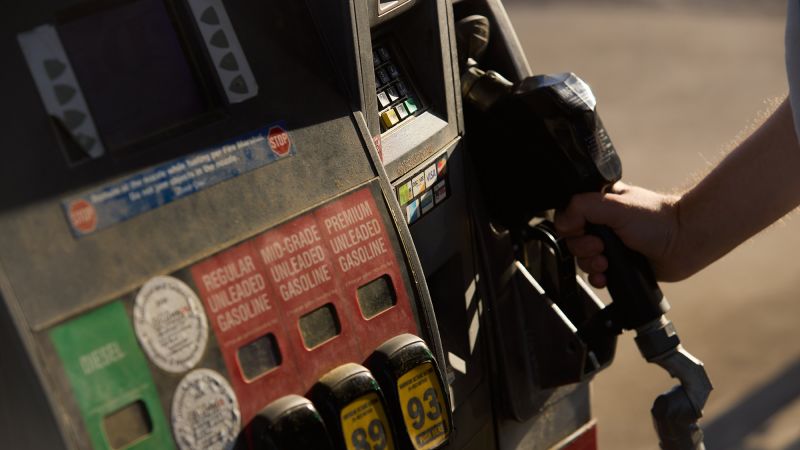
Gas prices had previously cast a long shadow over consumer spending, as they climbed to near-historic levels in response to the Middle East conflict. The disruption of the Strait of Hormuz, a critical oil transportation route, sent shockwaves through energy markets, forcing households to redirect significant portions of their income toward fuel. This surge in costs led to two consecutive months of record-low consumer sentiment, underscoring the financial strain caused by the crisis. Now, as fuel prices have begun to decline, there are signs that this burden is easing, contributing to a modest recovery in public mood.
Consumer confidence has been a key indicator of economic health, and the University of Michigan’s findings highlight the delicate balance between optimism and anxiety. Despite the recent rebound, the survey reveals that Americans are still largely cautious about the broader economic outlook. The 13% drop in sentiment since February highlights the lingering effects of the Middle East conflict, which continues to influence perceptions of inflation and affordability. Even as fuel prices retreat, other factors such as rising food costs and wage stagnation remain pressing concerns for households.
Experts suggest that the improvement in sentiment is not a dramatic turnaround but a gradual shift. The easing of gas prices has provided temporary relief, allowing consumers to allocate more funds to discretionary spending. However, this does not erase the long-term impact of the energy crisis, which has reshaped spending habits and heightened economic uncertainty. The survey also notes that consumers are still struggling to adapt to higher living costs, with many expressing frustration over the persistent pressure on their budgets.
The University of Michigan’s analysis underscores the complexity of consumer behavior in the current climate. While the immediate effects of the Middle East conflict are receding, its shadow lingers on economic sentiment. The initial increase in confidence in February was a fleeting moment of optimism, followed by a steep decline as global energy prices surged. The latest reading, though a small gain, reflects a broader pattern of cautious improvement rather than a full recovery. This suggests that consumers are gradually adjusting to the new economic reality, but the path to sustained optimism remains uncertain.
Joanne Hsu, the University of Michigan surveys director, highlighted the ongoing challenges facing consumers. “For the third straight month, over half of consumers spontaneously mentioned that high prices are weighing down their personal finances,” she said. This statement emphasizes that while gas prices have eased, the broader economic pressures are still evident. Consumers continue to grapple with the consequences of inflation, which has eroded purchasing power and created a sense of economic fragility. The survey also points to a growing divide between those who can afford rising costs and those who are forced to cut back on essential expenses.
The recent decline in fuel prices is a welcome development, but it has not fully restored confidence. Americans are still more pessimistic about the economy compared to pre-war conditions, as the conflict’s aftermath continues to affect global markets. The stabilization of oil prices, while positive, has not yet translated into widespread optimism. Instead, it has created a mixed picture, where some aspects of the economy are showing signs of resilience, while others remain volatile.
Analysts note that the recovery in consumer sentiment is a gradual process, influenced by multiple factors beyond just fuel costs. While lower gas prices have provided immediate relief, other elements such as employment trends, interest rates, and housing affordability are also shaping public perception. The survey’s data, though modest, offers a glimmer of hope that the economic downturn may be leveling off. However, the 13% drop since February serves as a reminder of the depth of the challenges faced by consumers, and the need for sustained improvements in key economic indicators.
As the situation evolves, the focus will remain on whether the current trends will solidify into a more robust recovery. The easing of gas prices is a positive step, but it will take time for the full impact to be felt. Consumers are still prioritizing essential expenses, with many cutting back on non-essential spending to cope with rising costs. This behavior, while understandable, may continue to dampen overall economic activity. The University of Michigan’s survey, therefore, is a valuable tool in understanding the shifting dynamics of consumer confidence and its implications for the broader economy.
Ultimately, the data suggests that Americans are cautiously optimistic, but not fully reassured. The rebound in sentiment is a sign that the economy is not in free fall, but it also indicates that the challenges are far from over. As the ceasefire in the Middle East holds, the next few months will be crucial in determining whether this optimism translates into sustained growth. The survey’s findings, combined with ongoing economic reports, will provide a clearer picture of the path forward for American consumers and the economy as a whole.
