
A psychiatric defense may be Luigi Mangione’s best argument in state murder trial, experts say. Here’s why
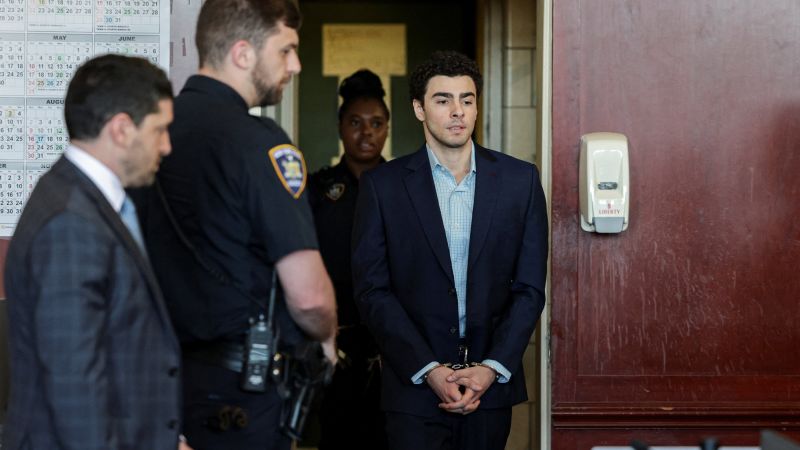
Psychiatric Defense Key in Luigi Mangione’s State Murder Trial, Experts Say
A psychiatric defense may be Luigi – Luigi Mangione, the suspect in the December 2024 killing of UnitedHealthcare CEO Brian Thompson, may rely on a psychiatric defense to navigate his state trial. Legal analysts argue that this strategy could be his most effective way to justify the crime as a result of mental instability rather than intentional malice. As the trial unfolds in September, his attorneys are weighing the potential of this approach against the weight of the evidence presented by prosecutors.
“The case provides a compelling opportunity for a mental health defense,” said Karen Friedman Agnifilo, a former Manhattan District Attorney and CNN legal analyst. “Luigi Mangione’s actions could be explained by a shift in his psychological state, especially given his prior writings and the abrupt change in his online behavior.” She added that the defense would need to demonstrate how his mental condition directly influenced the murder, a challenge but one with significant potential.
Mangione’s arrest on December 14, 2024, sparked nationwide attention. His quick apprehension following a high-profile manhunt and the severity of the charges against him—murder and weapons violations—have led to intense debate about his mental state. Agnifilo, who is representing Mangione, has been tasked with building a narrative that links the CEO’s assassination to a psychological breakdown, rather than premeditated intent.
Behavioral Shifts and Systemic Grievances
Mohandie, a forensic psychologist with decades of experience in criminal cases, highlighted Mangione’s documented behavioral changes as a critical element of the defense. “Luigi Mangione’s actions suggest a dramatic transformation in his mindset,” he noted. This shift, according to Mohandie, could be used to argue that the murder was not a calculated act but a result of deep-seated frustration with the healthcare system he had long criticized.
The evidence supporting the psychiatric defense includes Mangione’s writings expressing anger toward UnitedHealthcare, which he believed had exploited patients and employees. These documents, along with his sudden withdrawal from social media and a missing persons report filed by his mother, are central to the argument that his mental health deteriorated significantly before the attack. However, prosecutors will likely emphasize the coldness of the crime, pointing to the precise nature of the shooting and the weapon found in Mangione’s possession.
“A psychiatric defense could help jurors understand the emotional turmoil behind the act,” Mohandie explained. “It might transform the narrative from a predatory crime to a tragic moment of internal conflict.” While the defense faces challenges in proving the connection between Mangione’s mental state and the killing, the emotional appeal could resonate with a jury, especially if his background as a valedictorian and family member is presented as context for his actions.
The strategy hinges on presenting a coherent story of Mangione’s mental decline, which some experts believe is feasible. Legal analysts suggest that the defense could also leverage public sentiment, as many view his actions as a response to systemic issues in the healthcare industry. This alignment between personal grievance and broader societal concerns may strengthen the case for a psychiatric defense.
Public reactions to the trial have been divided, with some celebrating Mangione’s defiance and others condemning his crime. Supporters have raised over $1.5 million to fund his legal defense, arguing that his motive reflects a broader discontent with corporate healthcare. Meanwhile, law enforcement officials and prosecutors have emphasized the gravity of the offense, noting that the psychiatric defense must not only explain Mangione’s actions but also establish that he was incapable of understanding the consequences of his crime at the time.
As the trial progresses, the psychiatric defense’s success will depend on the evidence presented and the jury’s perception of Mangione’s mental state. While the prosecution has already introduced key documents, the defense will need to build a compelling case that ties these elements to a disorder, such as paranoid schizophrenia or depression, which could mitigate his accountability. This balancing act between accountability and mitigation will shape the trial’s outcome in a historic case that has captured public imagination.
