
The Seine used to be a toxic mess. Now it’s the hottest new swim spot in Paris
The Seine used to be a toxic mess. Now it’s the hottest new swim spot in Paris
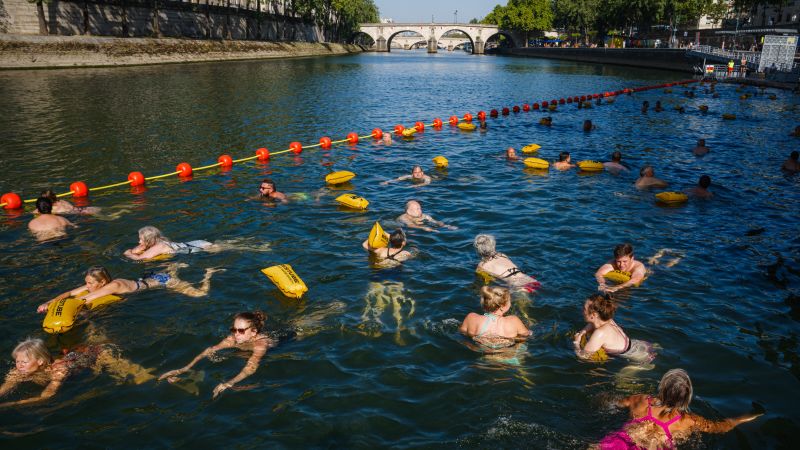
The Seine used to be a toxic – Parisians and visitors are embracing a summer trend that’s reshaping the city’s cultural landscape: swimming in the Seine. As the city grapples with its sweltering heat this year, three newly opened river pools along the banks have become a lifeline for those seeking relief. With temperatures exceeding 104 degrees Fahrenheit in late June and a third heatwave looming, the timing of these aquatic havens couldn’t be more ideal. This summer marks the second consecutive year the Seine has been deemed safe for recreational swimming, turning the river into a symbol of Parisian resilience and transformation.
A Legacy of Public Bathing
Though the practice of river swimming may seem like a modern phenomenon, it has deep roots in Parisian history. The tradition began in the 17th century, when the Seine served as a natural playground for the city’s elite. Citizens would wade into the water nude, a habit that sparked controversy and led to a ban in 1716. Critics argued that the activity undermined societal norms, but this didn’t deter enthusiasts. By the 18th century, the ban had given way to floating baths—canvas-covered vessels anchored to the river where swimmers descended via ladders to bathe in the current. These makeshift pools became a popular way to cool off, blending leisure with the urban rhythm of Paris.
The 19th century saw the Seine evolve from a casual spot to a grand social event. Bathing was no longer just a quick refreshment; it became a fashionable activity, often paired with dining and classes. Establishments like the Piscine Deligny, a historic swimming venue, emerged as hubs of activity, eventually hosting events for the 1900 Paris Olympics. However, the golden era of river swimming began to wane as the 20th century progressed.
The Rise and Fall of a Tradition
A series of tragic incidents, including drownings and collisions with river traffic, prompted the French government to impose a total ban on swimming in the Seine in 1923. This decision effectively halted the tradition, but it didn’t erase the city’s connection to the water. The Piscine Deligny adapted, transforming into a floating pool that filtered water separately from the river. Despite the ban, informal bathing persisted, particularly during sweltering summers. A long-distance race, first held in 1905, continued to draw participants regardless of official objections, symbolizing the stubbornness of the tradition.
Yet, the true demise of the Seine as a swimming destination came not from rules, but from pollution. By the 1970s, the river had become a stark representation of industrial neglect, with over half of the region’s wastewater dumped untreated into its waters. The ecosystem collapsed, and by 1970, the Seine was biologically dead, supporting only three hardy fish species. The river’s decline was so severe that even the Paris triathlon was forced to cancel in 2013 due to unsafe water conditions.
A New Era of Clean Water
The revival of the Seine as a swimming spot is the result of decades of environmental effort. In the 1980s, a political promise to restore the river’s health began to take shape. Paris Mayor Jacques Chirac, then running for reelection, vowed in 1988 to swim in the Seine as a public demonstration of its cleanliness. He repeated the pledge on television in 1990, but the promise remained unfulfilled, becoming a lingering joke in Parisian culture. The city’s relationship with the river shifted again in 2016, when Mayor Anne Hidalgo revived the idea ahead of the 2024 Olympic bid. This time, the transformation required a massive engineering project, costing over a billion euros and connecting thousands of homes to a modern sewer system for the first time.
The centerpiece of this overhaul is the Austerlitz basin, a cavernous underground structure near Gare d’Austerlitz. This colossal concrete cylinder, 50 meters wide and 30 meters deep, is supported by deep-set pillars and can hold 50,000 cubic meters of water—equivalent to 20 Olympic-sized pools. The basin was designed to capture stormwater that previously mixed with untreated sewage in Paris’ 19th-century sewer system. Heavy rains would once send this contaminated overflow directly into the Seine, but now it’s diverted into the basin, where it’s stored and treated. This innovation has drastically improved water quality, making the river a viable spot for swimming and other activities.
From Cesspit to Cultural Icon
For American visitors, the Seine’s recent revival offers a unique way to celebrate the 4th of July. “If you’re in Paris this summer, there’s no more quintessentially Parisian experience than a dip in the Seine,” said a local swimmer who moved to the city decades ago. The river’s transformation has sparked a renewed sense of pride among residents, with many viewing the swim spots as a tribute to the city’s enduring spirit. The timing of the seasonal opening also coincides with the 250th anniversary of Franco-American friendship, adding a symbolic layer to the event.
While the Seine’s return to the water is a triumph, it also highlights the challenges of environmental recovery. For years, the river’s toxic state was a daily reality, with pollutants threatening both wildlife and human health. The shift from a flowing urban cesspit to a sparkling swimming destination is a testament to the power of sustained investment and innovation. As the city continues to monitor water quality, the Seine stands as a symbol of progress, blending history with modernity in a way that captivates both locals and tourists alike.
A Personal Connection
“She had a vision of herself living in Paris. Now this American woman calls it home.”
This quote from an American resident encapsulates the personal significance of the Seine’s revival. For many, the river is more than a waterway—it’s a cultural touchstone. The transformation from a polluted nuisance to a recreational gem reflects not just environmental change, but a shift in how Parisians and visitors perceive their city. As the summer heat intensifies, the Seine’s new role as a swim spot is proving to be a welcome addition to Paris’ storied history.
With the seasonal openings, the Seine is no longer just a backdrop for the city’s landmarks. It’s become a living, breathing part of the Parisian experience. Whether it’s the thrill of a swim in the open water or the nostalgia of a tradition reborn, the river’s revival offers a unique blend of past and present. As the city looks to the future, the Seine’s success may inspire other urban waterways to reclaim their place in the cultural fabric of the communities they serve.
