
The American city where almost everyone seems to be writing a book
The Literary Pulse of Iowa City: A Creative Haven in the Heartland
The American city where almost everyone – Nestled in the heart of Iowa, the city of Iowa City has become an unexpected epicenter for American literature. Known for its vibrant literary scene, the town is often described as a place where the air hums with creative energy. This reputation isn’t just a passing trend—it’s rooted in decades of nurturing writers, a legacy that continues to shape the cultural landscape today. While the city’s relaxed Midwestern vibe might seem at odds with its literary prominence, the stories and talent that flow from its streets are undeniable.
A Gathering of Words: Prairie Lights Books
At Prairie Lights Books, the atmosphere during a recent reading event revealed the town’s unique blend of academia and community. Upstairs, tables and shelves were cleared to make way for a gathering of young readers, who sat on plastic chairs with anticipation. As the PA system played “Lucky” by Britney Spears, the crowd’s energy shifted from casual to focused. The emcee’s comment about the author being introduced by a DJ rather than a traditional host underscored the unconventional charm of the space. When Candice Wuehle, a local novelist, stepped to the mic, her performance of “Ultranatural”—a tale of a pop star’s rise and fall—drew rapt attention. Her vivid descriptions of the “nerves and teen sweat” of auditions painted a picture of the intense pressures that fuel artistic ambition. The exchange with Camila Urioste, another author, and the subsequent Q&A session highlighted how Prairie Lights isn’t just a bookstore; it’s a living incubator for literary voices.
“Pretty much everyone in this town is working on a book of some sort or other, and you can feel it,” says Nialle Sylvan, owner of the Haunted Bookshop, a secondhand volume haven north of downtown. Despite its name, the shop is free of ghosts, but home to a ginger cat named Escalus. Sylvan’s words capture the essence of Iowa City, where the act of writing feels as natural as breathing.
The city’s literary allure is amplified by its deep ties to the University of Iowa. Celebrating its 90th anniversary this year, the university’s creative writing program has long been a cornerstone of American literature. Established in 1936, it was the first of its kind in the nation, a pioneering initiative that set the stage for generations of writers. Today, the Iowa Writers’ Workshop is synonymous with literary excellence, attracting aspiring authors from across the country. Alumni and faculty members like Kurt Vonnegut, Curtis Sittenfeld, Philip Roth, Raymond Carver, and Flannery O’Connor have cemented the city’s place in literary history. The steady stream of Pulitzer Prizes and National Book Awards further underscores its status as a breeding ground for storytelling brilliance.
From Farm Land to Creative Hub: The Transformation of Iowa City
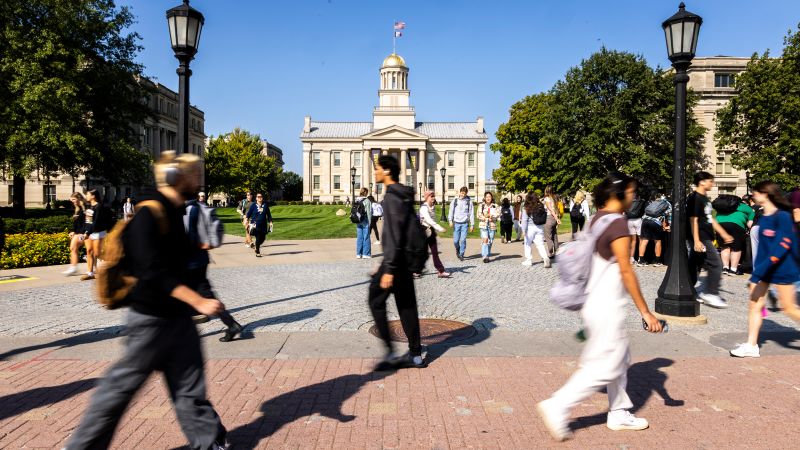
Before Des Moines became the state capital in 1857, Iowa City was the political and cultural nucleus of the state. Its domed capitol building, a symbol of its former prominence, now stands alongside a university that has grown into one of the nation’s premier institutions. While the campus is celebrated for its law and medical programs, its arts and literature initiatives have carved out a distinct identity. The city’s reputation as a literary haven is not accidental—it’s a product of intentional cultivation. The university’s presence ensures that students and faculty alike contribute to the ongoing narrative, turning Iowa City into a microcosm of creative ferment.
For many, the city’s charm lies in its ability to balance tradition with innovation. Jordan Sellergen, who now runs Little Village—a monthly publication distilling Iowa City’s culture into print—remembered being drawn to the town from Cedar Rapids as a child. “We came here to hang out, smoke, buy hippy clothes, and watch gigs at Gabe’s,” she recalls. The venue, still alive with music, once hosted Nirvana before their global breakthrough. Sellergen’s perspective highlights how Iowa City’s easygoing spirit has evolved alongside its intellectual rigor. “There’s this vibrant community here that punches up,” she notes. “The way we present ourselves can seem conservative—small-town politeness is ingrained—but we’re also very progressive. It’s a mix that fuels creativity.”
Living in the Story: The Daily Rhythm of a Book-Filled City
Walk the streets of Iowa City, and you’ll find books in every corner. The Ped Mall, a grid of pedestrian-friendly shopping and nightlife, is a testament to the city’s integration of culture and commerce. Even the central district feels like an extension of the university, with students and professors weaving through the same sidewalks, their conversations often punctuated by references to literary works or creative projects. This seamless blend of academic and everyday life creates an environment where writing is not just a profession but a way of being.
Local anecdotes reinforce this culture. Nialle Sylvan’s observation about a taxi driver with “ink-stained fingers” hints at the pervasive presence of books in daily routines. From coffee shops to park benches, the act of writing seems to be a shared pastime. The Haunted Bookshop, for instance, isn’t merely a place to buy used books—it’s a gathering point for those seeking inspiration. Its shelves hold stories of all kinds, from classic novels to zines and experimental poetry, reflecting the city’s diverse literary interests.
Yet Iowa City’s literary edge is not just about quantity—it’s about quality. The UNESCO designation as America’s first City of Literature in 2008 was a recognition of this unique ecosystem. While the publishing industry thrives in New York or Los Angeles, Iowa City offers a different kind of creative nourishment. Its quiet, agrarian surroundings—surrounded by Amish communities and open fields—provide a backdrop that feels both timeless and dynamic. This contrast between rural simplicity and urban ambition is what makes the city stand out. As Sellergen puts it, “It’s like the ideas here have a gravity of their own. They pull people in, even if they’re not looking for it.”
Writing Beyond the Classroom: A Community of Aspiring Voices
What sets Iowa City apart is its community-driven approach to writing. At Prairie Lights, the audience for Wuehle’s reading was a mix of students, locals, and visitors, all united by a shared enthusiasm for the craft. Their questions ranged from the mechanics of character development to the emotional toll of fame, revealing a deep curiosity about the process. This collaborative spirit is a hallmark of the city, where writers and readers engage in a constant dialogue. The result is a culture that values storytelling not as a solitary pursuit but as a collective endeavor.
The university’s influence extends beyond its walls. Its creative writing program attracts a steady influx of students, many of whom leave with not just degrees but careers that span genres and mediums. The program’s reputation as a launchpad for literary stars has made it a magnet for talent, yet the city itself is not a place that feels elitist. Instead, it’s a community that embraces both high art and grassroots creativity. The very essence of Iowa City is its ability to cultivate writers in a setting that feels as much like a small town as it does a modern literary capital.
As the city celebrates its literary legacy, it also looks to the future. The energy of the students, the enthusiasm of the locals, and the presence of established authors all contribute to an atmosphere of continuous growth. Whether it’s the quarterly readings at Prairie Lights, the creative happenings in the Ped Mall, or the quiet dedication of a taxi driver with a pen in his pocket, Iowa City’s story is one of persistence and passion. It’s a place where the act of writing is not just a skill but a way of life, and where the magic of literature lives on in every corner. So, while it may seem an unlikely spot for such a concentration of creative talent, the city’s literary heartbeat is as steady as the Hawkeyes’ mascot, a testament to the power of place and purpose.
