
Everlane shoppers come unraveled over sale to Shein
Everlane Shoppers Face Uncertainty After Sale to Shein
Everlane shoppers come unraveled over sale – Everlane, a brand once celebrated for its straightforward pricing and ethical manufacturing practices, is now at the center of a growing backlash. The news of its sale to Shein, a fast-fashion powerhouse, has left customers grappling with the possibility that the company’s core values may be compromised. For years, Everlane positioned itself as a pioneer in sustainable fashion, offering affordable essentials that aligned with eco-conscious consumerism. But the acquisition, finalized in a $100 million deal, has raised eyebrows among its loyal following, who fear the brand’s commitment to transparency and sustainability could be diluted.
Financial Pressures Prompt Strategic Shift
The transaction, which was reported by Puck’s Lauren Sherman, was primarily driven by the need to resolve Everlane’s $90 million in accumulated debt. While the exact terms of the sale remained undisclosed, CEO Alfred Chang assured stakeholders that the brand would retain its independence and continue to prioritize its sustainability mission. “Everlane will remain an independent brand,” Chang stated in a recent press release, emphasizing that the company’s dedication to “radical transparency” and ethical production would not waver despite the expanded global reach under Shein’s umbrella.
Rising Fears of Quality and Values Drift
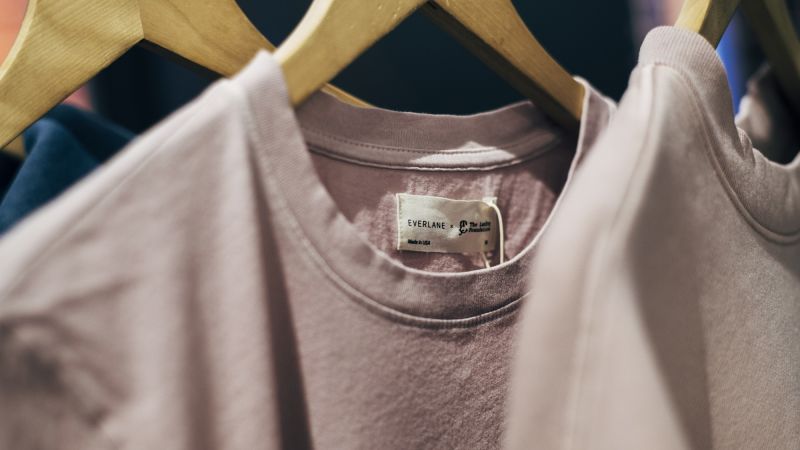
Before Chang’s announcement, customers were already speculating about the implications of the sale. Social media posts, such as one from writer Sophie Vershbow, highlighted anxieties over product quality. “Cool cool need to go buy 46 white t-shirts before the formula changes,” Vershbow wrote on X. The post, which seemed to suggest a sense of urgency, sparked debates about whether Everlane’s signature basics would still meet the standards customers had come to expect. Some even joked about the discrepancy between the number of t-shirts mentioned and the visual evidence of only three in the screenshot, underscoring the emotional weight of the situation.
Industry Critics Warn of a Contradiction
Experts in the fashion sector have voiced concerns about the compatibility of the two brands. “This was a brand founded on ethical consumption, which is the complete opposite of what Shein stands for,” said Shawn Grain Carter, an associate professor at the Fashion Institute of Technology. Carter, who specializes in sustainable style, pointed out that fast fashion typically relies on low-cost labor, mass production, and minimal attention to environmental impact. “Fast fashion is the antithesis of sustainability,” he added. “It’s cheap labor, it’s produced at any cost, and rarely is it done in an ethical supply chain. So to have an acquisition by a company that goes directly against the core values of your core customer is problematic in many ways.”
Everlane’s Ethical Blueprint and Consumer Appeal
Everlane’s rise was fueled by its unique approach to transparency, which set it apart from competitors. Since launching in 2010, the brand broke down pricing and production costs, making it easy for customers to trace the origins of its garments. This model resonated with shoppers who sought affordable, well-made essentials without the guilt of overconsumption. Its boxy T-shirts and durable jeans became staples of a generation of consumers who valued practicality and sustainability in their daily wardrobes. For many, Everlane represented a middle ground between trendy fashion and conscious consumption.
From T-Shirts to a Diverse Product Line
Everlane’s journey began with a simple proposition: affordable, unpretentious basics. The brand’s initial launch, which included a modest selection of T-shirts, was met with overwhelming demand. According to the Strategist, Everlane’s first T-shirt collection was so popular that it sold out quickly, with more than 60,000 potential customers on a waitlist. The company’s success allowed it to expand into other categories, such as cashmere sweaters, non-stretch jeans, leather flats, and backpacks. These items earned praise from major fashion publications like Vogue, New York, and the New York Times, solidifying Everlane’s reputation as a versatile and reliable choice for everyday wear.
Consumer Sentiment and the Emotional Toll
For some, the sale feels like a betrayal. Madeleine Alizadeh, a fashion writer and co-founder of the sustainable brand DariaDeh, described the news as a “betrayal” of Everlane’s founding principles. “It almost feels personal, that this is how it ends,” she said, reflecting on the brand’s role in making ethical fashion accessible. Similarly, Kirstie Wang, a small business owner from the Bay Area, expressed her disappointment through an Instagram reel. “I think I just really looked up to them, and half my closet is Everlane,” she said in the video. “How did they swing the pendulum so far that they’re able to sell to the radical opposite of what they stood for?”
Comparing Everlane and Shein: A Clash of Values
The acquisition has also reignited discussions about the environmental and labor practices of both brands. While Everlane has been recognized for its sustainability efforts, the watchdog group Good on You awarded it a “good” rating, reflecting its holistic approach to labor standards, waste reduction, and material sourcing. In contrast, Shein has long been criticized for its reliance on cheap labor and fast production cycles, often at the expense of quality and worker safety. “Everlane’s transparency was a defining feature,” said Alizadeh. “Consumers didn’t need to spend a few thousand dollars or plan a hiking trip to wear it—they could just buy a T-shirt without guilt.”
Legacy and Challenges in the Fashion Industry
Everlane’s impact on the fashion landscape cannot be overstated. In its early days, it challenged the notion that ethical clothing had to be pricier, positioning itself as a bridge between affordable basics and sustainability. Its strategy of selling exclusively online helped maintain lean operations, allowing it to focus on its core mission. Yet, even as it grew, the brand faced scrutiny. Critics noted that its transparency efforts sometimes wavered, particularly when convenience and cost became priorities. Despite these moments
