
A rare collection of Chinese cheongsams tells a story of personal style and cultural connection in 20th-century America
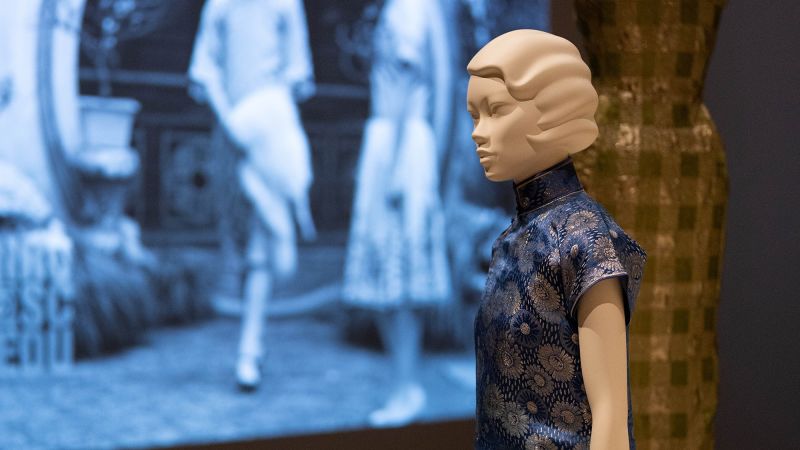
Rare Chinese Cheongsam Collection Explores 20th-Century American Style
From Shanghai to Fresno: A Journey of Fashion and Identity
A rare collection of Chinese cheongsams offers a vivid narrative of personal style and cultural connection in 20th-century America. Susan Mah’s wardrobe, filled with these distinctive garments, reflects her journey from Guangdong province to California, where she embraced a unique blend of Eastern heritage and Western influences. The collection highlights how these dresses became more than just clothing—they were expressions of identity, creativity, and resilience in a new land.
Susan Mah, a first-generation Chinese immigrant, left Hong Kong in 1938 during the Japanese invasion, bringing her personal wardrobe with her. Unlike many who adapted to Western fashion quickly, Susan chose to preserve her cultural roots while innovating. Her daughter-in-law, Chere Lai Mah, 78, has spent decades curating these pieces, uncovering their significance through family stories and historical context. “In Fresno, Susan wanted to showcase her spirit through bold designs,” Lai Mah explains, noting how the collection bridges two worlds.
Among the standout items in the rare collection of Chinese cheongsams is a lime-green cheongsam inspired by Mayan patterns. This garment, with its Mandarin collar and tailored fit, symbolizes Susan’s confidence in expressing her identity through fashion. “She crafted dozens of these dresses, each with a distinct personality,” Lai Mah says. The Mayan revival designs, along with other eclectic styles, reveal how Susan redefined traditional attire for her American life.
Preservation and Legacy: A Bridge Between Cultures
The exhibition, titled “Fashioning Chinese Women: Empire to Modernity,” features over 70 cheongsams from Susan’s collection, along with pieces from Lai Mah’s own mother, Li Zhang Huifang. These garments, preserved with care, provide a rare glimpse into the lives of Chinese women during a period of immense social change. “This collection documents an era of transformation,” guest curator Michaela Hansen observes. “It captures how women navigated between tradition and modernity after the Qing dynasty’s collapse in 1912.”
Lai Mah’s donation to LACMA in 2022 was instrumental in bringing this story to light. While many fashion exhibitions focus on iconic styles like Qing court attire or contemporary designers, this rare collection of Chinese cheongsams centers on the everyday fashion of women who straddled two cultures. “The provenance of these garments is what makes them exceptional,” Hansen adds. “Lai Mah not only contributed the pieces but also the rich narratives behind them, including personal stories and symbolic meanings.”
One of the most striking items in the collection is a turquoise cheongsam gifted to Lai Mah in 1971. “It was charming and cozy,” Lai Mah recalls. “But I used it as inspiration for my sculptures at UC Berkeley.” The garment’s gold-threaded motifs on silk brocade illustrate Susan’s ability to merge Eastern and Western aesthetics. “She also gave her other daughters-in-law pieces, like a fur coat, which one transformed into a lap blanket,” Lai Mah notes. “This shared legacy is why the cheongsams hold such meaning for me.”
A Living Archive: From Tailor to Curator
Susan’s cheongsams were not merely functional; they were a testament to her evolving tastes and collaborations with tailors. “Each dress was custom-made, reflecting the wearer’s individuality,” Lai Mah emphasizes. The rare collection of Chinese cheongsams showcases how Susan’s style transitioned from modest beginnings to bold, confident expressions in her new American environment. “The garments survived due to the Bay Area’s climate,” Lai Mah adds, highlighting their preservation as a legacy.
The LACMA exhibition goes beyond fashion, celebrating cultural resilience and connection. Susan’s cheongsams, with their hybrid designs, represent a unique chapter in 20th-century American history. “These dresses were a means of creative expression,” Lai Mah says. “They told stories about her life, her values, and her love for color and pattern.” The Mayan-inspired cheongsam, in particular, captures how Susan reimagined traditional silhouettes with an American flair.
