
Sorsby looks to NFL after legal fight with NCAA over his eligibility for gambling
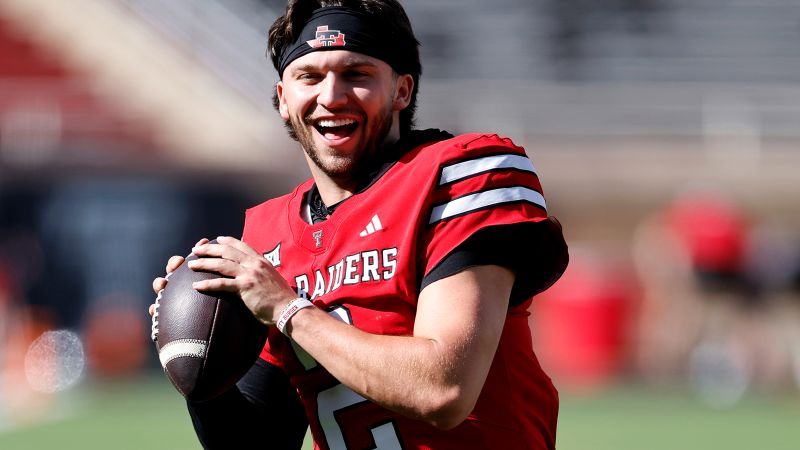
Sorsby Looks to NFL After Legal Battle with NCAA Over Eligibility for Gambling
Sorsby looks to NFL after legal – Brendan Sorsby, a transfer quarterback from Texas Tech, has decided to forgo playing for the team this fall and instead enter the NFL supplemental draft. This move concludes a protracted legal conflict with the NCAA regarding his eligibility, which had been challenged due to his past acknowledgment of betting on college and professional sports, including games involving his own squad during his time at Indiana four years ago. The decision marks the end of a significant dispute that has tested the boundaries of college athletics regulations.
The Deadline and a Strategic Exit
As the June 22nd deadline for NFL supplemental draft eligibility approaches, Sorsby’s choice to leave the team was finalized just one week prior. Cody Campbell, the billionaire booster and chairman of the school regents, issued an open letter stating that the decision was reached in consultation with Sorsby and his family. “This decision stems from a practical analysis of the situation,” Campbell explained. “Brendan and Texas Tech hold strong, legitimate legal positions, but the June 22nd deadline creates a critical window. There’s no feasible way to resolve all pending legal disputes and guarantee his eligibility before that date. This is the most fair and viable path for Brendan’s future, as well as for his teammates and the university.”
Sorsby, who hadn’t played a single game for the defending Big 12 champion Red Raiders during the current season, had transferred to Texas Tech in January as part of a reported multimillion-dollar deal. His previous two seasons at Cincinnati, another Big 12 school, were followed by this move, which has now been formalized with the NCAA’s approval. Campbell emphasized that Texas Tech will not seek the return of any payments already made to Sorsby through his NIL (Name, Image, Likeness) agreements, signaling the university’s commitment to supporting his decision.
Legal Filings and the Injunction
Just days before Sorsby’s final decision, the NCAA and Big 12 Conference launched separate legal actions in different courts. The NCAA filed a request to pause a temporary injunction that had allowed Sorsby to play this season, even though he was initially deemed ineligible for gambling. The Big 12, meanwhile, pursued a federal lawsuit in Dallas, seeking a court order to affirm its authority to impose sanctions on Texas Tech if Sorsby remained on the field.
These filings intensified the legal battle over whether Sorsby could participate in the upcoming season. The NCAA argued that the temporary injunction granted by a Lubbock County court on June 8 had gone beyond Texas law, effectively allowing Sorsby to bypass the organization’s rules. The injunction, issued by Judge Ken Curry, ensured that the NCAA couldn’t block his eligibility for what would be his final college season with a team positioned as a contender to win the Big 12 and return to the College Football Playoff for the second consecutive year.
“The trial court’s temporary injunction sweeps beyond anything Texas law permits,” wrote the NCAA’s attorneys. “It undermines the integrity of college sports, rewrites member-adopted rules of the National Collegiate Athletic Association, immunizes Brendan Sorsby from discipline for admitted and serial violations of NCAA anti-gambling rules, incentivizes a run on courthouses across the country to challenge even the most obvious and straightforward student-athlete eligibility decisions, and demolishes the status quo.”
The NCAA had previously sought a resolution by August 28, aiming to avoid potential disruptions to the Texas Tech season, which begins on September 5. The trial, scheduled for February, will occur well after the season ends, leaving the university to navigate the consequences of the legal dispute without immediate game-day impact.
Implications for College Sports
Sorsby’s case has sparked broader discussions about the NCAA’s stance on gambling and its impact on student-athletes. While the NCAA has long banned players from wagering on games, Texas Tech asserted that Sorsby’s mental health and well-being would benefit from continuing his college career. The university’s position highlights a growing tension between strict rule enforcement and the practical needs of athletes.
The Big 12’s lawsuit also brought attention to the role of the Texas attorney general’s office. Last week, the state’s legal team warned the conference that it could take action against Texas Tech for any sanctions imposed on the school. This warning added another layer of complexity to the case, as the Big 12 sought to assert its authority over eligibility decisions.
With Sorsby’s departure, the NCAA and Big 12 are left to address the legal and reputational fallout. The case has already raised questions about the fairness of the current system, with critics arguing that the NCAA’s rigid rules may unfairly penalize athletes who acknowledge their past mistakes. For Sorsby, the move to the NFL offers a fresh start, though it also underscores the challenges faced by student-athletes in balancing personal actions with professional ambitions.
As the legal battle concludes, the focus shifts to the broader implications for college sports. The NCAA’s decision to allow Sorsby’s participation in the supplemental draft reflects a pragmatic approach to resolving a high-stakes issue. However, it also signals a potential shift in how the organization handles eligibility disputes, particularly for players with documented gambling histories. The case may serve as a precedent, influencing future decisions about the intersection of personal conduct and collegiate athletics.
With the NFL’s supplemental draft now open, Sorsby’s journey from the college gridiron to professional football marks a pivotal moment in the evolving landscape of college sports. The legal showdown, which involved multiple courts, has highlighted the complexities of regulating student-athlete behavior in an era of NIL deals and increased financial stakes. For Texas Tech, the decision to let Sorsby leave without legal contention could help preserve the team’s momentum heading into the season. For the NCAA, the outcome may prompt a reevaluation of its policies, ensuring they remain both effective and equitable in the face of modern challenges.
