
How Lionel Messi and Argentina sent the World Cup into a state of sporting nirvana
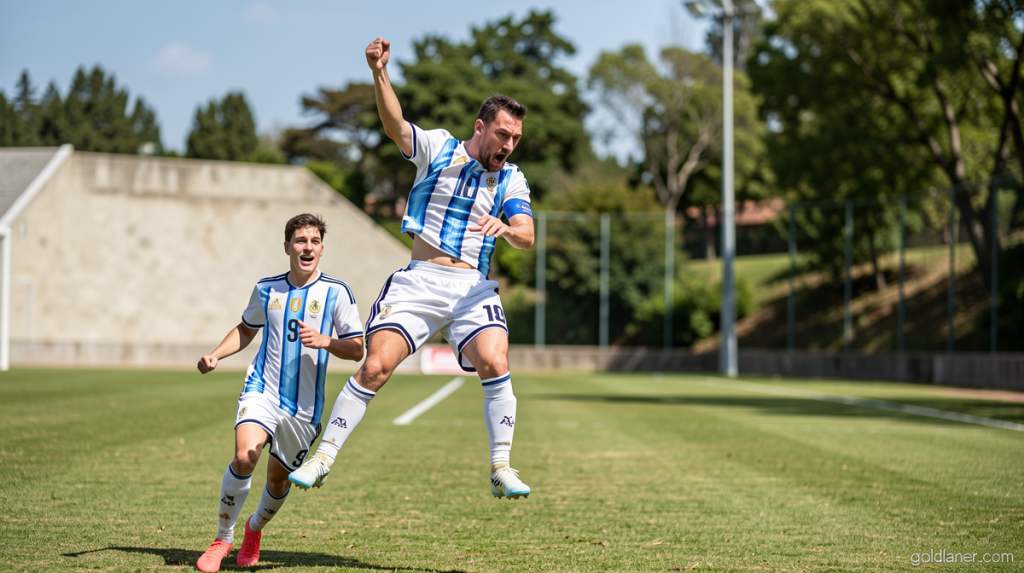
A Night of Magic: Argentina’s Epic Comeback Captivates Atlanta
How Lionel Messi and Argentina sent – There are certain instants in life that slip away unnoticed, leaving us with a lingering sense that we should have appreciated them more. Yet occasionally, we encounter moments so extraordinary that we recognize their significance even as they unfold. These are the occasions when time seems to pause, allowing us to absorb the magnitude of what we’re witnessing. For the vast crowd exceeding 68,000 spectators gathered at Mercedez-Benz Stadium in Atlanta on Tuesday evening, such an experience materialized when Lautaro Martínez received the ball on the right flank of Argentina’s offensive push.
What followed was nothing short of cinematic. The striker paused, assessed the situation, and delivered a cross that seemed to hang in the air forever. The ball drifted gracefully toward the penalty area, clearing Egypt’s Yasser Ibrahim before finding Enzo Fernández. There was ample time for spectators to register what was happening, to whisper to themselves that this was indeed a goal. Fernández connected perfectly, directing a header that sent the stadium into absolute pandemonium.
The Turning Point
This spectacular strike completed Argentina’s remarkable three-goal surge within just thirteen minutes, securing their passage to the quarterfinals with a 3-2 victory over the Egyptian Pharaohs. The result came after two days of speculation that the tournament might be overshadowed by controversy surrounding US President Donald Trump’s telephone conversation with FIFA President Gianni Infantino regarding Folarin Balogun’s red card incident.
Instead, Egypt and Argentina delivered exactly what football fans crave: an underdog story combined with championship pedigree. For those fortunate enough to witness it firsthand, the experience will remain etched in memory permanently. We were privileged to observe history being written in real-time.
Expectations vs. Reality
Before kickoff, Argentina appeared destined for an easy victory. The Albiceleste’s formidable squad represents potential back-to-back World Cup champions, an achievement rarely accomplished in modern football history. Egypt possessed Mohamed Salah, their transcendent talent, though he had moved slightly past his absolute peak years. However, as Cape Verde demonstrated to Argentina just the previous week, World Cup victories depend on courage and seizing crucial moments rather than theoretical superiority.
The Egyptians arrived prepared for battle. Rather than yielding to the defending champions, they matched Argentina’s intensity from the opening whistle. Yasser Ibrahim capitalized on this momentum, rising above the Argentine defense to head home what proved to be the opening goal. Egyptian supporters in attendance erupted with pure joy, removing their shirts and celebrating wildly as their team displayed remarkable composure.
Shobeir’s Heroics and Controversy
Just minutes later, fortune seemed to favor Egypt once more. Lionel Messi’s penalty attempt was brilliantly saved by goalkeeper Mohamed Shobeir, who subsequently performed with the confidence of a man destined for greatness. Shobeir produced save after save, constructing an impenetrable barrier between the ball and his net while Argentina appeared increasingly frustrated.
Egyptian fans occupying the 300-level sections, though outnumbered by their Argentine counterparts, displayed considerable courage in taunting the larger crowd behind them. The match’s most contentious moment arrived during the 55th minute when Mostafa Ziko appeared to extend Egypt’s advantage to 2-0. As celebrations commenced, referee François Letexier consulted the Video Assistant Referee screen regarding a potential foul in the build-up play.
Letexier ultimately disallowed Ziko’s goal for an infraction that had occurred approximately 18 seconds before the apparent strike. Following the match, Egypt’s manager Hossan Hassan and Ziko himself expressed strong dissatisfaction with Letexier’s performance. Additional controversy included unpenalized hard tackles, questionable soft calls against Egypt, and inconsistent officiating throughout the encounter.
The Inevitable Comeback
Ziko would eventually confirm his goal, capitalizing on a counterattack to establish what seemed like an insurmountable 2-0 lead. Even with Egypt’s grievances regarding the referee, a stunning upset appeared imminent. Yet any team featuring Lionel Messi remains perpetually dangerous. Observing Argentina’s legendary number ten is akin to watching a maestro conducting an orchestra. His movement dictates Argentina’s positioning—when he advances in one direction, play shifts accordingly, but when he accelerates, the ball invariably follows.
He orchestrates passes for his teammates, reading the game with extraordinary precision. This mastery, combined with the collective determination of his squad, ensured that Argentina would not surrender their dream of another World Cup title. The stage was set for one of the tournament’s most memorable chapters.
