
France and Morocco’s intense rivalry gets the World Cup quarterfinals started with a bang
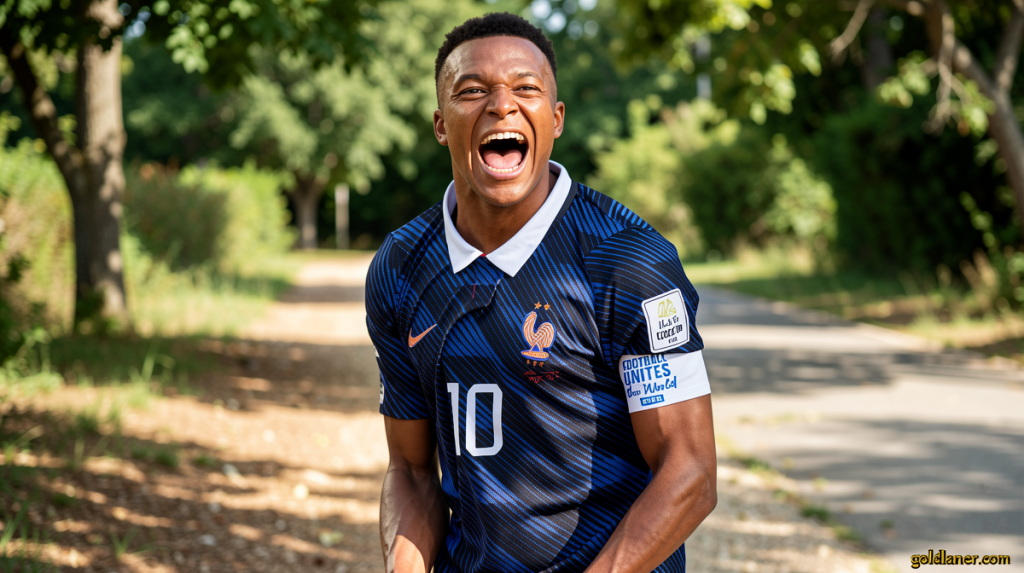
World Cup Quarterfinals Kick Off With France and Morocco Showdown
France and Morocco s intense rivalry takes center stage as the World Cup quarterfinals begin. After a brief pause in tournament action, these two nations meet in Foxborough for a clash steeped in history. This is more than a sporting contest—it is a collision of cultures with colonial ties stretching back generations. The French and Moroccan sides carry expectations that extend far beyond the ninety minutes on the pitch.
A Rivalry Forged in Time
Morocco arrives as the underdog, but dismissing the Atlas Lions would be a mistake. The team has shown remarkable resilience, overcoming the Netherlands in a penalty shootout and dispatching Canada 3-0 in the Round of 16. Such results suggest Morocco possesses both mental fortitude and tactical flexibility to challenge any opponent.
France, meanwhile, enters as the tournament favorite, loaded with world-class talent and aiming for their third consecutive final. Manager Didier Deschamps has not taken the Moroccan challenge lightly, recognizing the threat posed by a team that excels on the counterattack.
“We met them four years ago in the semifinal. They also played in the African final. It is a really great, excellent team with top-notch individuals. They’re not here to play. They’re there to win,” Deschamps said. “We have to be ready.”
Settling Old Scores
The France and Morocco s intense rivalry carries additional weight given Morocco’s experience at the previous World Cup in Qatar. France ended the Atlas Lions’ fairytale campaign with a 2-0 semifinal victory, a result that Moroccan players and supporters have carried with them. However, this is no longer a team content merely to participate in the latter stages of major tournaments. Morocco has evolved into a squad that genuinely believes in its potential to conquer the tournament.
“I don’t like this feeling where we can say what we’ve done up until now is great and rest is bonus,” Morocco boss Mohamed Ouahbi said before today’s match. “No, the only bonus is to win the World Cup.”
Beyond the Pitch
The fixture carries cultural dimensions that transcend football. France’s colonial history in North Africa has created a substantial Moroccan diaspora across Europe. This demographic reality means that Morocco’s squad features numerous players born outside their adopted nation, with six French-born players potentially lining up for the Atlas Lions today. These athletes have chosen to represent Morocco out of pride for their heritage.
Cynics occasionally suggest that some diaspora players selected Morocco because they failed to break into stronger national teams like France or Spain. While such claims often lack substance, they provide additional fuel for the rivalry when these two nations collide on the pitch.
Refereeing Controversies Emerge
Meanwhile, officiating decisions have dominated headlines throughout the tournament. FIFA Chief Refereeing Officer Pierluigi Collina has found himself defending his officials against mounting criticism. Yesterday, Egypt argued that their match against Argentina was manipulated to benefit Lionel Messi and his teammates, following a series of questionable VAR decisions.
“We are not influenced by anyone,” Collina stated, responding to the growing controversy.
Former US president Donald Trump also entered the debate earlier this week, describing the official who issued a red card to American striker Folarin Balogun as “suspect.” These accumulating accusations have placed Collina and his team under intense scrutiny as they strive to maintain consistency and fairness throughout the competition.
As the World Cup progresses, the France and Morocco s intense rivalry promises to deliver not only compelling football but also a narrative rich with history, identity, and sporting drama.
