
US military surveillance blimp supporting CBP is lost at the southern border, wreckage found in Mexico
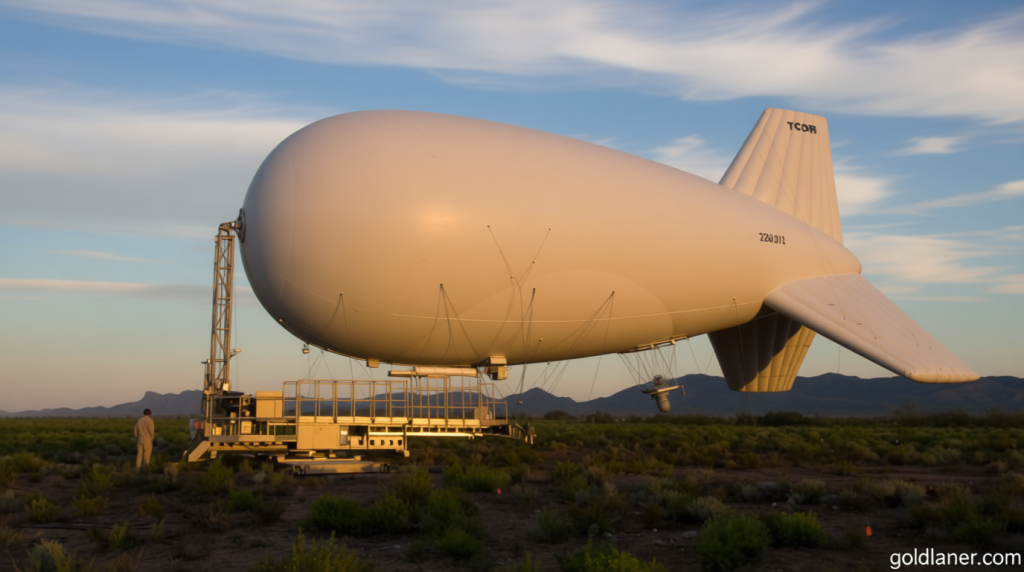
US Military Surveillance Blimp Supporting CBP Lost in Mexico
US military surveillance blimp supporting CBP is – A US military surveillance blimp supporting Customs and Border Protection (CBP) has gone missing after breaking free from its tether during severe weather. The incident occurred near Laredo, Texas, on Monday evening, with the unmanned aircraft drifting into Mexican territory and landing in a remote location southwest of the border. The National Weather Service reported wind gusts exceeding 44 mph at the time, contributing to the detachment. While no ground personnel were injured, the loss highlights the challenges of operating aerial surveillance systems in volatile conditions.
Technical Details and Cause
The blimp, classified as a “medium aerostat” by the Joint Task Force-Southern Border, was part of a broader effort to bolster CBP’s border monitoring capabilities. According to officials, the tether cable became entangled with other lines during intense thunderstorms, preventing operators from securing the device. The helium-filled balloon then floated away, eventually crashing in Mexico. The wreckage, discovered in a difficult-to-reach area, underscores the logistical complexities of maintaining such systems, particularly in extreme weather scenarios.
“During the storm, the blimp’s tether became snagged, and high winds caused it to drift into Mexico,” explained a Joint Task Force spokesperson. “This was a technical failure, not a deliberate action, and we are investigating the root cause.”
Contractor Role and Program Challenges
CBP relies on Pentagon contractors to manage its aerial surveillance fleet, including the lost blimp. These contractors operate advanced technology like high-powered cameras and radar systems to track drug trafficking routes and monitor unauthorized aircraft. Despite the program’s critical role in border security, funding has been inconsistent, forcing reliance on external support. The recent incident serves as a reminder of the vulnerabilities inherent in deploying such equipment in unpredictable environments.
Operators attempted to resolve the cable tangle, but the blimp’s detachment marked a significant setback. The Joint Task Force noted that the incident was not an isolated occurrence, as similar failures have been reported earlier this year. A 200-foot aerostat from South Padre Island, Texas, had previously broken free, traveling nearly 600 miles before crashing near Dallas. This pattern suggests that the US military surveillance blimp supporting CBP faces ongoing reliability issues.
Historical Context and Budget Allocation
Border Patrol’s use of tactical blimps dates back to 2012, when the program was launched to modernize surveillance operations. The Department of Defense has historically funded these initiatives, allocating over $5 billion during the Iraq and Afghanistan wars to develop more than 140 aerostats. While these assets were initially deployed for military purposes, they have since been repurposed to support CBP’s security objectives. The current deployment reflects a continued partnership between defense agencies and border enforcement.
Despite these investments, the program has faced challenges in maintaining consistent operations. The loss of the blimp has prompted discussions about the need for improved maintenance protocols and coordination between US and Mexican authorities. The US military surveillance blimp supporting CBP remains a key component of the southern border’s monitoring strategy, though its effectiveness in adverse weather is now under scrutiny.
International Collaboration and Recovery
Mexican and US forces have joined forces to locate and recover the wreckage. The remote crash site, located in a rugged area of northern Mexico, complicates retrieval efforts. Officials emphasized that the collaboration between the two nations is essential to ensure the continuity of border security operations, even in the face of technical malfunctions. The incident also highlights the importance of cross-border communication and coordination, particularly for unmanned systems operating near the border.
The US military surveillance blimp supporting CBP’s mission has become a symbol of the integration between military and civilian border enforcement. While the loss is a concern, it has not disrupted the broader network of surveillance assets. The Joint Task Force is reviewing the incident to determine whether modifications are needed for future deployments. The agency’s spokesperson reiterated that the blimp was part of a planned strategy to enhance monitoring capabilities along the US-Mexico border.
