
Trump invokes law to increase weapons production after Iran war depleted US stocks
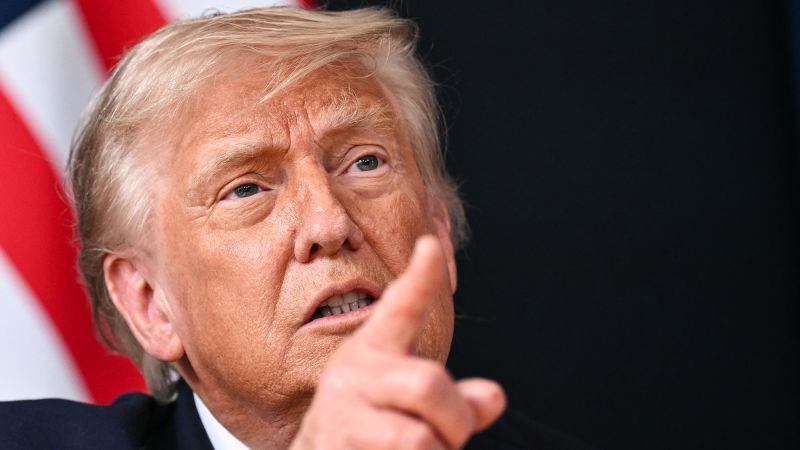
Trump Activates Defense Production Act to Boost Weapon Manufacturing Amid Stockpile Depletion
Trump invokes law to increase weapons – President Donald Trump has taken decisive action by activating the Defense Production Act, a Cold War-era tool, to compel defense contractors to accelerate the production of weapons following the Iran conflict’s strain on U.S. military supplies. The measure, signed last week, asserts that “conditions exist which may pose a direct threat to the national defense or its preparedness programs.” This declaration underscores growing apprehension within the administration about the capacity of the U.S. industrial base to meet the demands of ongoing global engagements.
Key Concerns Highlighted in the Executive Order
The document, addressed to Defense Secretary Pete Hegseth, outlines systemic challenges in the munitions sector. These include constrained manufacturing capabilities, vulnerable supply chains, and prolonged lead times for critical components, all of which could hinder the availability of essential weapons systems. “The United States must sustain and expand its arsenal of munitions, missiles, and equipment,” the order emphasizes, reflecting a strategic push to ensure readiness amid escalating threats.
“Systemic constraints in the munitions industrial base, including limited production capacity, fragile supply chains, long-lead dependencies, and related production bottlenecks, may impair the ability of the United States to produce, sustain, and expand the availability of munitions, missiles, and equipment required for the national defense,” the document states.
Experts and officials have noted that the war with Iran, alongside hostilities in Gaza and Ukraine, significantly accelerated the consumption of U.S. armaments. These conflicts, which saw the deployment of billions in military aid, have exposed vulnerabilities in the nation’s stockpile management. Trump’s order signals a shift from public assurances to proactive measures, as Pentagon officials previously maintained that supplies were sufficient for global operations.
Trump’s Public Remarks and Pentagon’s Divergent Stance
During a speech at the G7 summit in France, Trump described the final days of the Iran war as “brutal,” citing the use of “$200 million worth of bombs” and expressing concern over the financial toll. “It is expensive too, aside from everything else,” he remarked, highlighting the economic strain of prolonged military campaigns. However, Hegseth, the defense secretary, countered this narrative publicly, stating that there was “not a crisis” with U.S. weapons stockpiles and dismissing the media’s portrayal as “a manufactured story.”
Behind the scenes, the Pentagon has acknowledged a more pressing reality. According to a recent analysis by the Center for Strategic and International Studies, U.S. forces depleted at least 45% of their Precision Strike Missile stockpile and roughly half of Patriot and THAAD missile reserves during the conflict. These figures suggest that while public statements emphasized stability, internal assessments revealed a critical need for replenishment. “The high munitions expenditures have created a window of increased vulnerability in the western Pacific,” noted Mark Cancian, a retired U.S. Marine Corps Colonel and co-author of the CSIS report, adding that recovery would take one to four years, with further expansion requiring additional time.
Historical Context of the Defense Production Act
The Defense Production Act, enacted in the 1950s, grants the president broad authority to prioritize national defense needs. It allows for the imposition of contracts on private companies, incentives for critical material production, and the establishment of agreements to expedite resource allocation. While the law has been invoked in various crises, its use in the current context marks a notable escalation in its application.
Trump is not the first leader to leverage the DPA. During his first term, he utilized it to bolster ventilator production during the pandemic, and later to promote domestic mineral extraction. President Joe Biden also activated the law to advance clean energy initiatives, demonstrating its versatility across different sectors. The new order, however, focuses on military logistics, aiming to address immediate shortages in a post-war environment.
Strategic Implications and Industry Reactions
By invoking the DPA, Trump has shifted the focus from reactive planning to aggressive production targets. The order mandates that Hegseth “provide for the making of voluntary agreements and plans of action” to support defense efforts, emphasizing collaboration between the government and private sector. One section of the Act cited by the administration calls for the creation of an advisory committee, potentially signaling a long-term strategy to streamline defense procurement.
Industry leaders have reacted with a mix of compliance and caution. While some companies may welcome the government’s backing to secure contracts, others worry about the pressure to prioritize military needs over civilian projects. The Trump administration’s emphasis on expediting deliveries has been a recurring theme, with a January directive threatening to limit stock buybacks and executive compensation unless production goals were met. This approach mirrors the current strategy, reinforcing a pattern of leveraging economic levers to ensure military readiness.
Long-Term Challenges in Replenishing Stockpiles
The urgency of the current move is tied to the long-term challenges of replenishing depleted reserves. With the Iran war’s impact still lingering, analysts warn that restoring pre-conflict levels of weaponry will require sustained industrial output. “The pace of production must increase dramatically to meet future demands,” said a defense industry analyst, noting that the current rate may not be sufficient to address emerging threats.
Trump’s invocation of the DPA also reflects a broader concern about the U.S. military’s ability to maintain global dominance. The combination of prolonged conflicts and rapid technological advancements has placed the defense sector under unprecedented pressure. As the administration pushes for immediate action, the question remains: will this measure ensure long-term resilience, or is it a temporary fix for a deeper structural issue?
In the wake of the order, the Pentagon has remained silent, directing inquiries to the White House. This quiet response contrasts with the public debate over the necessity of the move, as some argue that the law’s activation is a necessary step to safeguard national security, while others question its effectiveness in addressing systemic challenges. Regardless of the outcome, Trump’s decision underscores the administration’s commitment to prioritizing military preparedness in an era of complex global threats.
As the U.S. defense industry navigates this new directive, the focus will shift to whether it can adapt to the demands of rapid production. The success of the initiative will depend on the cooperation of manufacturers, the stability of supply chains, and the ability to scale up output without compromising quality. With the nation’s stockpiles still recovering from the Iran conflict, the Defense Production Act may serve as a critical tool in ensuring the United States remains a formidable military power in the years ahead.
