
The true test of Trump’s Iran agreement will come only if the fighting stops
The True Test of Trump’s Iran Agreement Will Come Only If the Fighting Stops
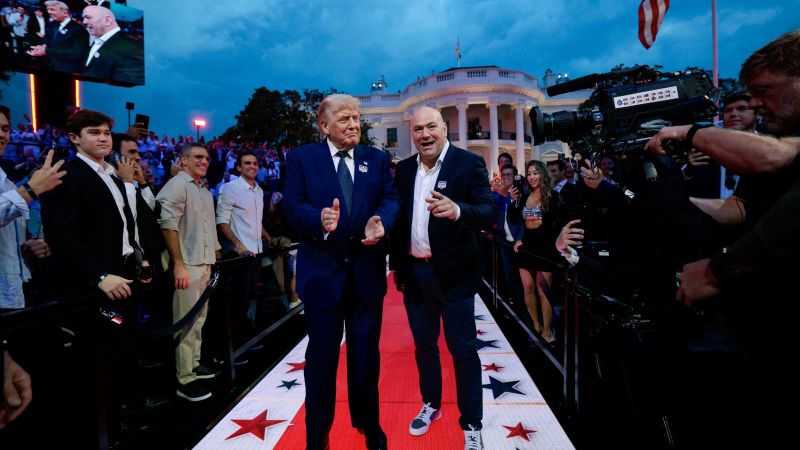
The true test of Trump s Iran – On the occasion of President Donald Trump’s 80th birthday, the White House hosted an event that combined ceremonial pomp with a dramatic display of political maneuvering. Amidst the backdrop of thunderous skies, the festivities included a series of mixed martial arts matches that symbolized Trump’s approach to conflict resolution—swift, decisive, and often overwhelming. The president, however, quickly shifted focus to a major diplomatic development: a memorandum of understanding aimed at ending the ongoing war with Iran. This agreement, announced during the event, was framed as a breakthrough, though its real impact would depend on whether the fighting in the region could be halted.
Terms of the Agreement
The memo, set to take effect following a formal signing in Switzerland on Friday, outlines a temporary pause in hostilities lasting 60 days. Its core provisions include the release of Iran’s grip on the Strait of Hormuz, a vital maritime passage for global oil trade, and the lifting of the US naval blockade that had disrupted shipping routes. These measures are intended to ease the economic strain caused by the war, which had already triggered a global energy crisis and exacerbated inflationary pressures. However, the agreement leaves critical questions unanswered, particularly regarding Iran’s nuclear ambitions.
“What the president has really set us to do is to certainly eliminate the nuclear threat of Iran. That’s done,” said Vice President JD Vance, emphasizing the memo’s significance. His remarks, made during an appearance on Monday, underscore the administration’s confidence in the deal’s ability to secure Iran’s compliance with nuclear restrictions.
Yet, the memo’s success hinges on Iran’s adherence to its commitments. While the document assures that the country will not produce, acquire, or buy a nuclear weapon, this pledge is not without controversy. Iran has consistently argued that its nuclear program is defensive in nature, and the new agreement’s assurances may not fully address concerns about its long-term intentions. The US, in turn, must now navigate the challenge of ensuring Iran’s compliance without immediate enforcement mechanisms in place.
Strategic Implications and Unresolved Questions
The war, which has already claimed 13 American service members and an estimated number of Iranian civilians, has had far-reaching consequences. It has destabilized the Middle East, reignited regional tensions, and contributed to global economic turmoil. For the agreement to be a lasting solution, it must not only halt the immediate fighting but also address the root cause: Iran’s nuclear program. Three pressing questions now define the agreement’s potential success:
► Will the reopening of the Strait of Hormuz and the removal of the naval blockade merely restore the status quo, given that Iran’s nuclear ambitions remain unaddressed? ► Has Trump made progress toward a nuclear deal that surpasses the Obama-era accord, which Iran has been complying with until its recent termination? ► And fundamentally, did the war—a majority of Americans opposed—achieve meaningful results or simply deepen the perception of American overreach in the region?
These questions carry significant weight, as the agreement’s fate will influence the strategic balance of the Middle East for years to come. The memo’s effectiveness also depends on how Iran will leverage its regained influence over the strait in the future. With the ability to disrupt oil shipments, Iran could potentially use this power to negotiate better terms or assert dominance in regional affairs. Meanwhile, the US faces the challenge of balancing its military presence with diplomatic efforts.
Global Hopes and Regional Concerns
The announcement has sparked optimism that the energy crisis, driven by Iran’s actions, may begin to ease. For consumers grappling with rising fuel prices, the resumption of uninterrupted shipping routes could offer relief. However, this optimism is tempered by the realities of the conflict’s toll. The war has not only strained global markets but also deepened divisions between nations. Lebanon, in particular, has found itself entangled in the crossfire, with its political landscape further destabilized by the ongoing crisis.
Inside Iran, the war’s aftermath may shift public sentiment. If the conflict subsides, the regime could either emerge weakened or reinforced by its survival. The success of the agreement will also depend on whether it leads to a more stable political environment or sets the stage for renewed hostilities. Trump’s rhetoric, which often positioned him as a savior of American interests, has already been used to frame the memo as a victory. But the real test lies in the agreement’s ability to withstand scrutiny and translate into lasting peace.
The war’s legacy is another factor. For decades, US presidents have sought to contain Iran’s nuclear program, with varying degrees of success. Trump’s approach, characterized by its aggressive use of military force and economic pressure, has been both praised and criticized. If the memo proves durable, it could validate his strategy as a way to resolve a standoff that has persisted for nearly 50 years. But if the terms falter, the outcome may reflect a different narrative—one of strategic miscalculation and renewed geopolitical conflict.
Historically, the US has struggled to maintain a consistent policy toward Iran. The Obama administration’s nuclear deal, which Iran has largely honored, now faces challenges under Trump’s more assertive stance. The new memo, while a step forward, does not fully resolve the nuclear issue. Instead, it defers the critical decision to future negotiations, where tensions are expected to run high. The agreement’s credibility, as Vance noted, rests on Iran’s willingness to uphold its promises, a challenge that may prove difficult.
Looking ahead, the memo’s long-term implications could reshape the region’s dynamics. If Iran continues to use its control over the strait as a bargaining tool, it may gain leverage in future talks with the US and its allies. Conversely, if the agreement leads to a reduction in hostilities, it could foster a more cooperative environment. However, the failure of US and Israeli forces to eliminate the Iranian regime after the assassination of Supreme Leader Ali Khamenei suggests that the conflict may not be easily resolved. The memo’s success will depend on whether it can prevent the resurgence of tensions that could once again lead to war.
For Trump, the agreement represents a potential turning point in his presidency. It offers an opportunity to showcase his leadership in diplomacy, even as the war’s human and economic costs linger. The president’s declaration on social media that he had “made peace with Iran”—a claim he framed as a personal triumph—aligns with his broader narrative of restoring American power and influence. Yet, the true measure of his success will come not from the signing of the memo, but from its ability to endure and transform the region’s future.
As the 60-day pause begins, the world watches closely. The Middle East’s stability, the global economy’s recovery, and the perception of American strength all hang in the balance. Whether this agreement marks a decisive victory or a temporary truce will depend on the choices made in the weeks and months to come. For now, the promise of peace remains a beacon, but its realization may require more than just a symbolic document.
