
The president’s Trump Accounts didn’t initially plan for foster kids — until the first lady’s office stepped in
Trump Accounts: How the President’s Initiative Helped Foster Kids
The president s Trump Accounts didn – When President Donald Trump launched the Trump Accounts program in early 2026, it was initially framed as a retirement savings tool aimed at helping families build financial security. However, the initiative’s design excluded foster children from its early rollout, raising concerns among child welfare advocates. This oversight left a vulnerable population without access to the benefits, prompting a swift response from the First Lady’s office. The focus keyword, “The president s Trump Accounts,” became a central topic as its eligibility rules were reevaluated to ensure foster youth could benefit.
First Lady’s Role in Expanding the Program
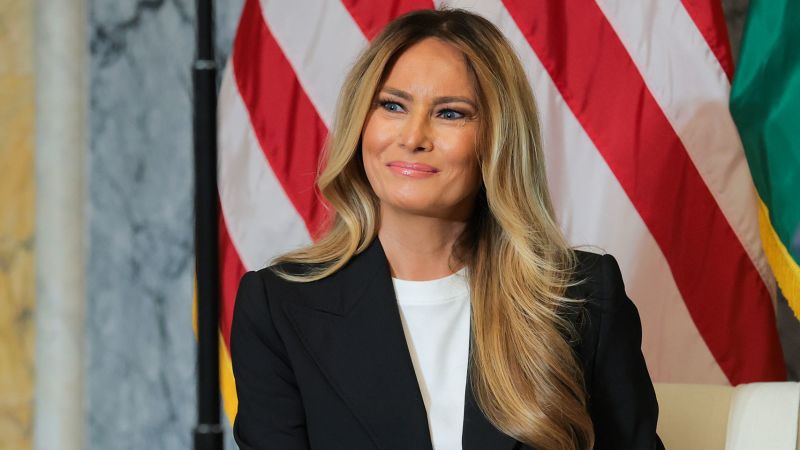
Melania Trump, who has increasingly leveraged her platform to champion children’s welfare, played a pivotal role in addressing this gap. During her second term, the First Lady prioritized initiatives supporting marginalized groups, including foster care recipients. Advocates like Sixto Cancel of Think of Us brought the issue to her attention, leading to a collaborative effort between the White House, state agencies, and the Treasury Department. “The president s Trump Accounts were modified to include foster youth,” Cancel stated, underscoring the program’s adaptability to real-world challenges.
The revised program, now known as “Fostering the Future Accounts,” was introduced to ensure children in foster care could access the financial resources. Key changes included allowing state child welfare representatives to open accounts on behalf of minors without a stable legal guardian. This adjustment reflects a broader recognition of how foster youth often face instability, and how the Trump Accounts could serve as a critical lifeline. “The president s Trump Accounts now provide a pathway to independence for these children,” said Bessent, emphasizing the initiative’s expanded scope.
Federal and State Contributions to the Initiative
Eligibility for the revised Trump Accounts now includes any U.S. citizen with a valid Social Security number, ensuring foster youth qualify regardless of their legal status. For children born between 2025 and 2028, the federal government will contribute a one-time $1,000 payment. This support is optional, as parents or foster parents can also designate a child as their “qualifying child” to access funds. “The president s Trump Accounts offer flexibility, aligning with the complexities of foster placements,” Bessent explained during the announcement.
States have the authority to allocate additional funds from programs like Temporary Assistance for Needy Families (TANF) into these accounts, providing further support to foster youth. This decentralized approach allows local governments to tailor the initiative to their specific needs. When children reach 18, they can access the accumulated funds, marking a crucial step toward financial independence. “The president s Trump Accounts symbolize a commitment to long-term stability,” noted the First Lady, highlighting the program’s symbolic and practical value.
Impact and Challenges Ahead
With 23 Republican-led states already participating, the program has gained momentum. However, advocates continue to push for broader adoption, as more states are needed to maximize its reach. The Trump Accounts aim to address the stark realities of foster care: over 400,000 children are in the system, and many face homelessness or unemployment by age 24. “The president s Trump Accounts are a step toward breaking cycles of poverty,” Cancel remarked, citing the program’s potential to change lives.
While the initiative is a positive development, challenges remain. Ensuring consistent implementation across states and maintaining funding for the program will be critical to its success. The First Lady’s office has also emphasized the importance of education and outreach to families and child welfare agencies. “The president s Trump Accounts require clear communication to be effective,” Bessent added, noting that public awareness is key to their long-term impact. As the program rolls out, its ability to support foster youth will depend on continued collaboration and adaptability.
